
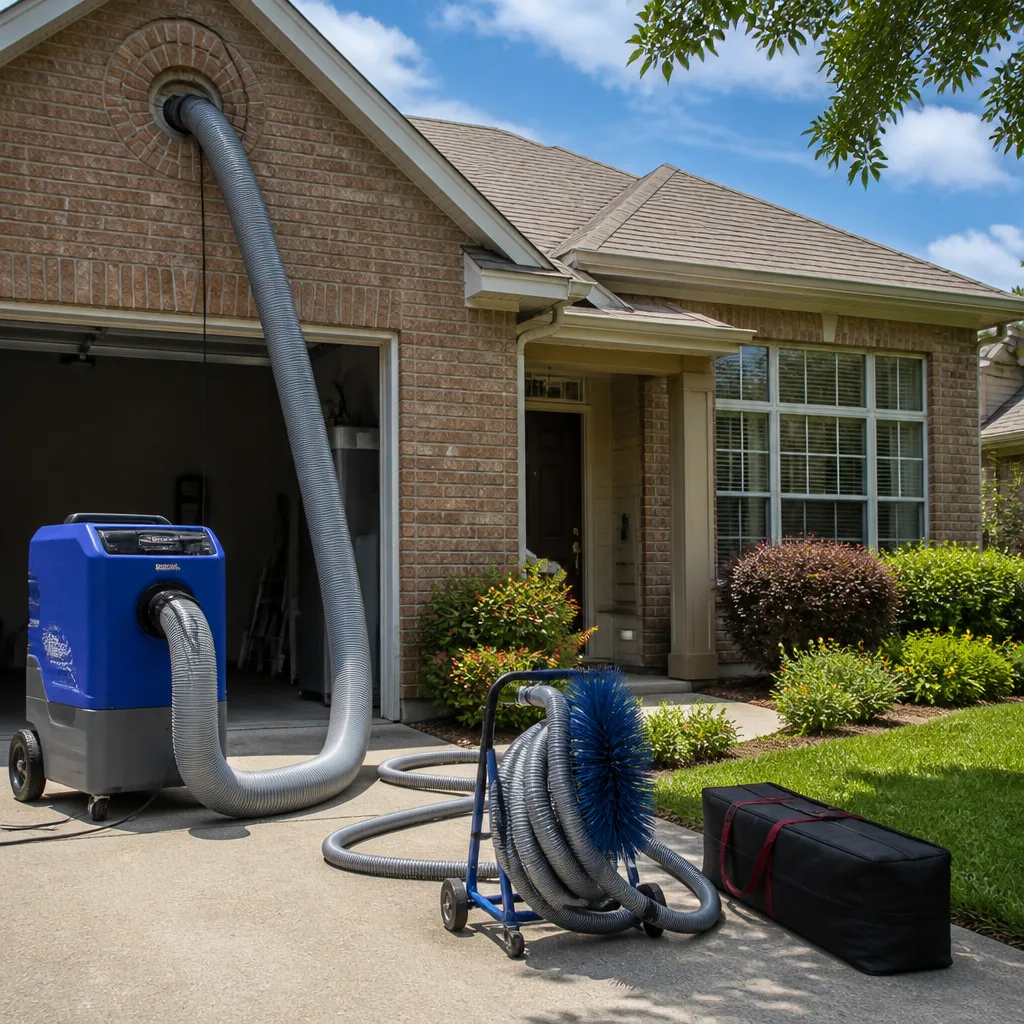
 Whole-home duct cleaning
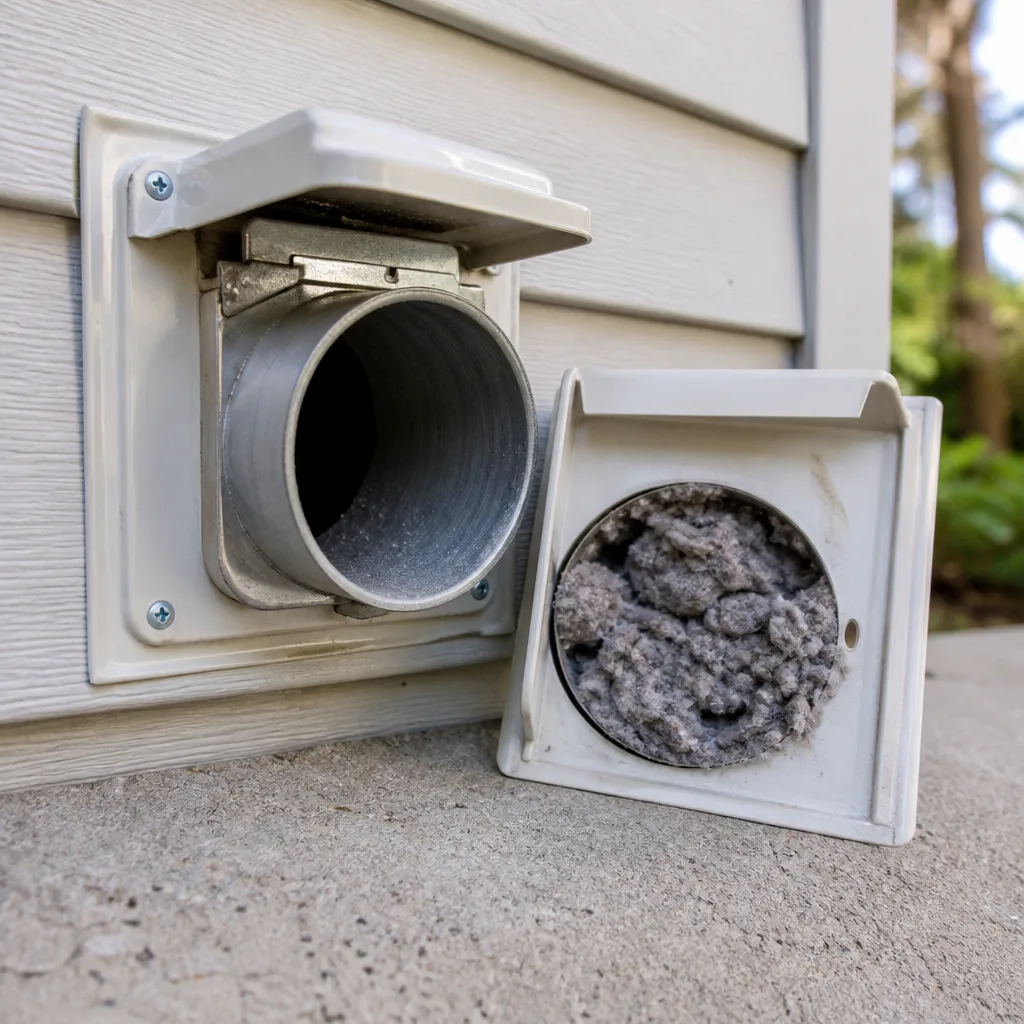 Dryer vent cleaning
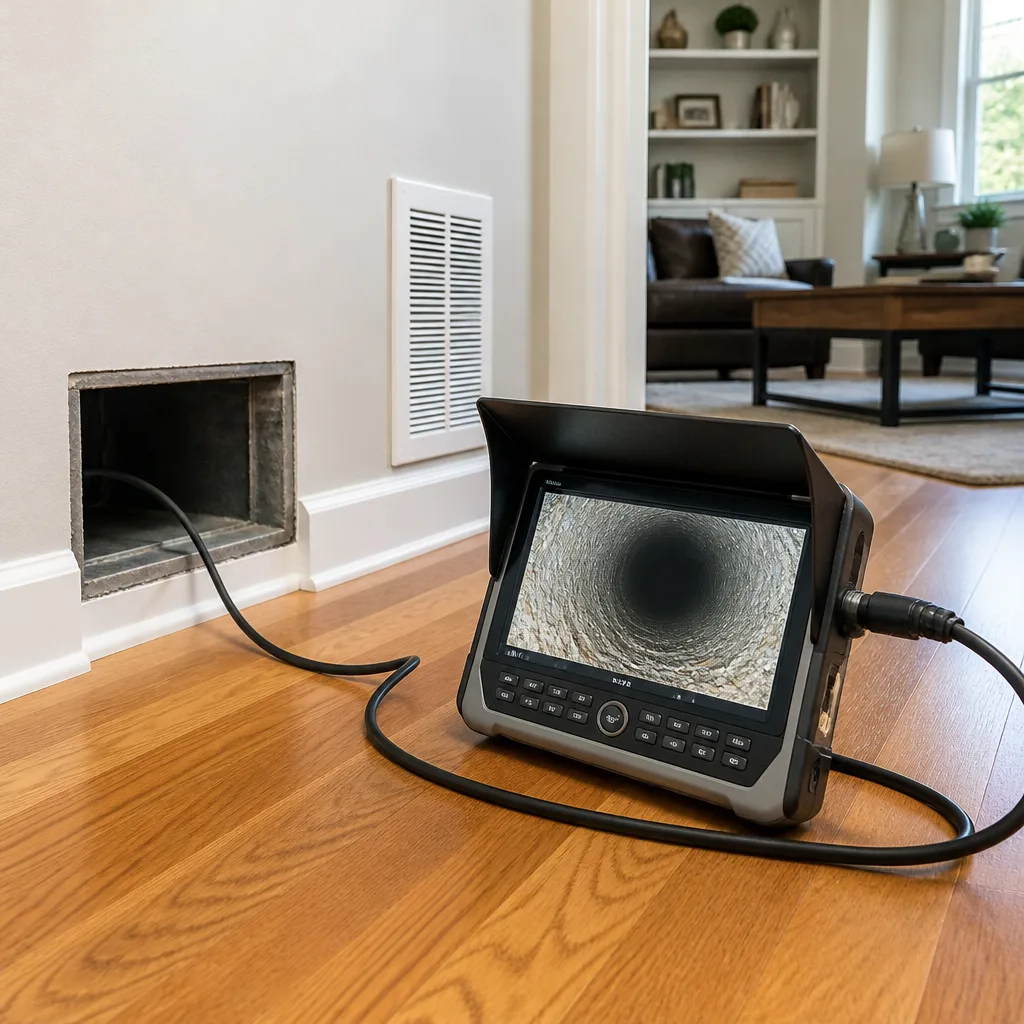 Camera inspection
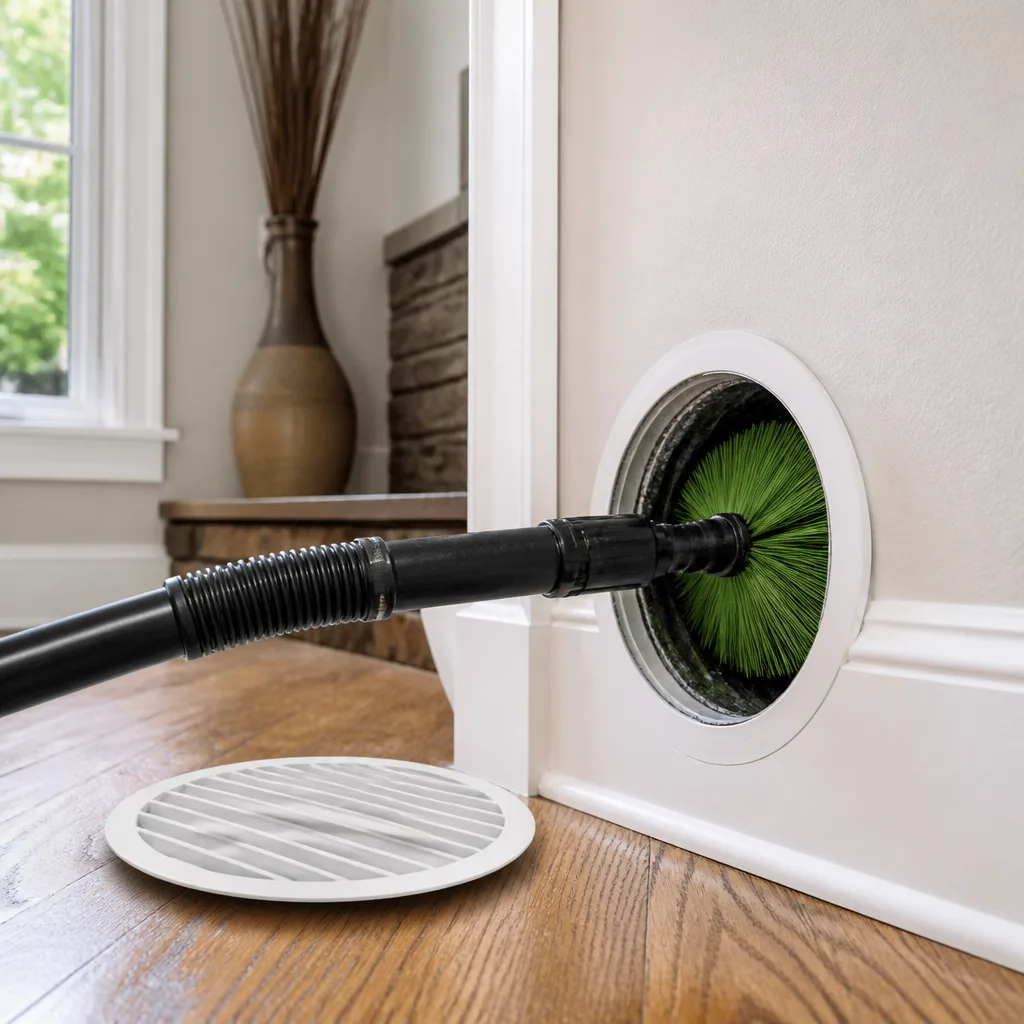 Sanitizing & deodorizing
Whole-system duct and dryer vent check with before-and-after photos - you see exactly what came out of your vents
That "$99 whole-house special" is a bait ad - the real number appears once they are in your hallway, or the "clean" is a shop-vac at the register. We photograph the inside of your ducts before and after instead.
Honeywell Register & Grille Cleaning: The Tampa Owner’s Guide
Honeywell register and grille cleaning in Tampa typically runs between $120 and $280 for a full-home service, depending on how many registers your system has and how much buildup has settled inside them. We stock Honeywell-compatible cleaning equipment and finish most homes in a single visit. Owners usually call us after noticing dust streaks on the ceiling around certain vents, or after realizing one room never quite cools the way the others do.
Here’s what happens in Tampa specifically: register faces and the grille boxes behind them collect a sticky film of dust, pet hair, and humidity-trapped pollen. That film hardens over time, narrowing the airflow path. The Honeywell registers themselves are well-built, but even the best register can’t shed what Florida air deposits on it. Our crews work with Rotobrush and Nikro equipment to clean both the visible register face and the grille box behind it without damaging the finish or the damper mechanism.
Key takeaways:
- Whole-home Honeywell register and grille cleaning in Tampa: $120 to $280, with a written price before any work starts.
- We clean the register face, the grille box, and the first section of duct behind it, not just what you can see from the hallway.
- Every job includes shoe covers, drop cloths, and a photo of the clean-up before the crew leaves.
Which Honeywell Models This Applies To
This service applies to Honeywell residential registers and grilles across the standard residential lines: the stamped steel supply registers (typically 4×10, 4×12, 6×10, and 6×12 sizes), the aluminum and steel return air grilles, and the adjustable multi-shutter registers found in most Tampa homes built from the 1980s onward. Honeywell produces both sidewall and ceiling registers, and the cleaning approach is the same for both, though ceiling registers in Tampa collect a heavier mix of humidity-driven dust and return-side grilles collect what the filter missed.
One compatibility detail worth knowing: Honeywell registers have a thinner, lighter damper blade assembly than older cast-metal registers. That’s good for airflow, but it means aggressive brushing can bend the louvers. We use soft-bristle attachments specifically sized for Honeywell’s louver spacing, then follow with a negative-air extraction pass to pull loosened debris out rather than pushing it deeper into the duct. We’re an independent service provider, not affiliated with Honeywell, but we’ve cleaned enough of their registers to know exactly how they’re put together.
If you’re unsure what size or series you have, look for the stamped size marking on the register face, usually along the outer frame. If it’s painted over or worn off, measure the opening itself, not the outer trim. A 4×10 register means the opening is roughly 4 inches by 10 inches. Write that down before you call us and we’ll know what we’re working with before the crew arrives.
Styles & brands we work with
Signs Your Honeywell Register & Grille Cleaning Is Failing
- Dark dust streaks on the ceiling or wall around the register. This is the classic Tampa signature: conditioned air passing over a dirty register face picks up fine particles and deposits them on nearby surfaces. The register itself is the source, not the duct behind it. Cleaning the face and grille box stops the streaking.
- One room runs warmer than the rest, even with the damper fully open. A grille box packed with hardened dust and pet hair acts like a partial blockage. The Honeywell damper is doing its job, but the airway behind it is choked. This is the most common complaint we hear from Hyde Park homeowners with older systems.
- The damper lever feels gritty or won’t hold its position. Humidity-driven dust collects in the pivot points of the louver assembly. Honeywell’s levers are solid, but Florida humidity turns fine dust into a paste that stiffens the action. A proper cleaning restores the click-and-hold feel.
- Visible dust or debris on the register face even after you wipe it. That’s because the debris is behind the louvers, in the grille box, or in the first few inches of duct. Wiping the face only addresses the top layer. We remove the register, clean both sides, and extract what’s behind it.
- A faint musty smell only when the system first kicks on. Dust plus Tampa’s ambient humidity can develop a stale odor inside the grille box. The smell burns off after a minute of airflow, but the source stays until it’s cleaned out. This is separate from a duct-wide odor issue, which would call for a full system cleaning.
See the difference
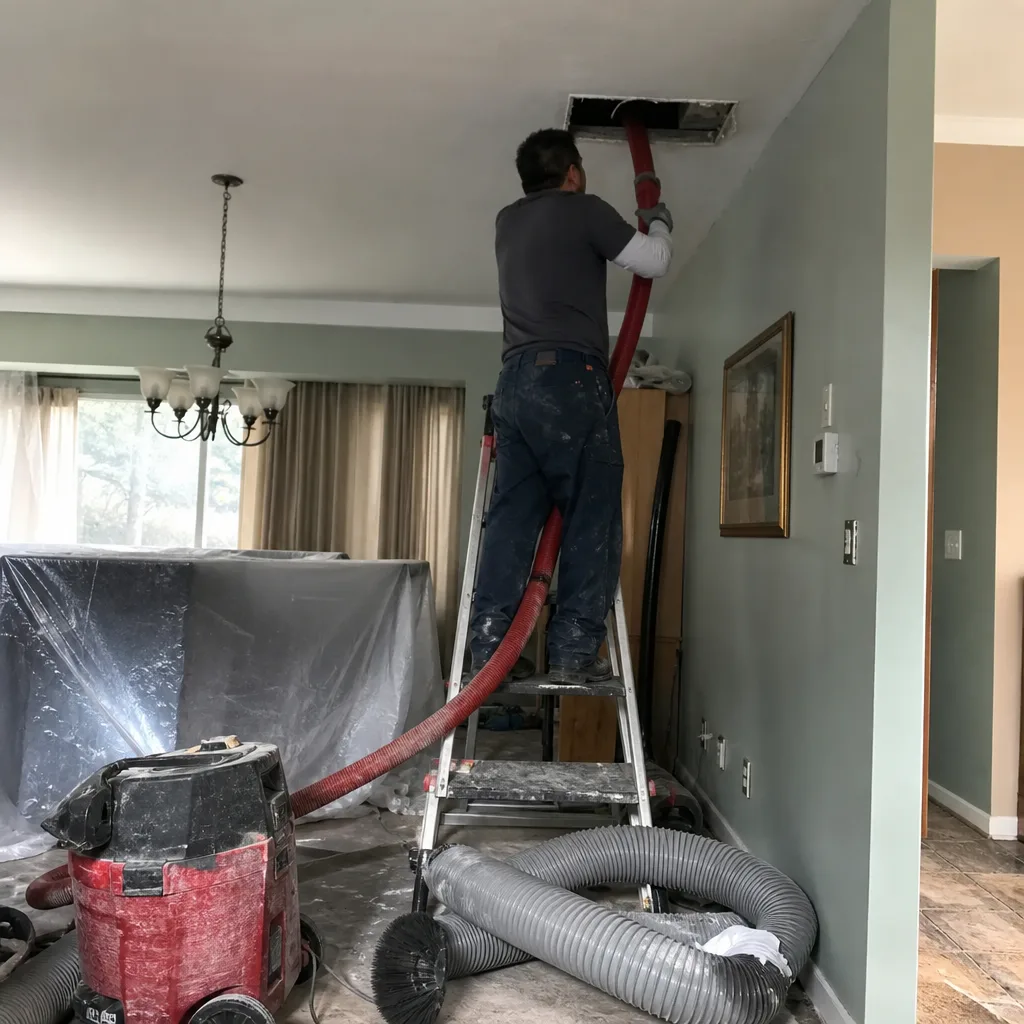 Before
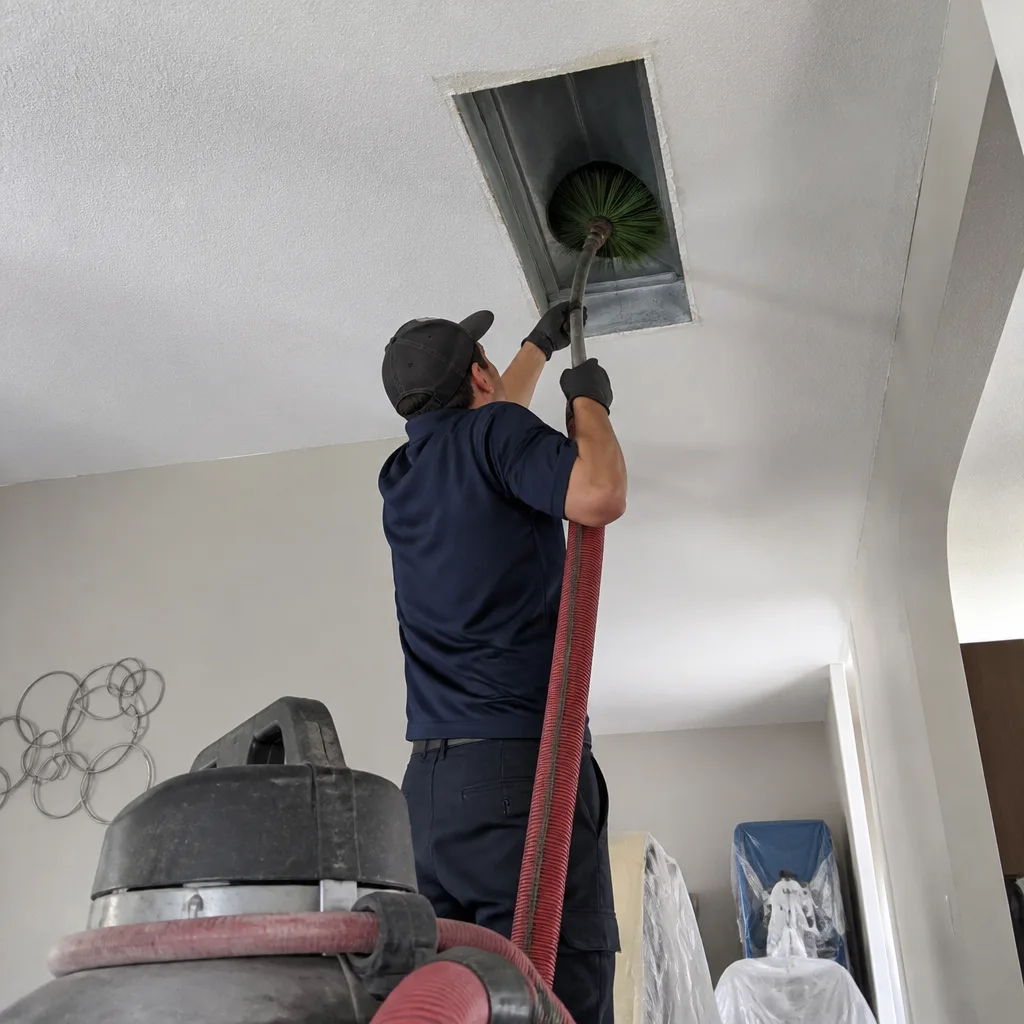 After
After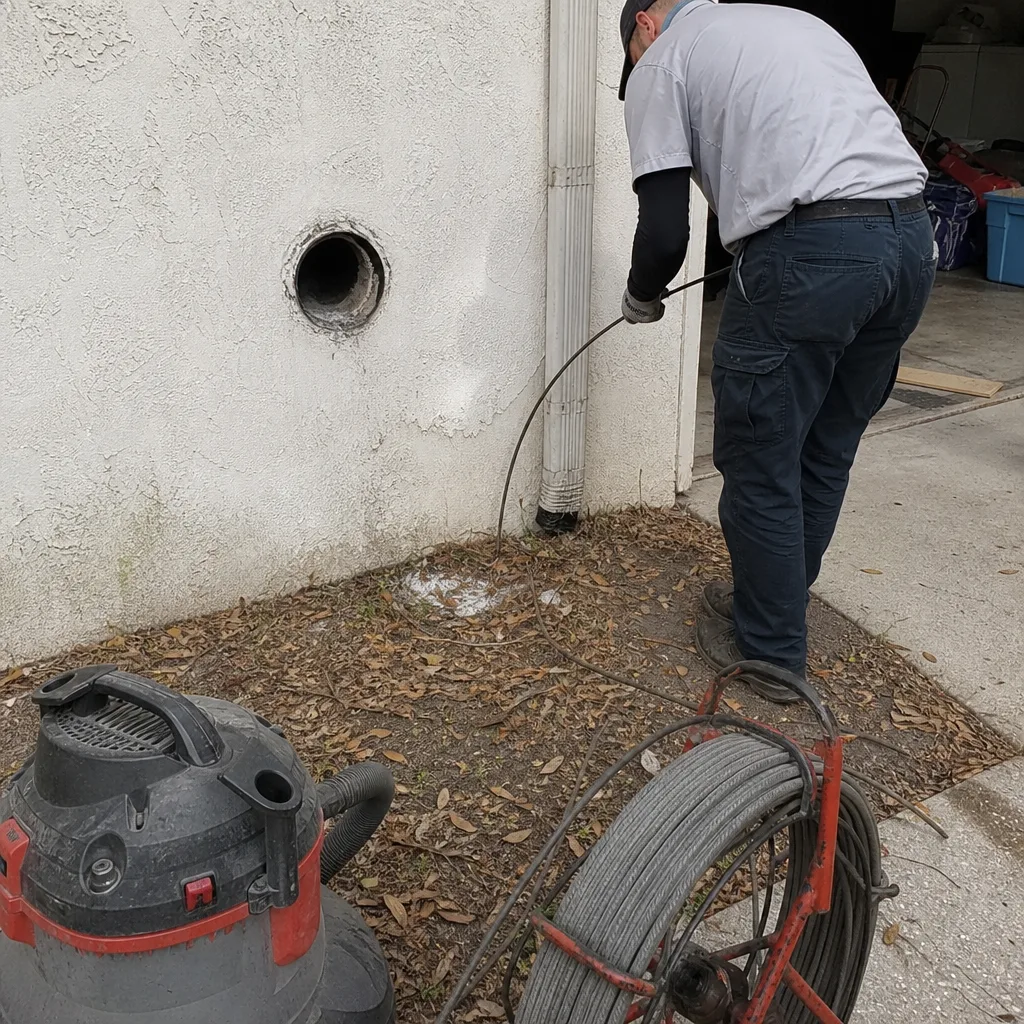 Before
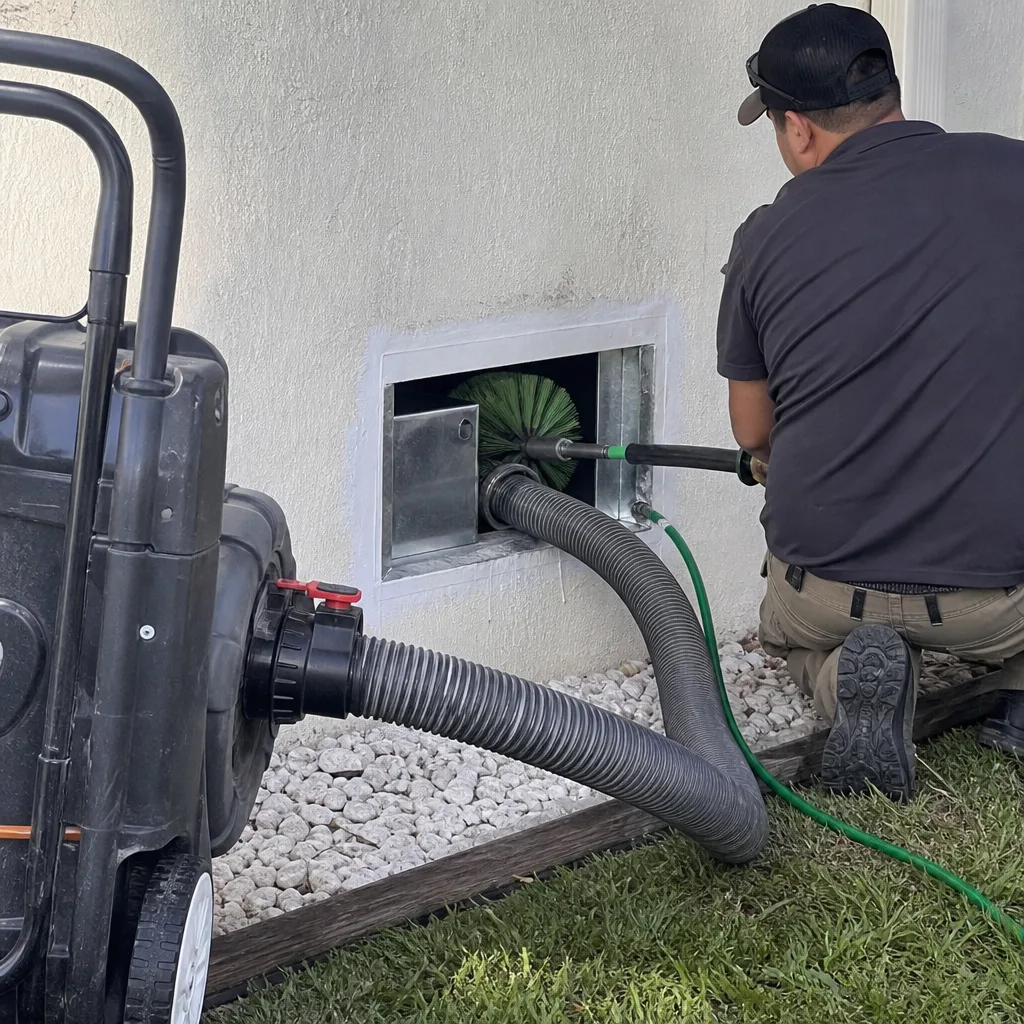 After
After Before
 After
AfterReplacement Cost & What’s Included
Whole-home Honeywell register and grille cleaning in Tampa runs $120 to $280. Here’s the breakdown of what drives the number:
- $120 to $160: Smaller homes (up to about 8 registers and grilles) with light-to-moderate buildup. Single-story, typical 3-bedroom layout.
- $160 to $220: Medium homes (9 to 14 registers and grilles) or light buildup in a two-story home. This is where most Tampa single-family homes land.
- $220 to $280: Larger homes (15+ registers and grilles), heavy buildup, pet hair accumulation, or return grilles that haven’t been touched in years.
Every price includes removal of each register, cleaning of the face and grille box with HEPA-filtered extraction equipment, wiping down the visible trim, and reinstalling everything exactly where it came from. The written price you get before we start is the price you pay. No per-register add-ons, no surprise fees. The work is covered by our 365-Day Done Right Promise: if it’s not done right, we make it right.
Replacement registers, if yours are bent or damaged beyond cleaning, are quoted separately and we’ll show you the damage before recommending a swap. Most Honeywell registers clean up fine on the first visit.
DIY or Call Us?
You can safely do a few things before calling: vacuum the visible face of each register with a brush attachment, and check whether the damper lever moves freely. Wiping down the outer trim with a damp cloth is fine too. What you should not attempt is removing the register and reaching into the grille box with a standard vacuum hose: without proper extraction filtration, you’ll pull dust out of the duct and spray it into the room, and you can easily knock loose connections inside the grille box that then rattle forever after.
Register and grille cleaning itself is not dangerous, but it is easy to do badly, and doing it badly means you’ve only cleaned the part you can already see. Paul Adeyemi puts it this way: before we move anything, we’ll show you what we found. That’s the difference between a cosmetic wipe-down and an actual clean. If you want it done right the first time, call us at (850) 738-9748 and we’ll give you a written price before the crew ever rings the doorbell.
FAQs
Honeywell registers themselves can last 15 to 20 years in Tampa’s climate before the louver pivots wear out or the finish begins to corrode. The grille box behind them, however, needs cleaning every 2 to 3 years in most Tampa homes, more often if you have pets or live near construction. In Hyde Park’s older homes, we typically recommend a register and grille cleaning as part of every other full duct cleaning. Call (850) 738-9748 and we can tell you what we’d expect given your home’s age and pet situation.
Yes, if the damage is limited to a bent louver or a loose damper lever, we can usually straighten and tighten it on the spot. If the frame is cracked, the finish is peeling badly, or the pivot points are worn to the point that the louvers won’t hold position, replacement is the honest recommendation. We’ll show you the damage and quote the replacement before doing anything. Call (850) 738-9748 for a straight answer on your specific registers.
For a typical Tampa home with 10 to 12 registers, expect about 1.5 to 2 hours from arrival to clean-up. Larger homes or heavy buildup add time. We work around nap schedules when we can, and our equipment runs quieter than most people expect. If you’ve got a sleeping toddler and a nervous dog, tell the crew when you book and we’ll plan accordingly.
We stock the professional cleaning attachments and extraction equipment sized for Honeywell’s louver spacing and grille box dimensions. For replacement parts and new registers, we can source Honeywell-compatible units and also work with Lennox, Trane, and Carrier components when a homeowner has a mixed system. If you need a register replaced, we’ll measure, quote, and install it during the same visit whenever possible. Call (850) 738-9748 to confirm stock for your size.
Ready to get your Honeywell registers and grilles properly cleaned? Call Morton’s Air Duct Tampa at (850) 738-9748 for a free estimate. A live person answers the phone 24/7, you’ll get a written price before any work starts, and every visit ends with a photo of the clean-up before the crew leaves. The 365-Day Done Right Promise applies to every job we do, no fine print.
Written by Paul Adeyemi, Owner, Mortons Air Duct Tampa at Mortons Air Duct Tampa, serving Tampa and nearby areas.