
Last updated October 15, 2026
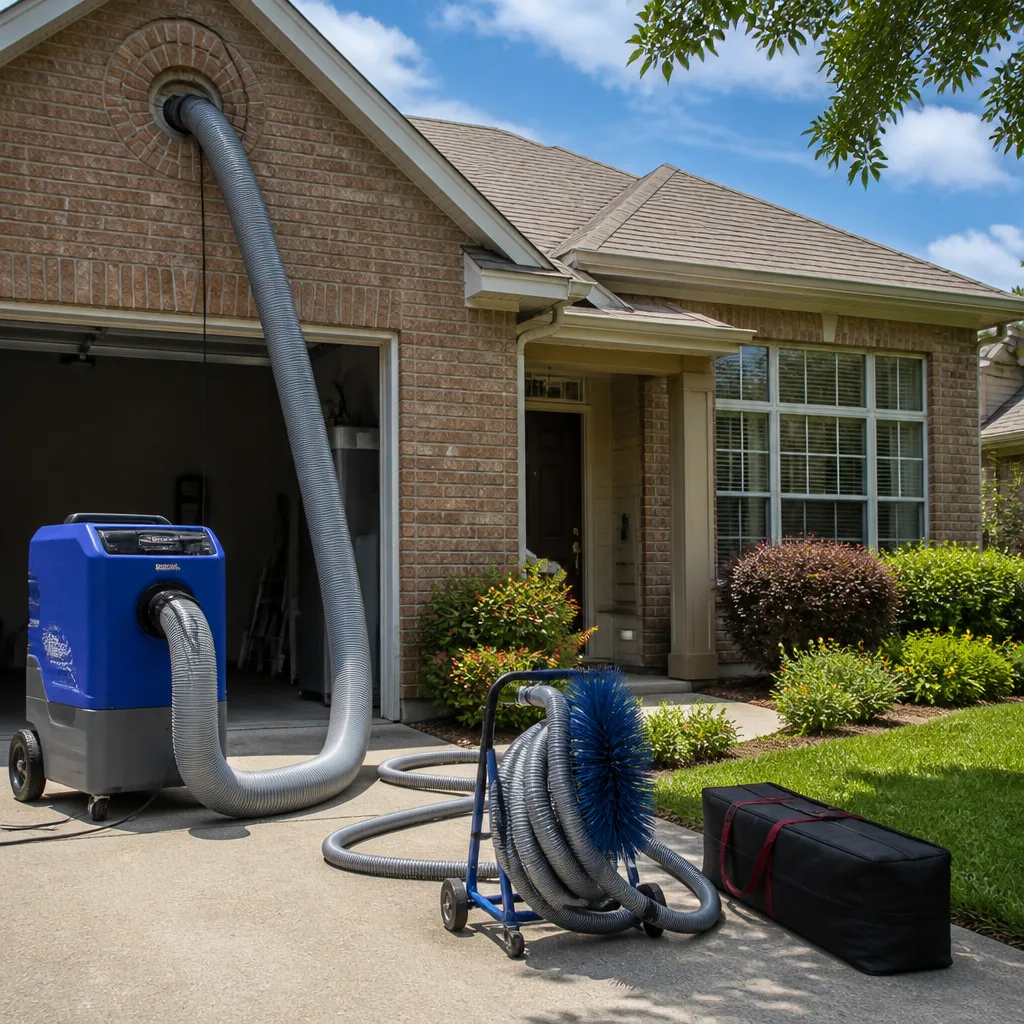 Whole-home duct cleaning
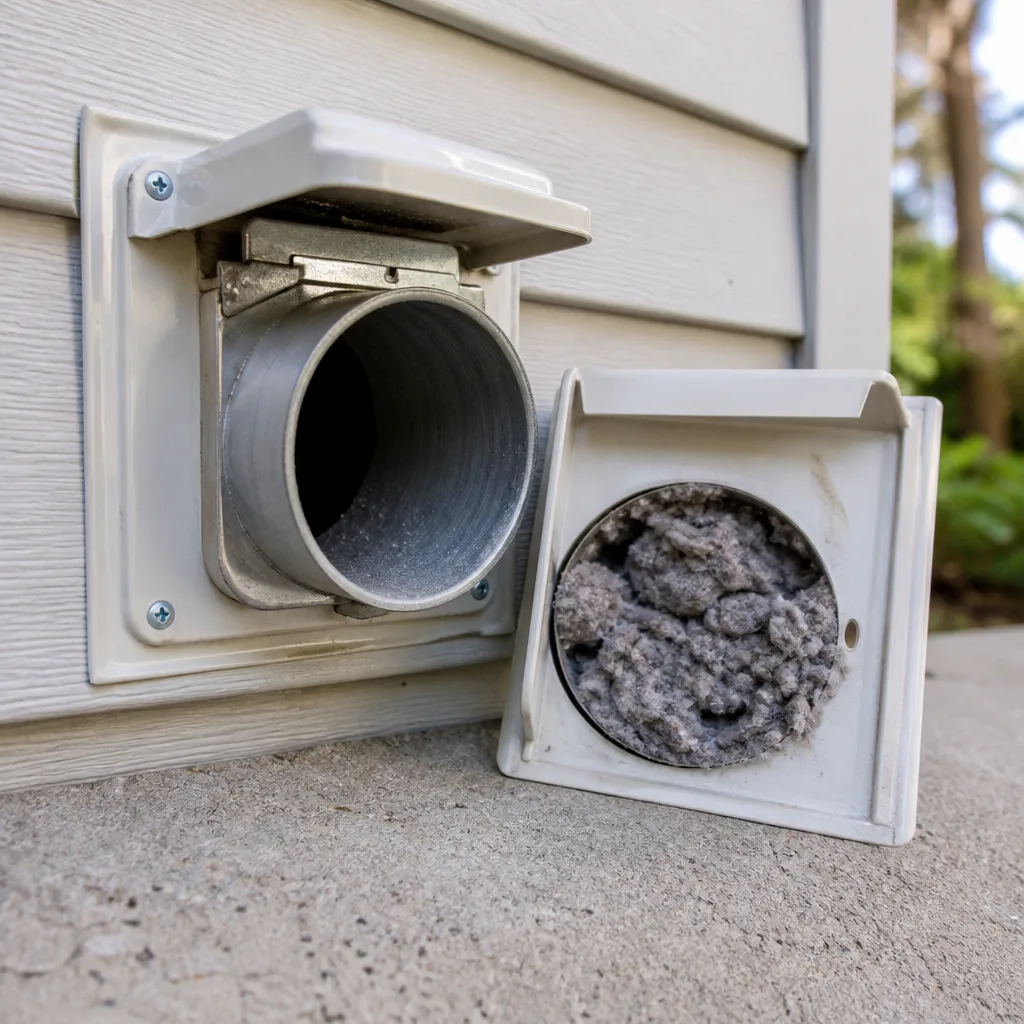 Dryer vent cleaning
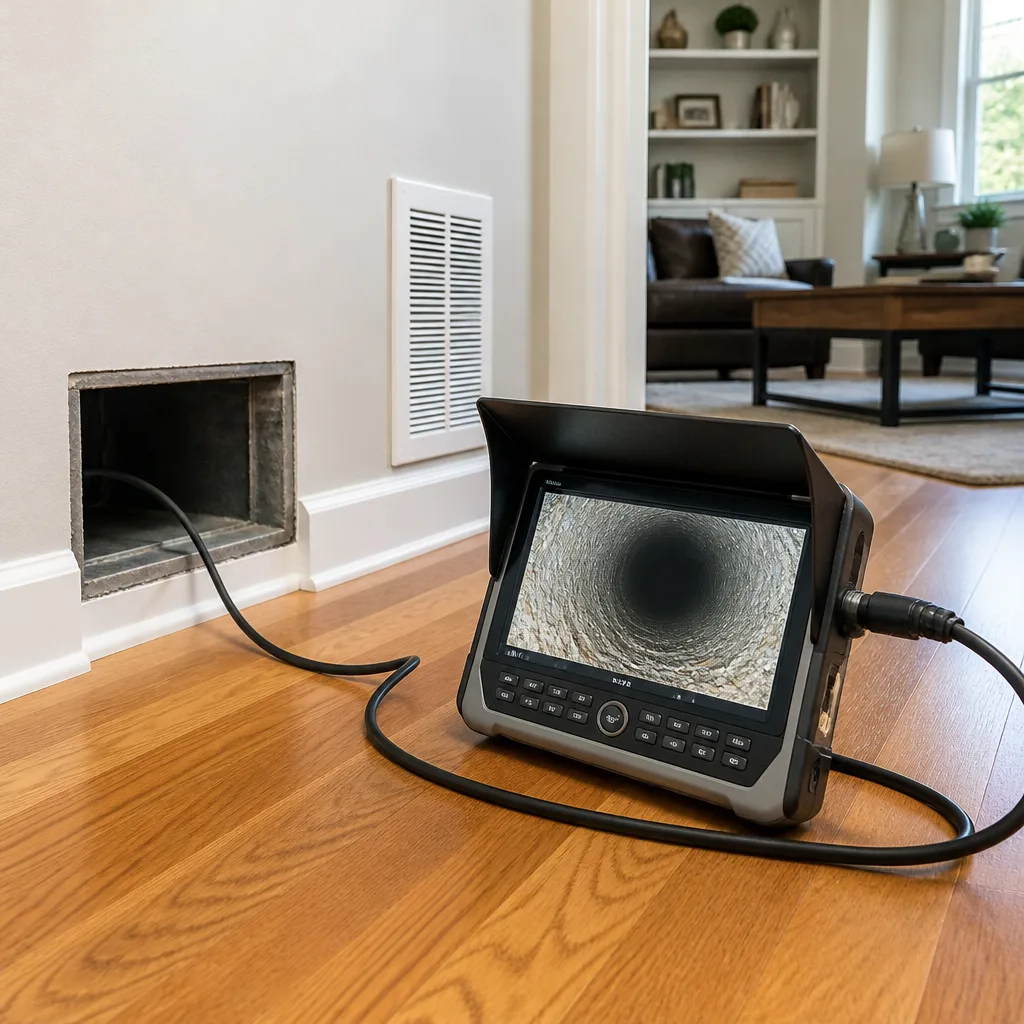 Camera inspection
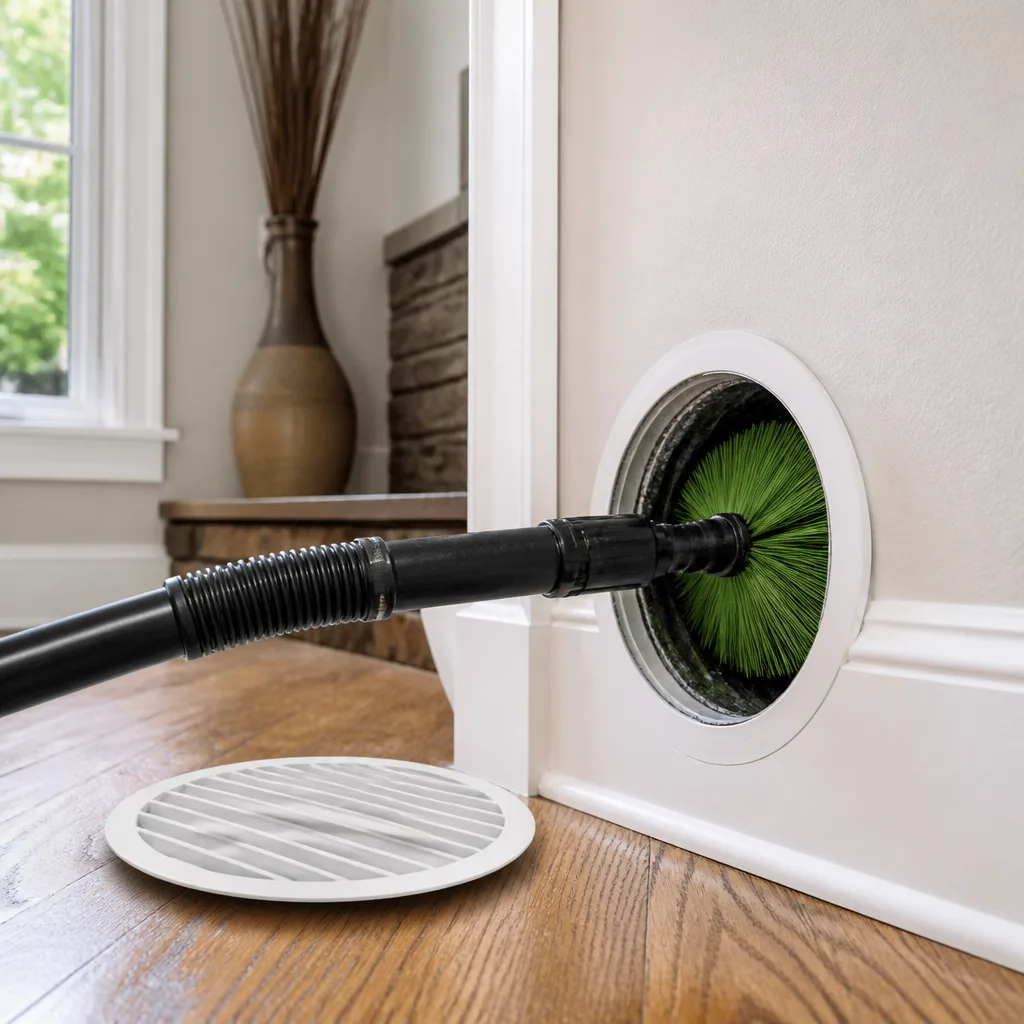 Sanitizing & deodorizing
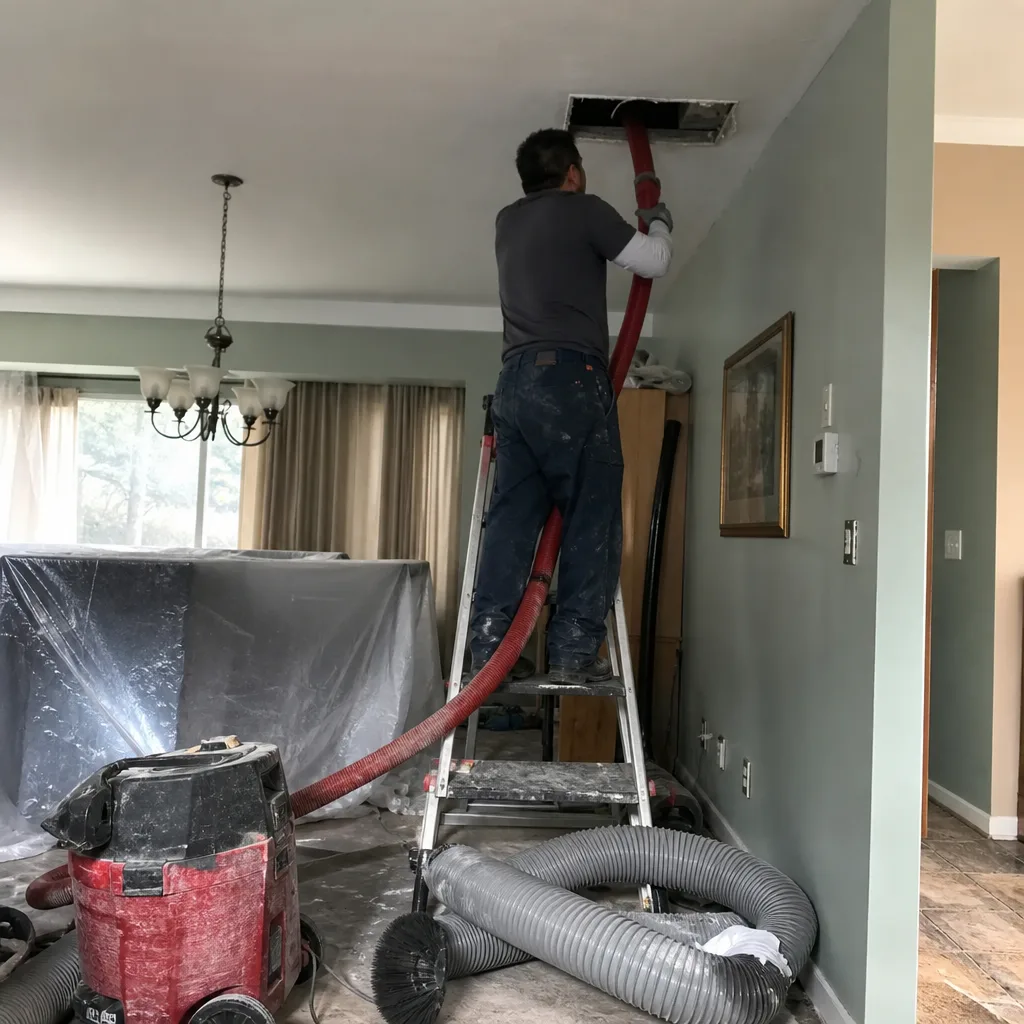
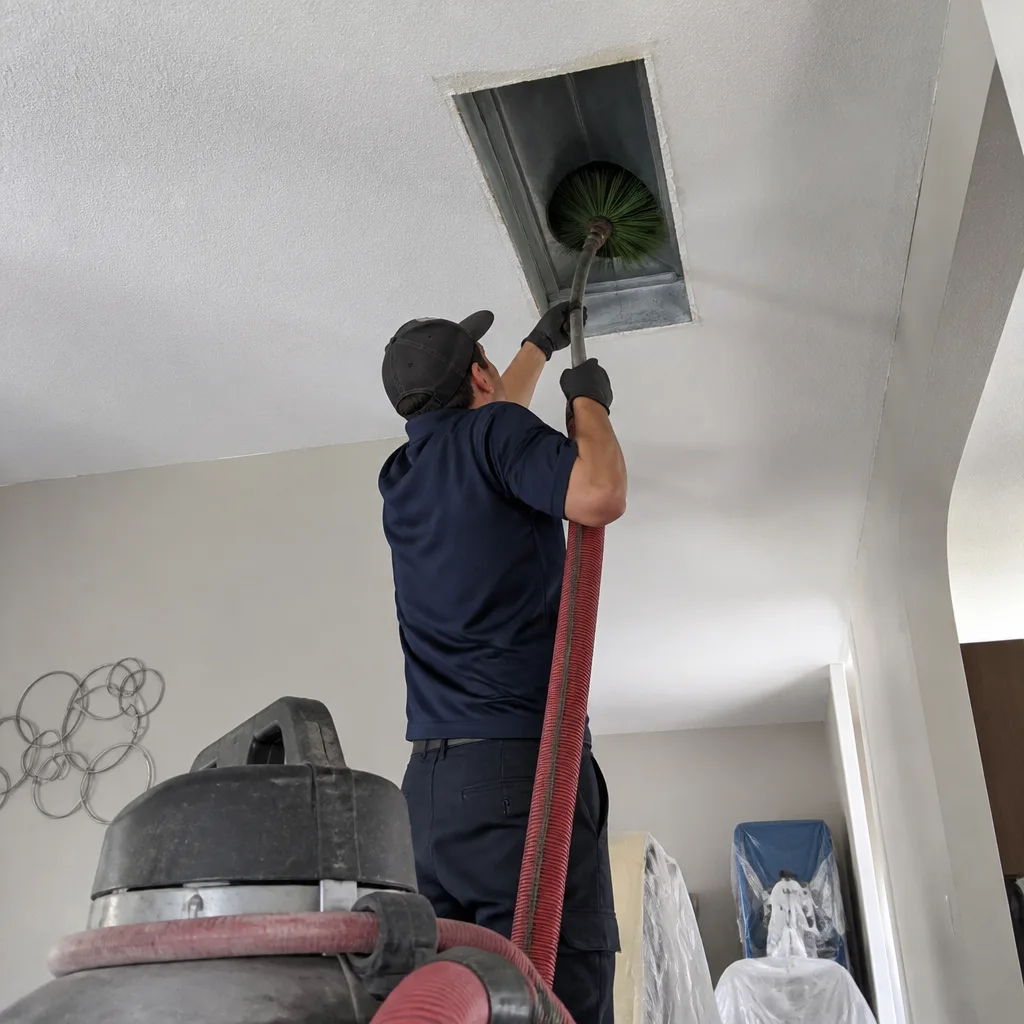
Whole-system duct and dryer vent check with before-and-after photos - you see exactly what came out of your vents
That "$99 whole-house special" is a bait ad - the real number appears once they are in your hallway, or the "clean" is a shop-vac at the register. We photograph the inside of your ducts before and after instead.
Air Duct Cleaning Warning Signs: A Tampa Homeowner’s Reference Guide
The most common warning sign Tampa homeowners miss isn’t visible at all. It’s the moment the AC starts cycling three or four minutes longer than it did the same week last year. That quiet shift, caused by restricted airflow through a partially blocked duct, shows up on the electric bill before it shows up anywhere else. This guide covers the six quiet signals that families in Tampa consistently overlook for months before they become expensive, and what each signal actually tells you about what’s happening inside your duct system.
Quick Answer
Air duct cleaning warning signs in Tampa include longer AC run times with unchanged thermostat settings, a persistent musty or pet odor near registers, white dust accumulating on dark furniture near supply vents, sweating or moisture on supply registers in slab homes, and family members noticing allergy or breathing changes when the AC kicks on. If you notice two or more of these signals together, the ducts likely need professional attention. A typical whole-system air duct cleaning in Tampa costs between $450 and $900 for a single-family home, and scheduling an inspection is a low-cost way to confirm what’s actually happening.
Styles & brands we work with
Table of Contents
- The Electric Bill Signal: Reading Your AC as an Airflow Meter
- The Pet Odor Shift: When It’s the Ducts, Not the Dog
- White Dust on Dark Furniture: What It Is and What It Isn’t
- Register Moisture in Tampa Slab Homes: Condensation vs. a Duct Problem
- The One Question to Ask Every Family Member
- Uneven Room Temperatures and Weak Register Pressure
- Post-Renovation Dust: The Signal That Follows Every Tampa Remodel
- Mold, Mildew, and the Florida Humidity Variable
The Electric Bill Signal: Reading Your AC as an Airflow Meter
Your AC system is the best diagnostic tool you already own. When ductwork is clean and clear, the system pushes cooled air through the house efficiently and shuts off on schedule. When ducts are coated with dust, pet hair, and the fine construction debris that Tampa’s sandy soil tracks indoors, the system works harder to move the same volume of air. The compressor runs longer. The fan runs longer. And the electric bill climbs before anything else changes.
Here’s how to read the signal. Pull up your last 12 months of electric usage from TECO or Duke Energy, whichever serves your part of Tampa. Look at the kilowatt-hours for the current month versus the same month last year, and compare it against the difference in average outdoor temperature. If the weather was roughly the same but your usage jumped 15% to 25% without a rate change, a new appliance, or a change in how many people live in the house, that increase is often airflow restriction. The AC isn’t working less efficiently because it’s older; it’s working longer because the ducts are making it push against resistance.
For a more direct test, time how long the AC runs during a normal afternoon cycle. On a typical Tampa summer day in the low 90s, a properly functioning system in a well-insulated home will run around 15 to 20 minutes per cycle. If you’re seeing 25, 30, or 40 minutes with the thermostat set where it’s always been, that’s a mechanical signal that something downstream of the air handler is restricted. In our work cleaning air ducts across Tampa, we’ve seen that signal show up three to six months before a homeowner calls us, because it’s so easy to attribute a higher bill to the weather. But Tampa’s summer heat is predictable. Your system’s run time should be too.
One more useful check: compare the airflow coming from a register in a room far from the air handler with one close to it. When ducts are clean, the difference is modest. When a duct is loaded with debris, the far room gets noticeably less air. That imbalance is a warning sign worth acting on before the system’s blower motor takes the long-term strain, which is a much more expensive repair than a professional air duct cleaning in Tampa.
The Pet Odor Shift: When It’s the Ducts, Not the Dog
Tampa has one of the highest rates of pet ownership in Florida, and every home with a dog or cat has a baseline pet smell that the family mostly stops noticing. But when that odor suddenly gets stronger near the registers when the AC runs, the problem is rarely the pet. Pet dander, fur, and the oils that carry animal scent get pulled into the return side of the duct system, where they coat the interior surfaces. Once enough has accumulated, every cooling cycle pushes that concentrated animal smell back out through the supply registers. The ducts act as an amplifier.
The test is simple. Run your hand along the top of a supply register in a room where the dog or cat spends a lot of time, like a living room or a bedroom. If your fingers come back with a fine, slightly greasy film, that’s dander and skin oil bonded to the duct surfaces inside. That’s not something a vacuum can reach. It’s accumulated over months of air circulation, and it’s sitting inside the ductwork itself.
There’s also a specific pattern that points to ducts rather than a pet hygiene issue. If the odor is stronger in rooms the animal rarely enters, like a spare bedroom or a hallway bathroom, that smells recirculates through the whole system. If it’s only strong in the room where the pet sleeps, it’s probably local. But when the smell follows the airflow to parts of the house your pet never visits, the source is the ductwork.
For families with kids who have mild pet allergies, this matters more. The dander coating inside ducts re-enters the air stream every time the AC runs, so a child might have allergy symptoms at home even in a clean room with a vacuumed floor. A thorough cleaning with professional equipment, including the Rotobrush and Nikro systems our technicians use for air duct cleaning in Tampa, pulls that material out at the source rather than just pushing it around. And because we work with pet-safe product choices where available, the family dog can be back in the living room the same afternoon without a concern.
White Dust on Dark Furniture: What It Is and What It Isn’t
If you live in a Tampa home with dark wood furniture or dark-painted walls near a supply register, and you’ve noticed a fine white or gray film that keeps coming back no matter how often you dust, you’re seeing one of two things. Knowing which one you’re dealing with changes what you should do next.
The first possibility is simply the mineral content of Tampa’s hard water coming through the AC system. When condensation forms on the cooling coil and evaporates, trace minerals from the water can become airborne as a very fine white dust that settles on surfaces near the registers. This is common in Florida and usually harmless. It’s more visible on dark surfaces, which is why it shows up on espresso-stained furniture or black shelves before anyone notices it on lighter finishes.
The second possibility is more concerning: deteriorating duct liner. Older duct systems, especially those installed in Tampa homes built in the 1970s through the 1990s, often used fiberglass-lined duct board. Over decades of Florida humidity, that interior liner breaks down. The white or gray particles coming out of the registers aren’t house dust; they’re fragments of the duct’s own internal surface. If the dust near a register feels slightly fibrous or gritty rather than chalky, and especially if it has a faint fiberglass-like shimmer in direct sunlight, that’s deteriorating liner material.
You can tell the difference between hard-water dust and liner dust with a simple test. Place a clean black cloth over a supply register while the AC runs for 15 minutes. If what collects is fine and powdery and wipes away cleanly, it’s likely mineral dust. If it’s gritty, fibrous, or irritates the skin on your wrist where you brush against it, the duct liner is degrading and the particles entering your home’s air are not something you want your kids breathing. That’s a situation where we recommend a professional inspection before the next full cooling season. Our technicians can identify exactly what’s coming through the system using inspection cameras and tell you whether the fix is a cleaning, a sealing, or a targeted repair.
Register Moisture in Tampa Slab Homes: Condensation vs. a Duct Problem
Tampa’s humidity is a constant, and every homeowner here has seen a supply register with a little condensation on the outside during the worst of August. That’s normal. Cold air meets warm, humid room air, and the metal or plastic register sweats a few drops. It’s not a warning sign by itself.
But there’s a specific pattern that is a warning sign, especially in slab-on-grade homes, which make up a huge share of Tampa’s housing stock. In a slab home, supply ducts often run through the concrete foundation or in the space between the slab and the floor. When the soil around a slab foundation stays wet during Tampa’s rainy season, from June through September, that moisture can migrate into the duct runs. The first visible sign isn’t water on the floor. It’s a register that stays damp for hours after the AC cycle ends, or one that shows a ring of rust or mildew staining around the edges.
Here’s the distinction worth remembering. Normal condensation forms while the AC is running and evaporates within 10 to 15 minutes after the system shuts off. Problem moisture lingers. If you wipe a register dry at night and it’s damp again the next morning without the AC having run, the moisture is coming from inside the duct system, not from room air. That’s an interior duct moisture problem specific to Tampa’s slab homes, and it’s one of the most overlooked signals in this guide, because most homeowners never think to check a register when the AC isn’t running.
The risk here goes beyond the ducts themselves. Sustained moisture inside a duct system in Tampa’s climate promotes mold growth on the dust and organic material that has already collected inside the ducts. That’s a different problem from the dust accumulation and dander we’ve discussed. Mold inside ducts needs a professional cleaning with appropriate equipment, which is exactly what our technicians use on air duct cleaning in Tampa jobs. If you’ve noticed a register that won’t stay dry, get it inspected before the next rainy season locks in the moisture for another four months.
The One Question to Ask Every Family Member
Children and allergy sufferers often notice changes in indoor air quality weeks or even months before adults with tolerant sinuses do. A child’s respiratory system reacts more sharply to the dust, dander, and mold spores that a restricted duct system recirculates, and their symptoms show up at home first, before anyone connects them to the HVAC system.
The question to ask each family member separately is this: “Do you notice anything different when the AC kicks on?” Ask it without leading. Don’t mention dust, don’t mention allergies, don’t mention the ducts. Just ask what they notice. The answers you get are often the earliest warning sign in this entire guide.
A six-year-old might say the air “smells funny” when the AC comes on. A teenager might mention sneezing more in their room than at school. A spouse might notice a stuffy feeling in the mornings that fades after the windows have been open. Each of these is a signal that the air moving through the house is carrying something it shouldn’t be, and each of them is easy to dismiss as a cold, allergies, or a phase.
In our experience, the families who catch duct problems earliest are the ones where one parent asks this question and actually writes down the answers. Because here’s what happens in most Tampa households: the AC kicks on, the adults don’t think about it, and the quiet accumulation of dust and dander inside the ducts continues for another season. By the time anyone notices a visible problem, the system has been working against a restriction for months. The question costs nothing to ask, and the answers are a diagnostic tool no inspection camera can replicate.
Uneven Room Temperatures and Weak Register Pressure
Every Tampa home has a warm room and a cool room. That’s normal, especially in older homes where the duct layout was sized decades ago. But there’s a difference between a room that’s a few degrees warmer by design and a room that suddenly stopped getting the airflow it used to. The change is the signal.
Here’s a practical test you can do in about five minutes. Close all the doors in the house, set the AC to run continuously for half an hour, and then walk through and hold a piece of toilet paper or a very light tissue near each supply register. In a healthy system, every register will push the tissue away with roughly similar force, accounting for distance from the air handler. In a system with restricted ducts, the registers farthest from the air handler will have noticeably weaker airflow, and some may barely move the tissue at all.
What that weak airflow means is that the duct serving that room is either partially blocked by accumulated debris or pinched by a collapsed or kinked section. Both happen in Tampa, where the combination of humidity and heat cycles the duct materials through expansion and contraction all year. Flexible ductwork in attics, which is common in Tampa homes built since the 1980s, is especially prone to sagging and pinching as the plastic collar connections age and loosen.
A room that’s 8 or 10 degrees warmer than the rest of the house isn’t something you should accept as normal. That temperature gap is your system telling you something specific: the conditioned air isn’t reaching that room. The fix might be a duct cleaning, it might be a targeted repair, or it might be both. But the first step is knowing the airflow is actually weak, not just assuming the room is sunny. The tissue test takes five minutes and gives you a real answer. If the airflow is weak, the next call should be to a professional who can inspect the duct run and tell you exactly what’s causing the restriction.
Post-Renovation Dust: The Signal That Follows Every Tampa Remodel
If you’ve had any renovation work done in your Tampa home in the past three years, from a kitchen remodel to a bathroom update to new flooring, your ducts are carrying evidence of it. Construction dust is finer and more pervasive than household dust. Drywall dust, tile dust, and the fine particulates from sanding and cutting get pulled into the return registers while work is happening, and they settle deep inside the duct system where no amount of regular vacuuming will reach them.
The pattern to look for is this: every time the AC kicks on, you see a fine puff of dust come from the supply registers, or you notice a fresh layer of fine white dust on surfaces near the registers within a day or two of cleaning. That’s construction debris circulating through the system. It doesn’t matter if the renovators hung plastic sheeting and sealed off the work area. The dust finds its way into the return air stream during the weeks the work is happening, and once it’s inside the ducts, it stays there.
Tampa’s construction environment adds another variable. Homes in developing parts of the city and surrounding areas, from South Tampa renovations to new builds in Riverview and Wesley Chapel, sit in areas with active construction dust in the ambient air. Even if your own home wasn’t remodeled, neighbors’ projects and new development can introduce fine particulate matter into your system through open doors and windows.
If a renovation happened in your home and the ducts were not cleaned afterward, that’s not a maybe. That’s a definite. The dust is in there. The question is how much and how deeply, and that’s something a professional inspection can determine. Whole-system air duct cleaning in Tampa after a renovation is one of the most straightforward returns on investment a homeowner can make, because the alternative is breathing drywall and tile dust for years until a natural cleaning cycle, which doesn’t exist, eventually pushes it all through the house.
Mold, Mildew, and the Florida Humidity Variable
Tampa’s climate creates conditions that make mold inside duct systems more common here than in most of the country. The combination of high outdoor humidity, frequent rain, and the temperature differential between cooled air inside ducts and warm humid air outside means condensation forms somewhere in the duct system during most months of the year. When that condensation combines with dust and organic matter inside the ducts, mold has everything it needs to grow.
Visible mold on a supply register or on the wall around a register is an obvious sign that should trigger immediate professional attention. But by the time mold is visible on a register, it’s been growing inside the duct system for a while. The earlier signals are the ones worth catching.
The earliest mold signal in Tampa homes is usually a persistent musty or earthy smell that’s strongest when the AC first kicks on. It’s often mistaken for a “Florida old house smell,” but it’s actually the odor of microbial growth inside the HVAC system. The second signal is the moisture issue described earlier in this guide: a register that stays damp for hours after the AC cycle ends. The third is an increase in allergy symptoms among family members that don’t improve when the weather changes or when they leave home for a few days.
If you detect mold or the musty signal that suggests it, the next step is a professional inspection, not a DIY attempt. The cleaning products sold for household mold are not appropriate for duct interiors, and the physical layout of duct systems makes thorough treatment from the inside essentially impossible without professional equipment. At Mortons Air Duct Tampa home, we use professional inspection cameras and HEPA-filtered equipment, including systems from Abatement Technologies, to identify mold conditions and clean them properly. The goal is removal, not masking, and that requires reaching every surface of the duct system, not just the first few feet visible from a register.
Common Mistakes to Avoid
- Attributing a higher electric bill to the weather without checking run time. Tampa summers are hot every year. If your AC is cycling longer than it did last summer at the same thermostat setting, the weather is not the variable that changed.
- Assuming the visible register is the whole story. A clean-looking register can conceal inches of dust, pet hair, and debris just behind it. The register is the doorway, not the room. What matters is the condition of the duct surfaces you can’t see.
- Treating musty smells with air fresheners or candles. Masking duct odors doesn’t remove the material causing them. The odor will return every time the AC runs until the source is removed from the duct system itself.
- Ignoring weak airflow in one room because it’s always been that way. Rooms with weak airflow tend to stay weak because the restriction stays in place. Unless a duct is cleaned or repaired, it doesn’t self-correct, and the system strain accumulates over time. Retrofitting older duct systems in Tampa homes is a significant expense that years of quiet neglect can make necessary.
- Forgetting that Tampa’s rainy season changes the moisture equation. A duct system that stayed dry all winter can develop interior moisture problems by July. The seasonal shift matters, and a register that sweats more in summer deserves a closer look, not a shrug.
- Waiting until the smell is unbearable or the dust is thick before calling. The families who catch duct problems early save money and breathe cleaner air. The families who wait until every surface in the house is dusty are usually looking at a more extensive cleaning by the time they call.
- Trusting a low quoted price without asking what it covers. This is the one mistake that costs Tampa families the most. A duct cleaning quote that’s dramatically cheaper than the market rate for Tampa, which runs $450 to $900 for a whole-home system, usually means fewer vents are actually being cleaned, shorter dwell time per vent, or additional charges once the crew is at your door. Before you hire anyone, ask what the written price covers and confirm it’s the full system, not a per-vent add-on.
See the difference
 Before
 After
After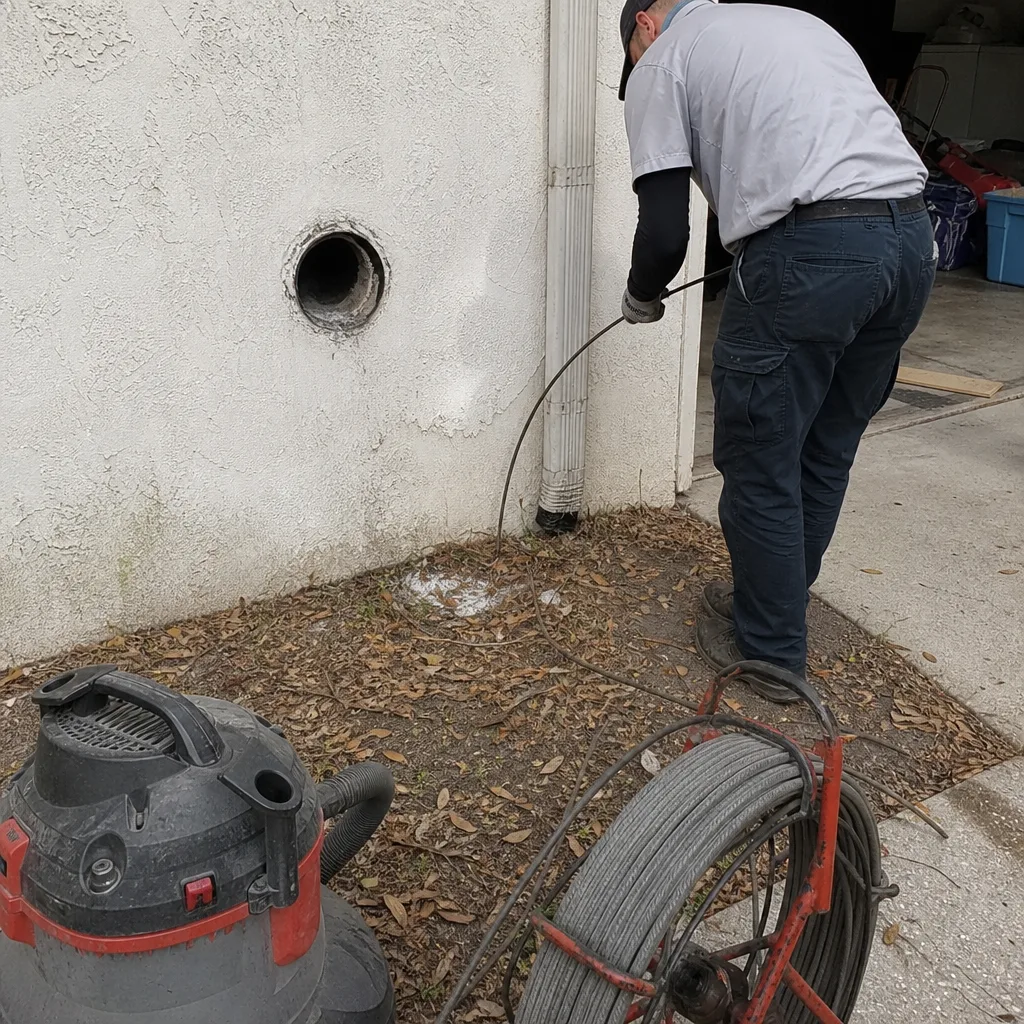 Before
 After
After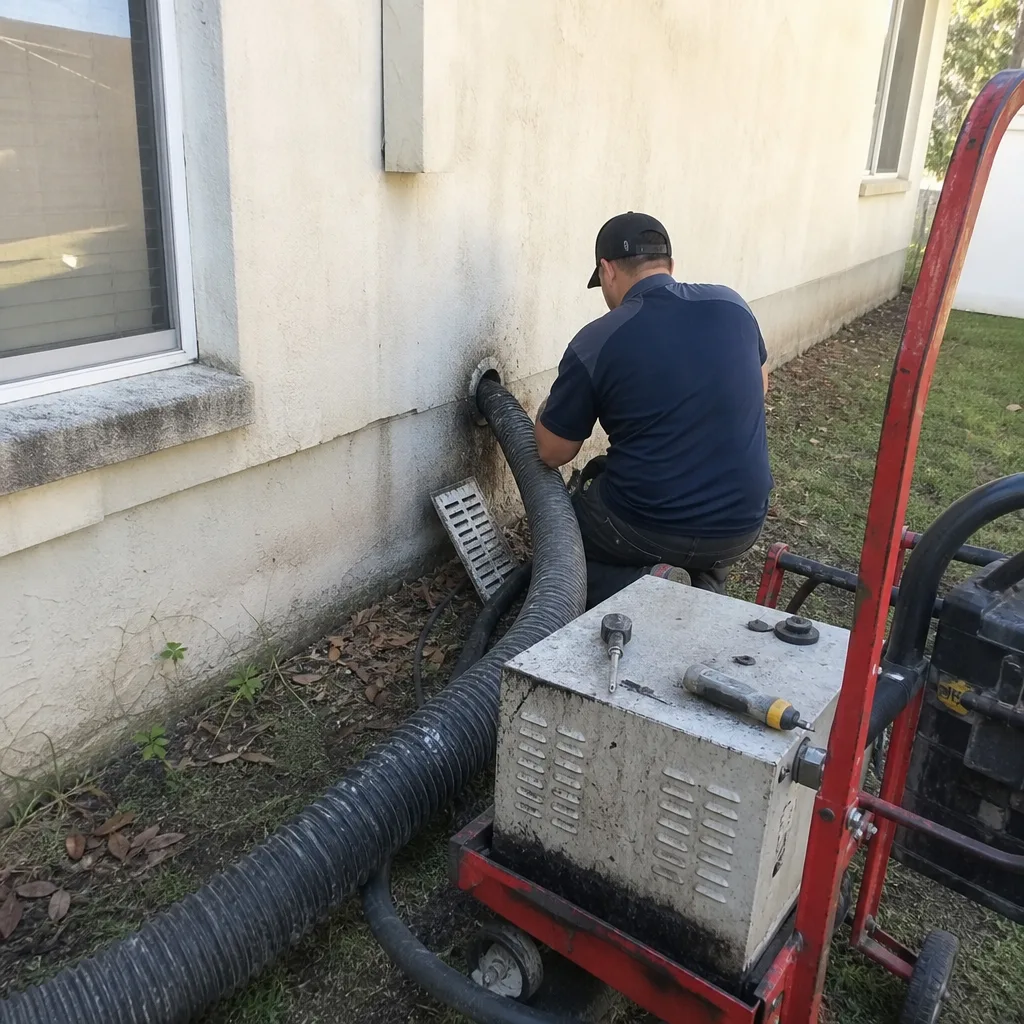 Before
 After
AfterWhen to Call a Professional
If you’ve identified two or more of the signals in this guide, the time to act is now, not after another season of recirculation. Specifically, you should call a professional when you see a sustained increase in AC run time, when family members report allergy symptoms that improve outside the home, when you find persistent register moisture in a slab home, when the tissue test shows weak airflow in one or more rooms, or when you have a musty odor that returns every time the AC runs. These are not conditions that resolve on their own. The material inside the ducts stays there until someone removes it, and every month it stays, it continues to circulate through the air your family breathes. Mortons Air Duct Tampa offers free estimates in Tampa. Call (850) 738-9748 and a real person will answer, walk through what you’re seeing, and help you schedule an inspection at a time that works for your family.
Frequently Asked Questions
Whole-system air duct cleaning for a single-family home in Tampa typically costs between $450 and $900, depending on the size of the home, the number of registers, and the amount of buildup in the system. At Mortons Air Duct Tampa, we provide a written price before any work starts, and that price covers the full system, not a per-vent add-on. Call (850) 738-9748 for an exact quote for your home. Estimates are free.
Cheaper quotes usually reflect fewer vents actually cleaned, less time spent per vent, or bait pricing that grows once the crew is at your door. The honest whole-system market rate in Tampa is $450 to $900. If a quote is far below that, ask what it includes in writing before anyone arrives. A written price upfront is the best protection against the bait-and-switch model that gives this industry its reputation.
At Mortons Air Duct Tampa, every completed job includes a photo of the clean-up before the crew leaves, and we walk you through what was found and what was removed. You should also expect before-and-after inspection camera images of the duct interiors from any reputable company. If a company refuses to show you what the ducts looked like before and after, that’s a warning sign. Call (850) 738-9748 to schedule a cleaning with visual proof included.
For most Tampa homes, every 3 to 5 years is a reasonable interval, with more frequent cleaning if you have multiple pets, recent renovation work, or a household member with significant allergies. Homes in areas with active construction nearby may also need more frequent attention. The 3-to-5-year range is a guideline, not a rule. The signals in this guide are the real indicators of when it’s time.
Yes. When the ducts are clean, the blower fan moves air with less resistance, the system cycles normally, and the AC doesn’t run longer than it needs to. The energy savings come from shorter run times, not from any change to the AC unit’s efficiency rating. That’s why a jump in run time without a change in thermostat settings is one of the earliest signals of a restricted system.
Filter changes help, and they’re important, but they only capture particles that reach the filter in the return air stream. The material that has already accumulated on the interior surfaces of the ducts stays there, and it re-enters the air stream continuously. Think of the filter as a gate that catches new traffic. The buildup already inside the ducts is traffic that’s already past the gate.
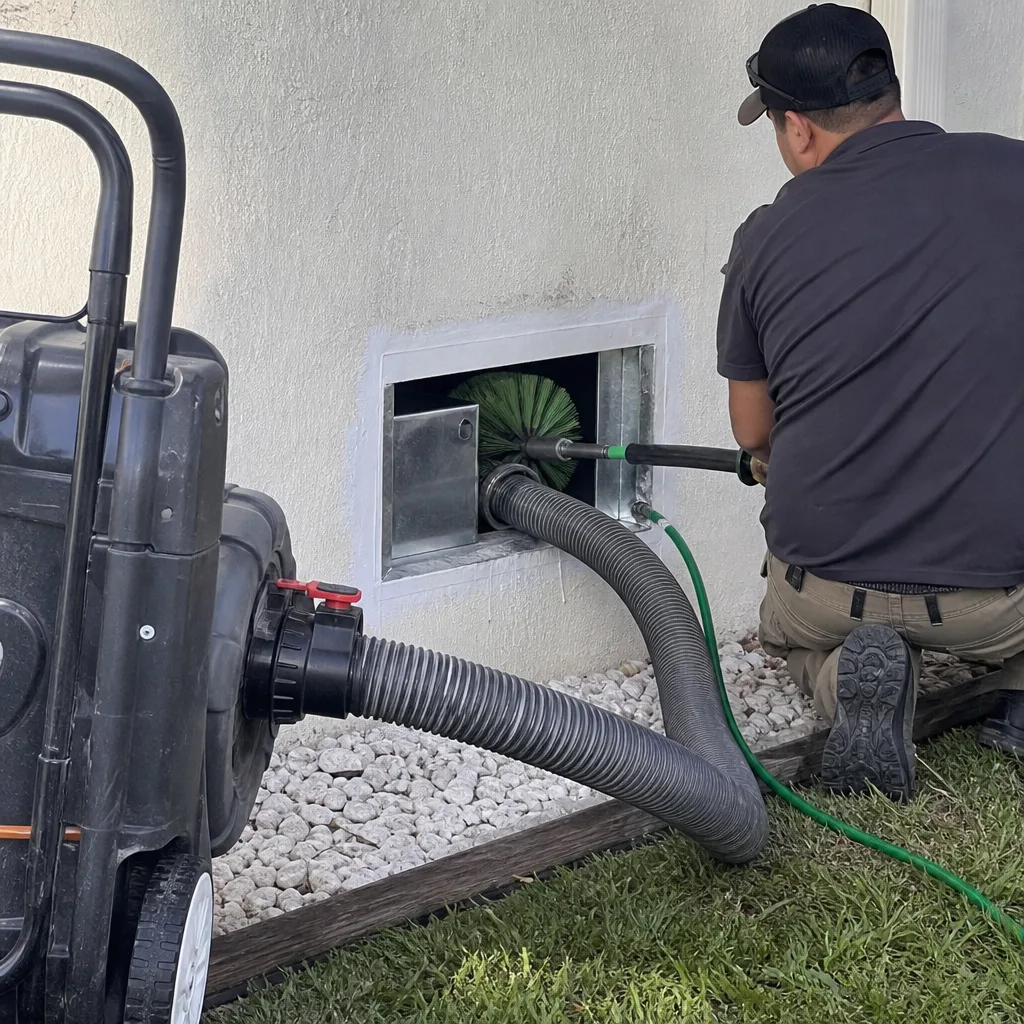
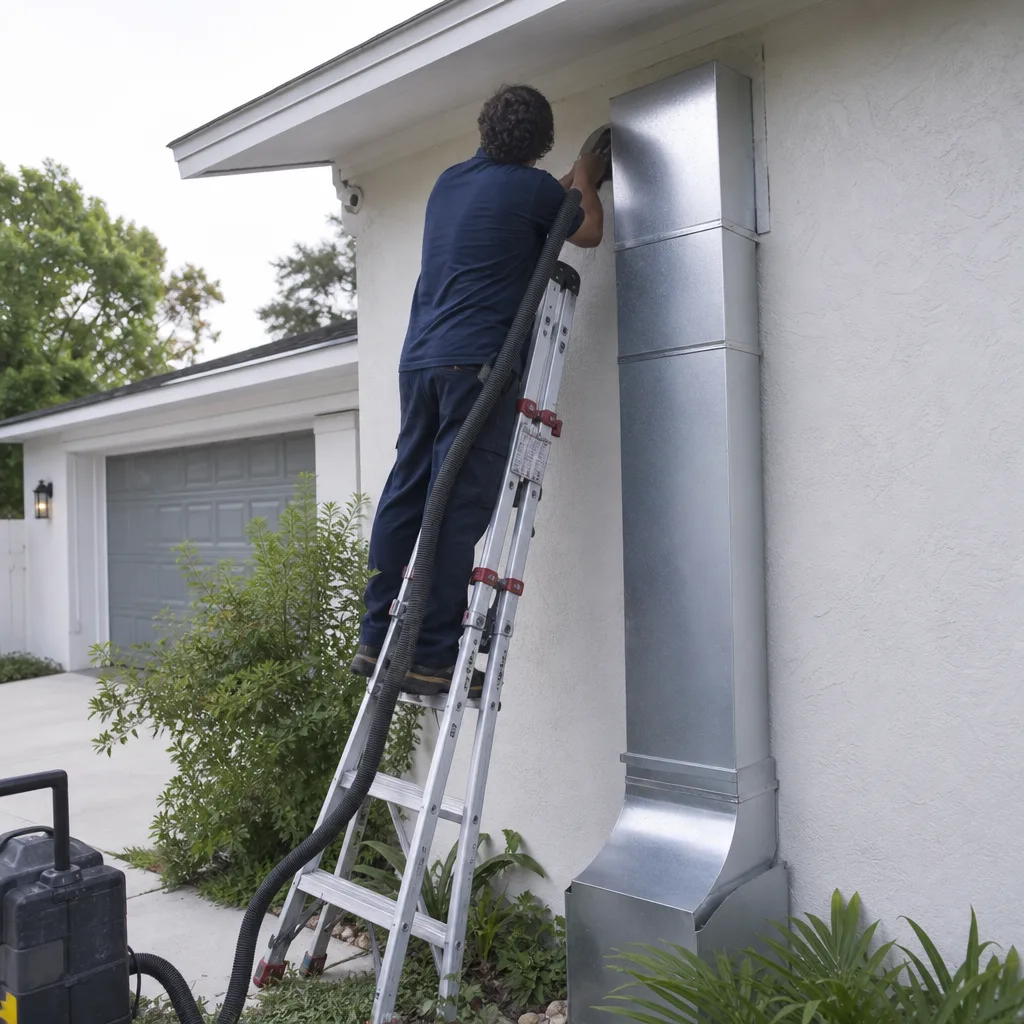
The two systems are separate, but they affect the same air quality inside the home. A dryer vent cleaning in Tampa removes the lint that accumulates in the dryer exhaust path, which reduces fire risk and improves dryer efficiency. That’s a different system from the air ducts that move conditioned air, but we clean both because both circulate air through the house’s interior and both accumulate material over time. You can schedule both services in a single visit and know the house is covered.
The Bottom Line
The six quiet signals in this guide, longer AC run times, a shifting pet odor near registers, white dust on dark furniture, lingering register moisture in slab homes, family member observations when the AC kicks on, and weak airflow in specific rooms, are the ones Tampa homeowners miss for months. None of them requires special training to notice. Each of them points to something specific happening inside the duct system. And every one of them is cheaper to address early than late, because restrictions, moisture, and accumulated material compound over time. The action that matters is simple: when you notice a signal, don’t wait to see if it gets better. It won’t. Get an inspection, get a written price, and make the decision with real information in front of you.
Need an honest assessment of your home’s ducts? Mortons Air Duct Tampa provides free estimates and written pricing before any work begins. Call (850) 738-9748 or visit our Mortons Air Duct Tampa home page to schedule an appointment. A live person answers the phone, and you’ll know exactly what to expect before anyone arrives.
Written by Paul Adeyemi, Owner at Mortons Air Duct Tampa, serving Tampa since 2005.