
Last updated October 15, 2026
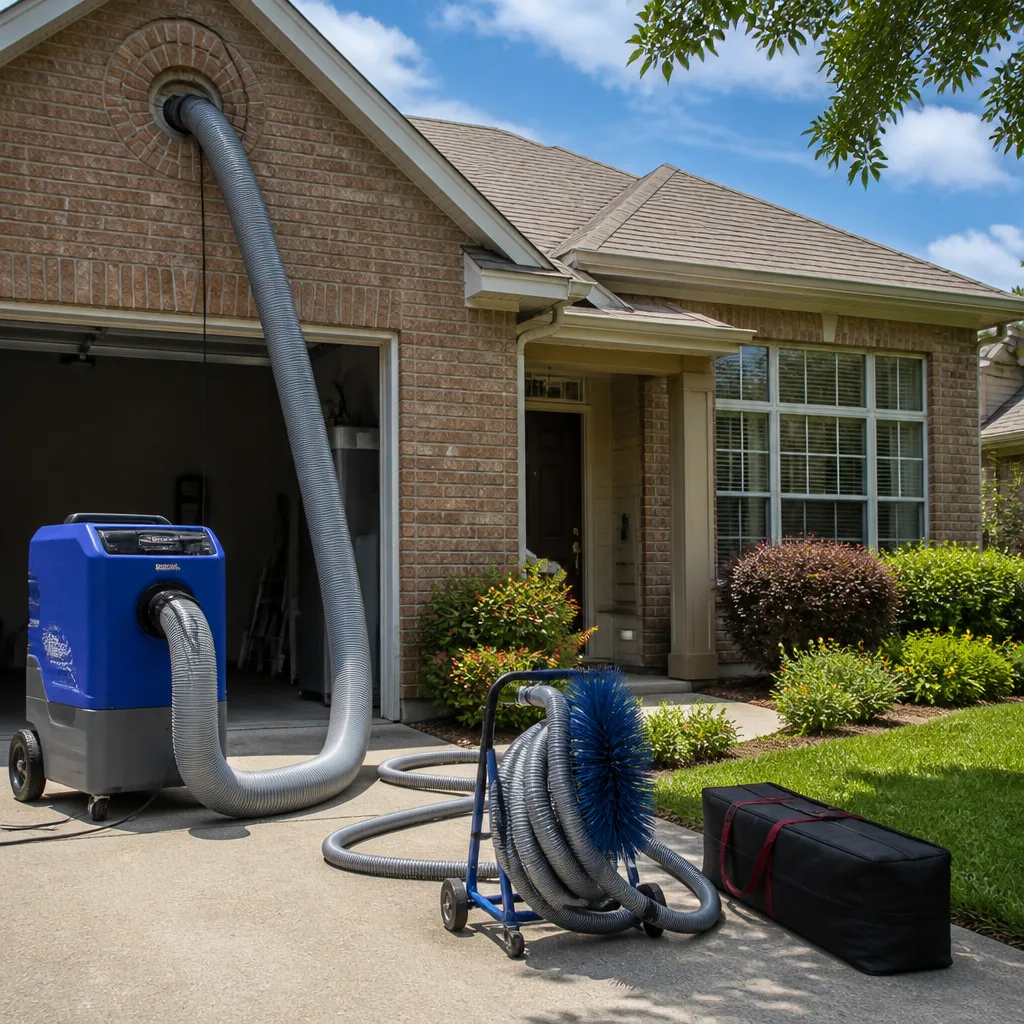 Whole-home duct cleaning
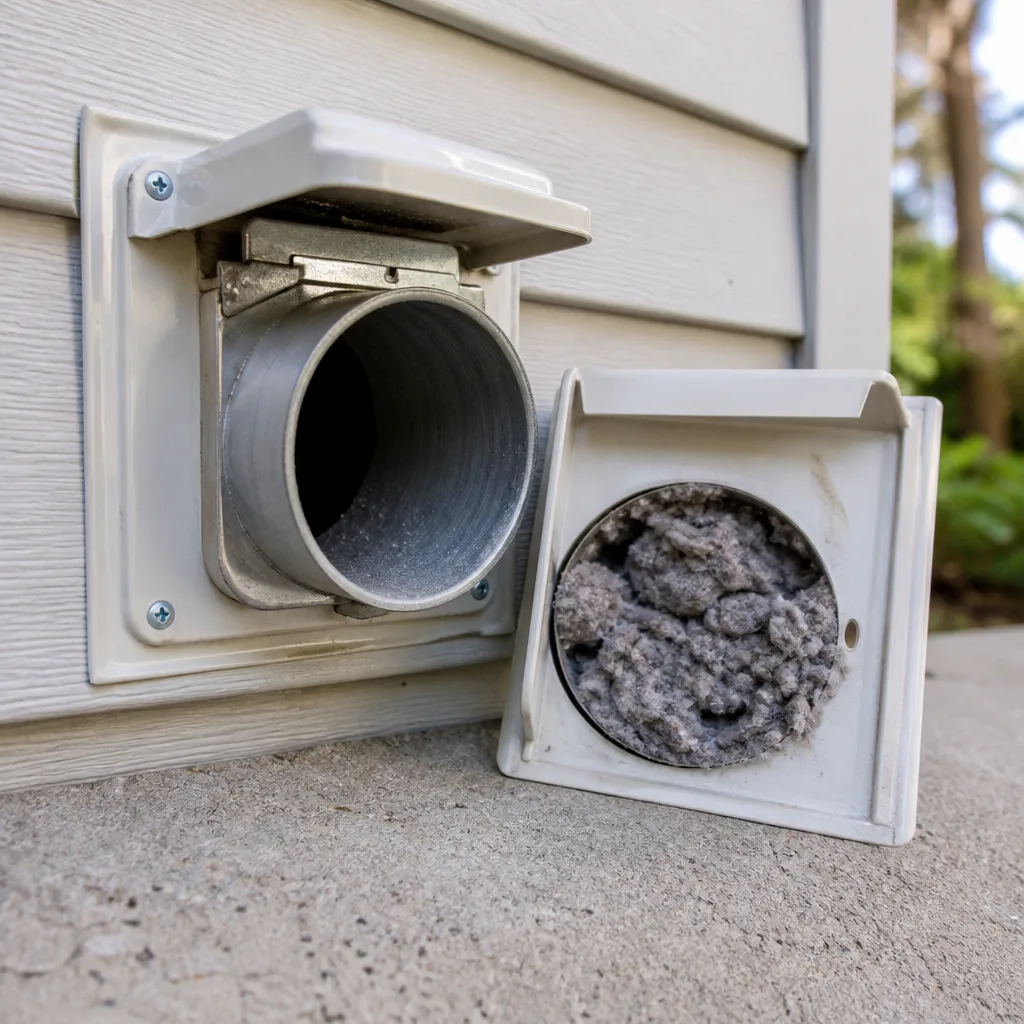 Dryer vent cleaning
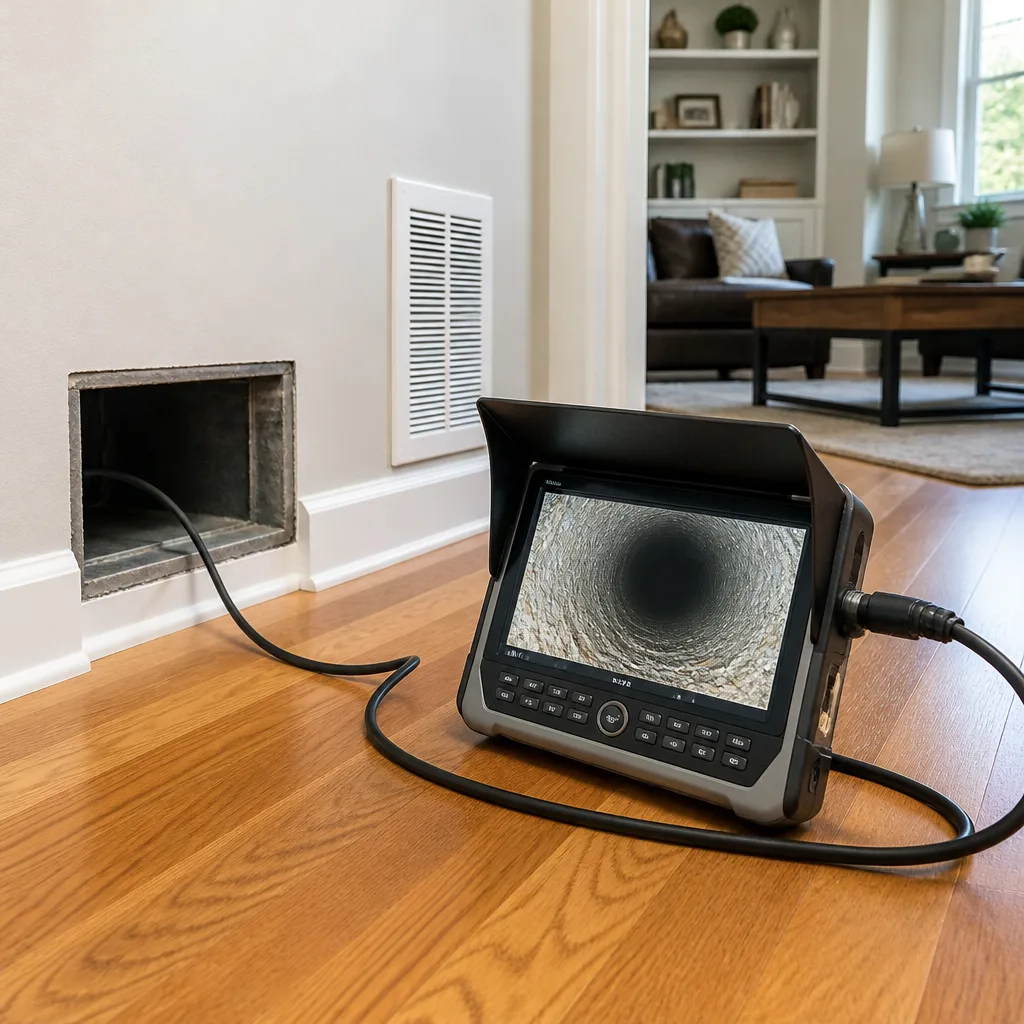 Camera inspection
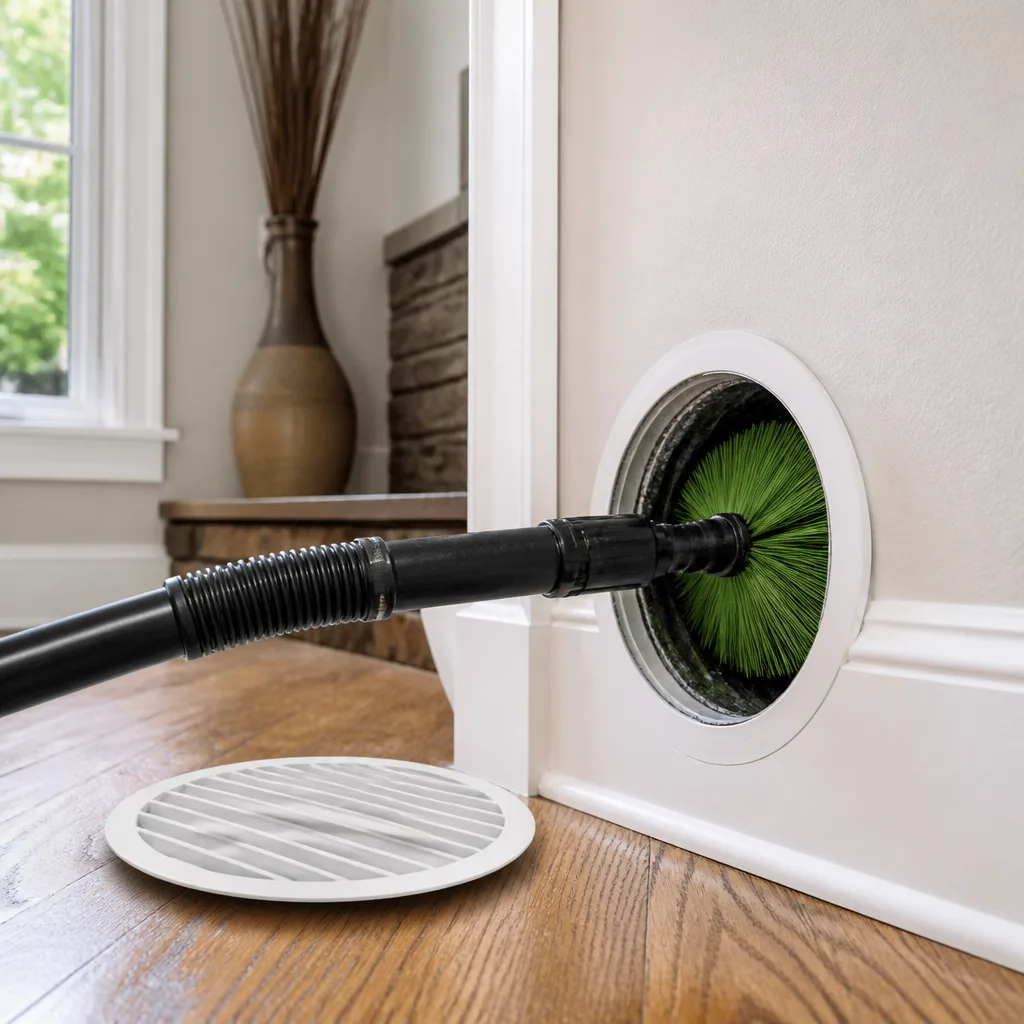 Sanitizing & deodorizing
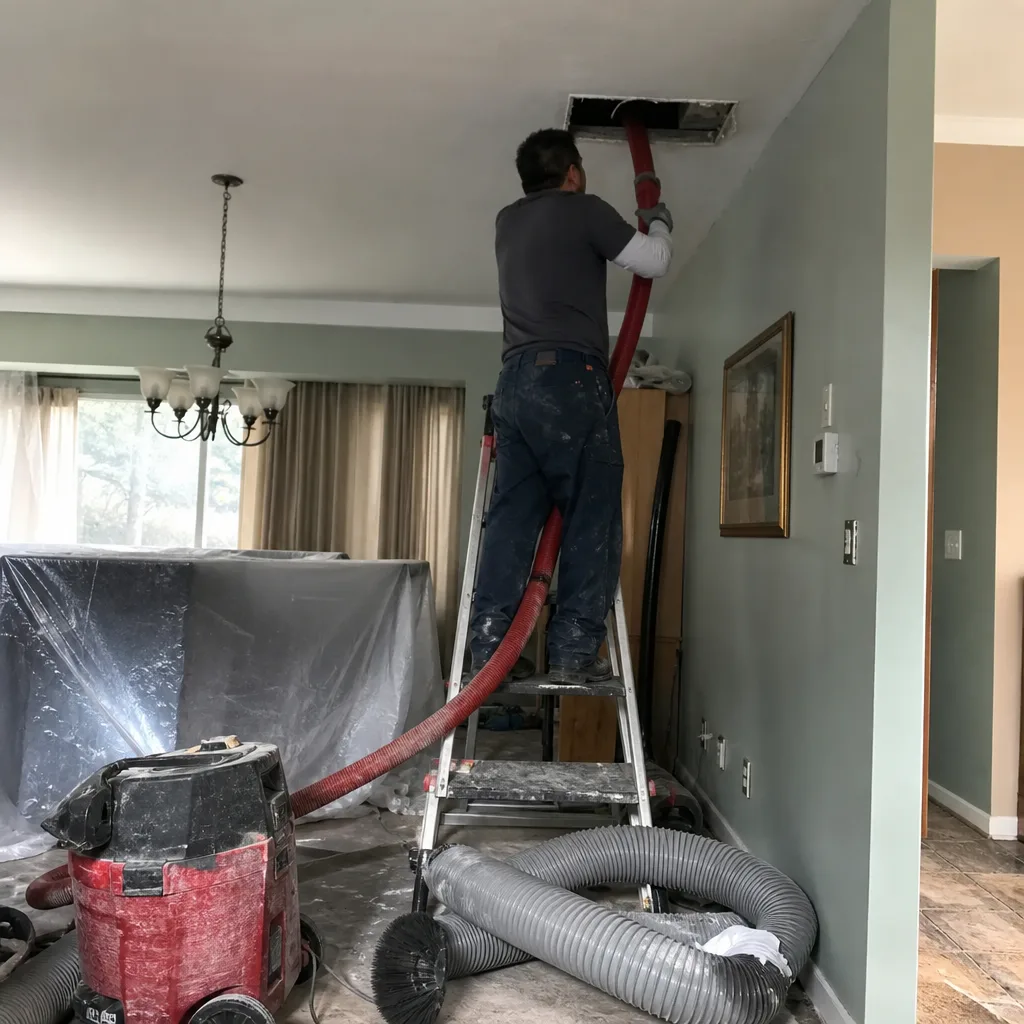
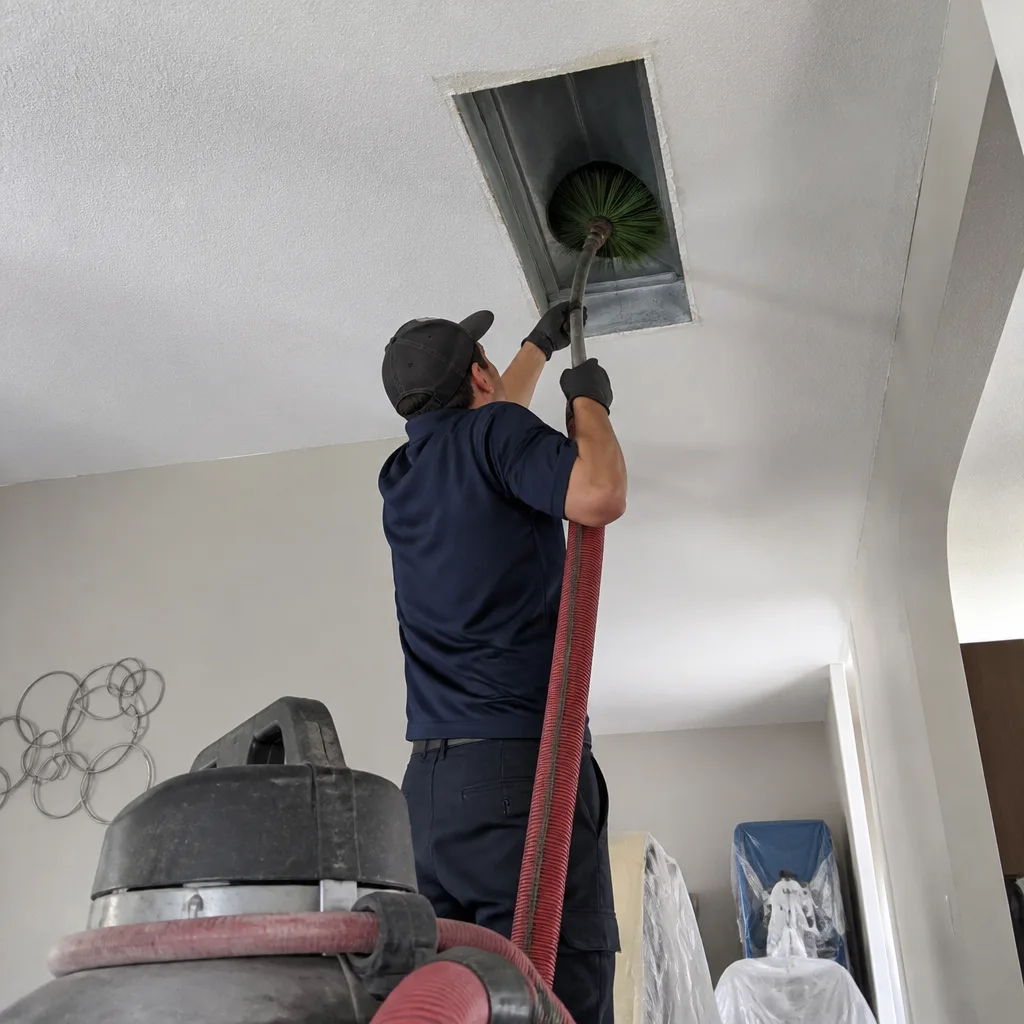
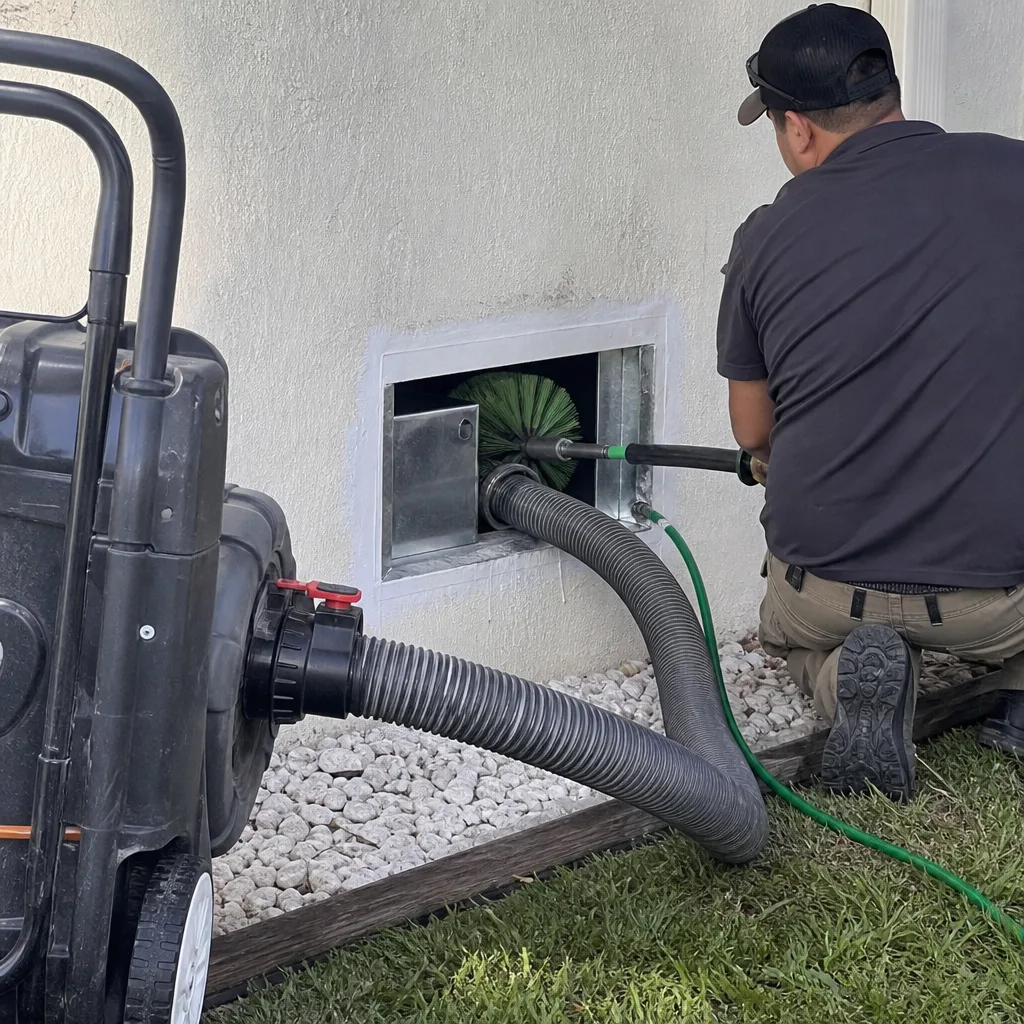
Whole-system duct and dryer vent check with before-and-after photos - you see exactly what came out of your vents
That "$99 whole-house special" is a bait ad - the real number appears once they are in your hallway, or the "clean" is a shop-vac at the register. We photograph the inside of your ducts before and after instead.
Seasonal Air Duct Cleaning Care for Tampa: Year-Round Homeowner’s Guide
Most Tampa homeowners schedule Air Duct Cleaning services in August because the AC is running hard and dust in the vents becomes visible. That instinct is understandable, but it’s the worst month on the calendar for the job. Humidity inside ductwork peaks in August, which means loosened debris clumps instead of getting pulled out cleanly, and moisture lingers on freshly brushed flex duct liner. In January or February, when the air is driest, the same cleaning is faster, more thorough, and easier on your ducts. That gap between when people book and when they should book is what this guide is about. We’ll walk you through the two high-risk seasons and two low-risk seasons for duct care in Tampa, the humidity behaviors that drive them, and how to time filter changes, dryer vent service, and inspections around the local calendar.
Styles & brands we work with
Quick Answer
In Tampa, the best time for air duct and dryer vent cleaning is the dry season from December through February. Schedule your appointment in January or February, replace pleated filters every 30 to 60 days depending on the season, check the dryer vent in March before nesting activity starts, and book a post-hurricane duct inspection if a named storm passed within 50 miles of your home between June and November.
Table of Contents
- Tampa’s Real Duct Seasons: A Two-Window Framework
- What the Wet Season Does to Tampa Ductwork
- The Dry Season Cleaning Window: Why January and February Win
- Post-Hurricane Duct Care in Tampa
- Dryer Vent Timing: Palmetto Bugs, Birds, and Blockages
- A Tampa-Specific Filter Change Calendar
- What Seasonal Duct Care Costs in Tampa
- Common Mistakes to Avoid
- When to Call a Professional
- Frequently Asked Questions
- The Bottom Line
Tampa’s Real Duct Seasons: A Two-Window Framework
Tampa doesn’t have four seasons for air ducts. It has two high-risk windows and two low-risk windows, and understanding them changes when and how you maintain the system. The two high-risk windows are the humidity spike in June, when condensation inside ducts becomes an everyday event, and the post-hurricane dust season in October, when storm debris and construction dust find their way into return-air systems. The two low-risk windows are December through February, when dew points drop into the 50s and 40s, and late April through early May, a short stretch of lower humidity before the summer pattern locks in.
In our experience with homes from South Tampa to Wesley Chapel, the families who think about ducts in these terms spend less on maintenance over a five-year period than families who follow a generic “annual reminder” schedule. For more guides & resources on timing your maintenance, explore our blog. That’s because timing determines whether a cleaning lasts 9 months or 14 months.” The same service performed during a low-humidity window simply exposes less duct liner to moisture while the vacuum is running and after it stops. For homes with flex duct, that matters more than most people realize.
What the Wet Season Does to Tampa Ductwork
From June through September, Tampa’s outdoor dew point sits above 70 degrees most afternoons. Inside a vented attic that’s 130 degrees by midday, the air holds water like a sponge. When that saturated air meets the cool surface of an AC supply duct, condensation forms on the outside of the duct jacket. Over a 90-day stretch, this repeated wetting and drying cycle slowly separates the inner liner of flex duct from the insulation layer.
Here’s the sequence we typically see in Tampa homes during the wet season:
- Condensation forms on the duct exterior every afternoon during peak AC operation.
- Moisture wicks through pinholes in the outer vapor barrier, particularly at old foil tape joints.
- Liner adhesive weakens from repeated humidity cycling between the return-air side and the attic environment.
- Micro-particles from degrading liner begin circulating into living spaces, often noticed as a gray film on vents.
- If not caught early, mold spore activity on the damp liner can begin within 30 to 60 days of continuous moisture exposure.
The One Inspection Step That Catches Early Liner Separation
Before the wet season fully locks in, pay attention to your air handler closet or the plenum connection in the attic. Look at the first 18 inches of flex duct leaving the unit. Early liner separation shows up as a slight inward collapse of the inner sleeve when the blower kicks on and a slight ballooning when it cycles off. That pulsing shape is not normal duct movement. In Hillsborough County, we see homes with 10-year-old flex duct that never made it past year 8 without this issue because the wet season is unrelenting here.
If you see that pulse, have the duct inspected. The fix is usually replacing the affected run rather than the whole system, but catching it before mold develops saves thousands. This is part of the routine on our Air Duct Cleaning in Tampa visits during the summer months, and it’s an easy thing for any homeowner to note when they’re changing a filter.
The Dry Season Cleaning Window: Why January and February Win
December through February is Tampa’s dry season, and it’s the most reliable window for duct cleaning and dryer vent work. The dew point drops. The attic is cooler. The air moving through the vacuum holds less moisture, so the brushed liner dries within minutes rather than hours. That dry-liner condition means loosened debris exits the duct instead of clinging to a damp surface, and the cleaned liner stabilizes before the next humidity cycle begins.
There’s a second reason the dry season wins, and it’s purely practical. In January and February, HVAC contractors and duct cleaners aren’t running emergency calls from AC failures or hurricane prep. Scheduling is open. Technicians are not rushing. You can usually book within 48 to 72 hours rather than waiting two weeks as you would in June or October. For a family in Brandon or Carrollwood planning around school and work schedules, that flexibility is real value.
If you’ve been holding off on a full cleaning, January is the single best month on the Tampa calendar. February is a close second. March works but watch the oak pollen. That’s when live oak catkins start falling, and if you clean ducts right before a heavy pollen week, you’re sending a fresh layer of pollen into the system within days. You don’t have to be a weather forecaster to work around this. Just note the oak drop typically peaks in March in the Tampa area, and plan the cleaning for earlier rather than later in the window.
Post-Hurricane Duct Care in Tampa
Tampa homes sit in a hurricane zone, and the October dust season after storm activity is a real but underappreciated duct problem. Even when a home has no flooding, the return-air system pulls in fine limestone dust from construction debris, crushed shell, and drywall gypsum suspended in post-storm air. That dust settles into return ducts, clogs coils, and reduces airflow within weeks.
After a named storm passes within 50 miles of Tampa, there are a few specific checks worth doing on your own:
- Check the return grille. Look at the filter surface and the edges of the grille frame for a fine white or gray film. That’s gypsum and crushed rock dust, not typical household dust.
- Inspect the outdoor condenser. If the coil fins look pasted with a gray-white coating, the return ducts likely pulled in the same material.
- Sniff the supply vents on the first AC cycle after the storm. A stale, mineral smell is another sign of storm dust in the system.
- If you had roof damage or tile work done after the storm, schedule a duct inspection even if the return grilles look clean. Roofing dust travels through the attic and gets drawn in through unsealed joints.
Post-hurricane duct cleaning is different from routine cleaning because the contaminant is heavier and more abrasive. It requires a longer dwell time on return trunks and a final pass on the blower cabinet. At Mortons Air Duct Tampa home service visits in the weeks after a storm, this is the most common issue we see in homes that otherwise look untouched.
When the Post-Storm Dust Season Really Ends
The dust doesn’t stop when the storm passes. In neighborhoods like Westchase and New Tampa where development and roof repair run year-round, construction vehicles keep fine dust in the air through November. If you’re near an active build site, change your filter every 30 days through the end of the year and consider a return-duct inspection in December, when the dry season makes cleaning conditions ideal.
Dryer Vent Timing: Palmetto Bugs, Birds, and Blockages
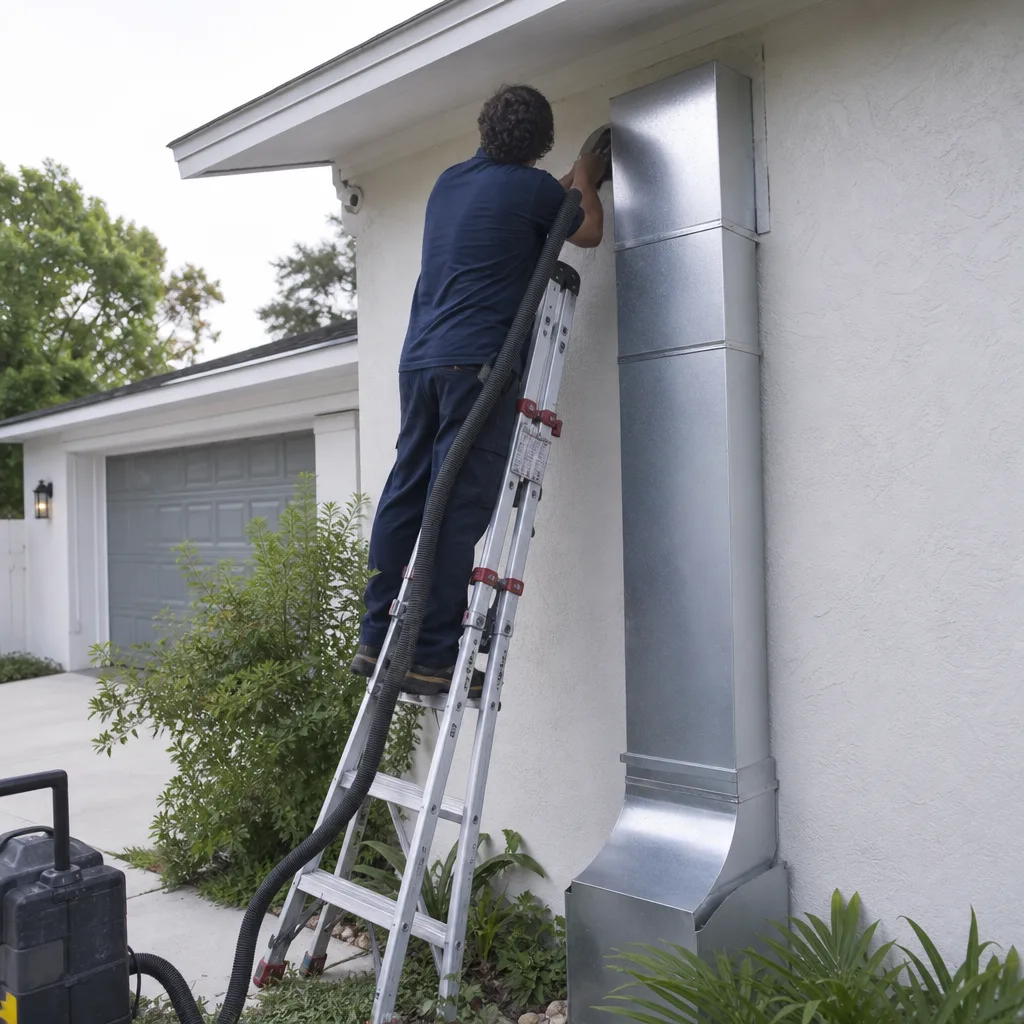
Tampa’s dryer vent problem has a season, and that season is February through April. During those months, birds are nesting and palmetto bugs are moving indoors looking for cooler, darker spaces. An open, unprotected dryer vent with a damaged or missing louver is an invitation to both. We see nests built into vent terminations in neighborhoods throughout Tampa Bay during the spring, and clearing them requires more than a quick vacuum pass.
Here’s what happens when nesting overlaps with lint buildup:
- February to March: Birds search for sheltered cavities. Dryer vent terminations with broken louvers or missing covers are prime real estate.
- March to April: Palmetto bugs enter through the same compromised openings and move through the dryer duct into the laundry room.
- Lint continues to accumulate. Nesting material and insect casings mix with the lint, creating a denser plug than lint alone.
- Dryer cycle times increase. You notice clothes taking two cycles to dry fully, or the dryer top stays warm during the entire cycle.
The preventive step is simple on timing. Schedule Dryer Vent Cleaning in Tampa in late January or early February, before nesting gets underway. During that visit, make sure the outside termination is checked and the louver or screen is in good order. A properly sealed termination with a working damper is the single best defense against both bird and insect entry in the spring.
If you wait until April or May to think about the dryer vent, you’re cleaning up after the nesting rather than before it. That’s a more expensive and messier job, and it often involves removing live insects from the line, which no one in a home with kids or pets wants to deal with.
A Tampa-Specific Filter Change Calendar
Generic advice says to change your HVAC filter every 90 days. Tampa’s pollen and humidity make that advice wrong for about half the year. The live oak drop in March clogs prefilters faster than any other single event on the local calendar, and the wet season’s extra indoor dust means a pleated filter is working harder by July than it would in most climates.
A schedule that fits Tampa’s pollen and humidity pattern looks like this:
- December through February: Change every 60 days. Pollen is low and the system is running less, but return-air dust from the dry season still accumulates.
- March through April: Change every 30 days. Live oak catkins and oak pollen are at their peak. A heavily loaded filter cuts airflow and forces the blower to work harder.
- May through June: Change every 45 to 60 days as the early wet season begins and indoor activity shifts back to the AC.
- July through September: Change every 30 to 45 days during peak humidity. The system is running almost constantly, and the filter is pulling more airborne moisture and dust.
- October through November: Change every 30 days after any storm event or if construction is active near your home. Dust from debris and building work clogs filters within weeks.
If you have a MERV 11 or higher pleated filter, the March and post-hurricane windows become even more important because those filters load faster and restrict airflow sooner when they’re dirty. We recommend a visual check every two weeks in March and after storms, regardless of the calendar.
What Filter Loading Looks Like in Tampa’s Wet Season
A filter in a Tampa return-air system in July may look dry on the intake side, but the air stream it’s filtering is humid. Moisture catches a portion of the dust load and makes it sticky, which means the filter’s pressure drop rises faster than it would in a drier climate. Families who switch from a basic 1-inch filter to a 4-inch media cabinet with a quality filter from Honeywell or Aprilaire often notice the system runs quieter and stays cleaner through the summer. We install and maintain these media cabinets as part of our duct care work, and the difference in wet-season performance is consistent across homes in the Tampa area.
What Seasonal Duct Care Costs in Tampa
For a detailed Air Duct Cleaning Cost Breakdown: The Tampa Homeowner’s Reference for 2026, duct cleaning prices in Tampa vary based on the number of systems, the square footage, and whether the job includes dryer vent service. A single-system home with up to ten vents typically falls in the $350 to $600 range in this market. Homes with two systems or larger square footage run $600 to $900. Dryer vent cleaning as a standalone service is usually $150 to $250, but it’s often combined with duct work at a reduced rate.
Here’s a straightforward breakdown of typical seasonal duct care costs in Tampa:
- Routine duct cleaning, single system (up to 10 vents): $350 to $600
- Routine duct cleaning, two systems or extra-large home: $600 to $900
- Dryer vent cleaning (standalone): $150 to $250
- Duct inspection only (post-hurricane or pre-purchase): $95 to $200
- Flex duct replacement (per run, including labor): $200 to $450 depending on length and attic access
- Filter media cabinet with 4-inch filter (installed): $300 to $700 depending on cabinet width
Why Some Quotes Are So Much Cheaper
The air duct cleaning industry has a reputation for bait-and-switch pricing because many companies advertise a low per-vent rate and then reveal a much higher total once the technician arrives. Tampa is no exception. A $79-per-vent teaser can turn into an $800 invoice when the “access fees” and “sanitizing” charges appear. Legitimate companies in this market price by the system, not the vent, and they put a written price on the table before any work starts.
We price by the system and hand you a written estimate before turning on any equipment. That number doesn’t change once the van is in your driveway. This is the pricing model families in Tampa are looking for after getting burned by the teaser-rate approach, and it’s the only one we’ve ever used.
How Do I Know the Work Was Actually Done?
This is the question we hear most from homeowners who’ve paid for a duct cleaning before and watched a tech spend 30 minutes with a shop vac on two vents. The answer is visual proof. A legitimate cleaning includes before-and-after photos of the return trunk, the supply plenum, and at least one remote vent taken with the same camera at the same angle. If the before photo shows a gray or lint-covered surface and the after photo shows the metal or clean liner underneath, the work was done.
We take photos on every visit, including a clean-up photo of the work area before the crew leaves. You’ll see the rooms as we found them, with drop cloths down and shoe covers on. That’s part of the written record of the job, and it’s part of the 365-Day Done Right Promise: if the work isn’t right, we make it right. No argument, no re-quote, no waiting for a manager.
Common Mistakes to Avoid
- Cleaning ducts in August because the AC is running hard. Humidity inside the ductwork is at its annual peak. Loosened debris clumps and fresh liner stays damp longer. You’ll get a less thorough result than the same job in February.
- Waiting until April to inspect the dryer vent. By then birds and palmetto bugs have had six weeks to move in. Late January to early February is the right window to clear and seal the termination.
- Assuming post-hurricane dust only affects flooded homes. Fine limestone and gypsum dust enters return-air systems through attic joints and open windows, even when the house stayed completely dry.
- Paying by the vent without a written total. If a company quotes a per-vent rate and won’t put a system total in writing, walk away. The final invoice is almost always higher.
- Using a 90-day filter schedule year-round. The live oak drop in March and post-storm dust in October will clog a filter in half that time, reducing airflow and driving up cooling costs.
- Ignoring the pulsing flex duct at the plenum. That slight collapse-and-balloon movement is the earliest visible sign of liner separation. Catching it during the wet season prevents a mold problem later.
When to Call a Professional
Call a duct cleaning company when you see visible mold growth on the inside of a vent cover, when you find rodent or pest evidence in the ducts, when flex duct is visibly sagging or pulsing at the air handler, when a post-hurricane inspection shows gypsum dust on returns, or when every room in the house gets a fresh gray film within days of cleaning surfaces. These conditions are not filter-change problems; they require equipment and access a homeowner doesn’t have. For ongoing care tips, see our Air Duct Cleaning Maintenance Checklist for Tampa Homeowners. Mortons Air Duct Tampa offers free estimates in Tampa, and our technicians use professional equipment from Nikro and Abatement Technologies, not rental gear. Call (850) 738-9748 and we’ll put a written price in front of you before anything else happens.
Frequently Asked Questions
Air duct cleaning in Tampa typically costs $350 to $600 for a single-system home with up to 10 vents, and $600 to $900 for a larger or two-system home. The price depends on system size, access difficulty, and whether dryer vent service is added. Call (850) 738-9748 for a written estimate for your specific home; the number we quote is the number you pay.
January is the best month to clean ducts in Tampa, with February a close second. Drier air during those months means the cleaned liner dries fast, debris captures efficiently, and scheduling is more open than in June or October. Avoid cleaning in August, when humidity inside ductwork is at its highest.
In Tampa, a 1-inch pleated filter should be changed every 30 days in March and April (live oak season), every 30 to 45 days from July through September (peak humidity), and every 60 days during the dry season from December through February. A 4-inch media filter can go longer, but still check it every two weeks during March and after any storm.
Because they usually are. Companies that advertise per-vent prices often add on access fees, sanitizing charges, and equipment fees once the technician arrives. Legitimate pricing quotes the whole system with a written total before work begins.
Yes. Post-hurricane air in Tampa carries fine gypsum, limestone, and roofing dust that enters return-air ducts through unsealed attic joints and open windows. Homes that stayed dry can still have significantly clogged returns after a storm. A post-storm inspection is worth scheduling if a named storm passed within 50 miles of your home.
Late January or early February is the right time for dryer vent cleaning in Tampa, before bird nesting and palmetto bug activity begin in the spring. Cleaning in April or May often means clearing existing nests and bugs rather than preventing them. Call (850) 738-9748 to schedule before the nesting window opens.
The Bottom Line
Tampa’s duct care calendar is driven by humidity, hurricane dust, and the live oak pollen cycle more than by any generic “spring and fall” reminder. Clean and inspect the system during the dry season from December through February. Watch for wet-season liner stress in June through September and act on early pulsing at the plenum. Put an extra 30-day filter change in place every March and after every named storm. Check the dryer vent before nesting begins in February. These are small timing adjustments that add up to a longer-lived duct system, cleaner air in the house, and fewer surprise repairs. Written by Mortons Air Duct Tampa owner Paul Adeyemi, serving Tampa homes since 2005.
See the difference
 Before
 After
After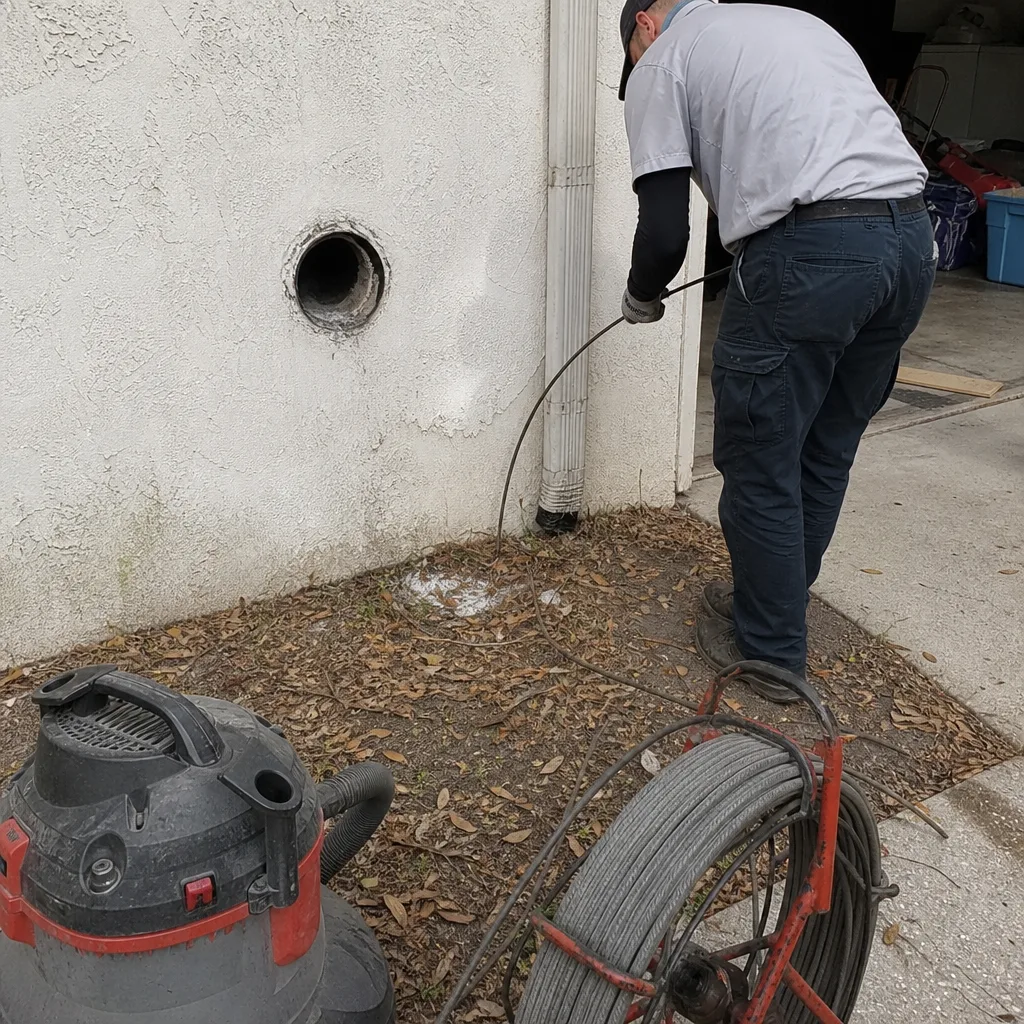 Before
 After
After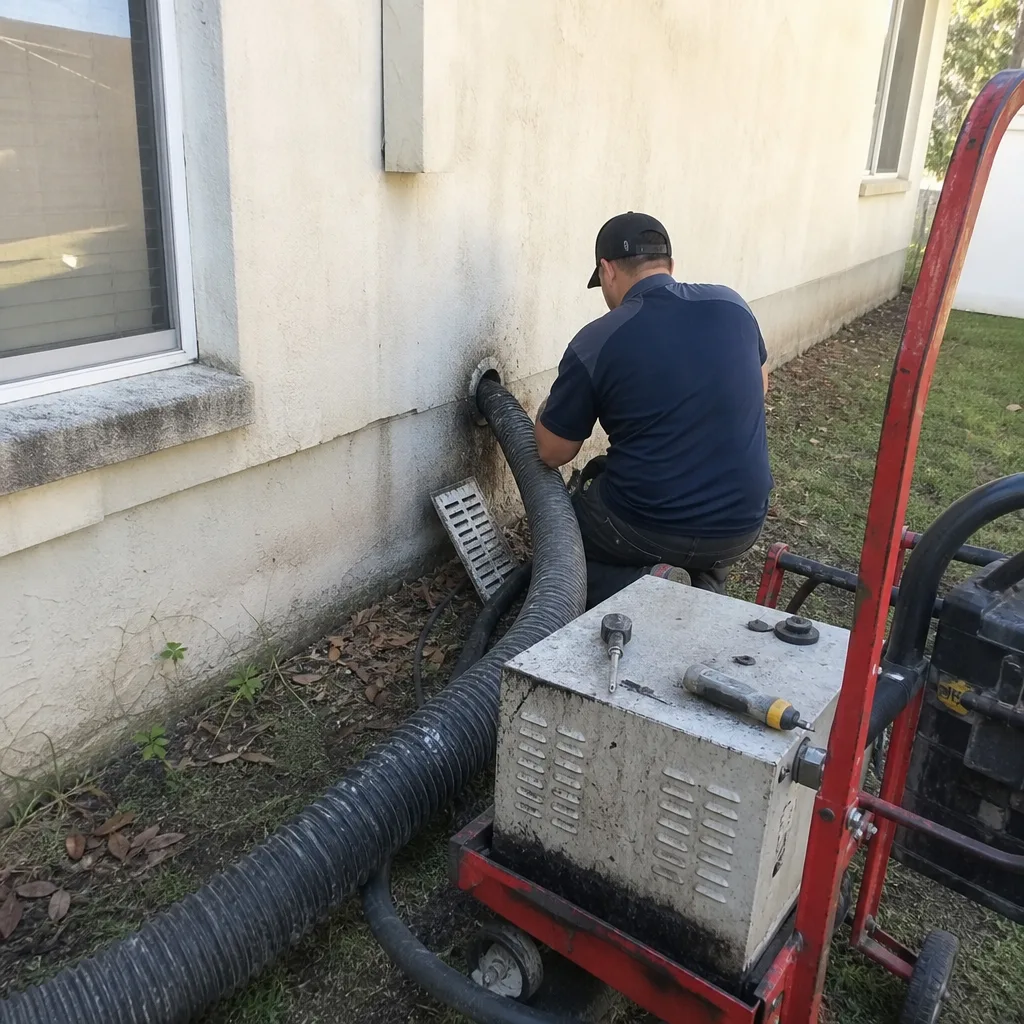 Before
 After
After