
Last updated October 15, 2026
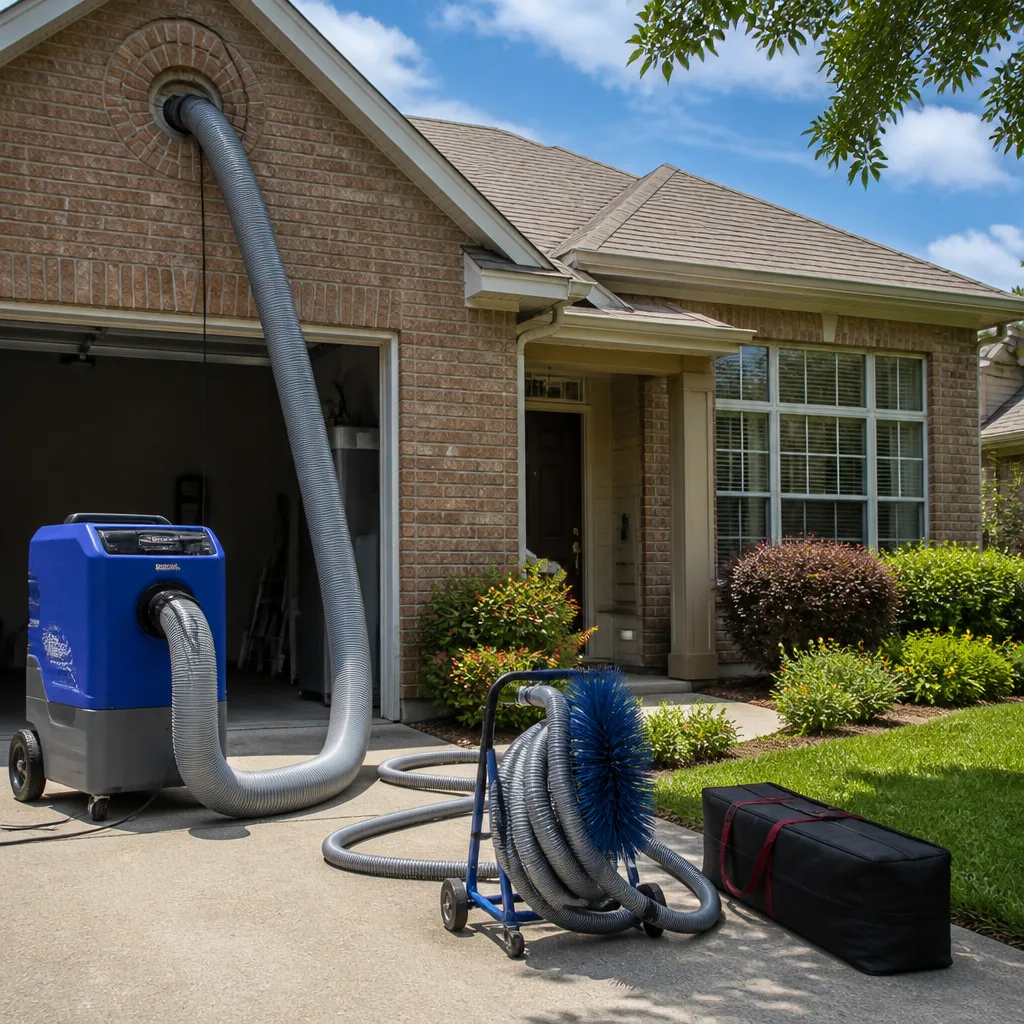 Whole-home duct cleaning
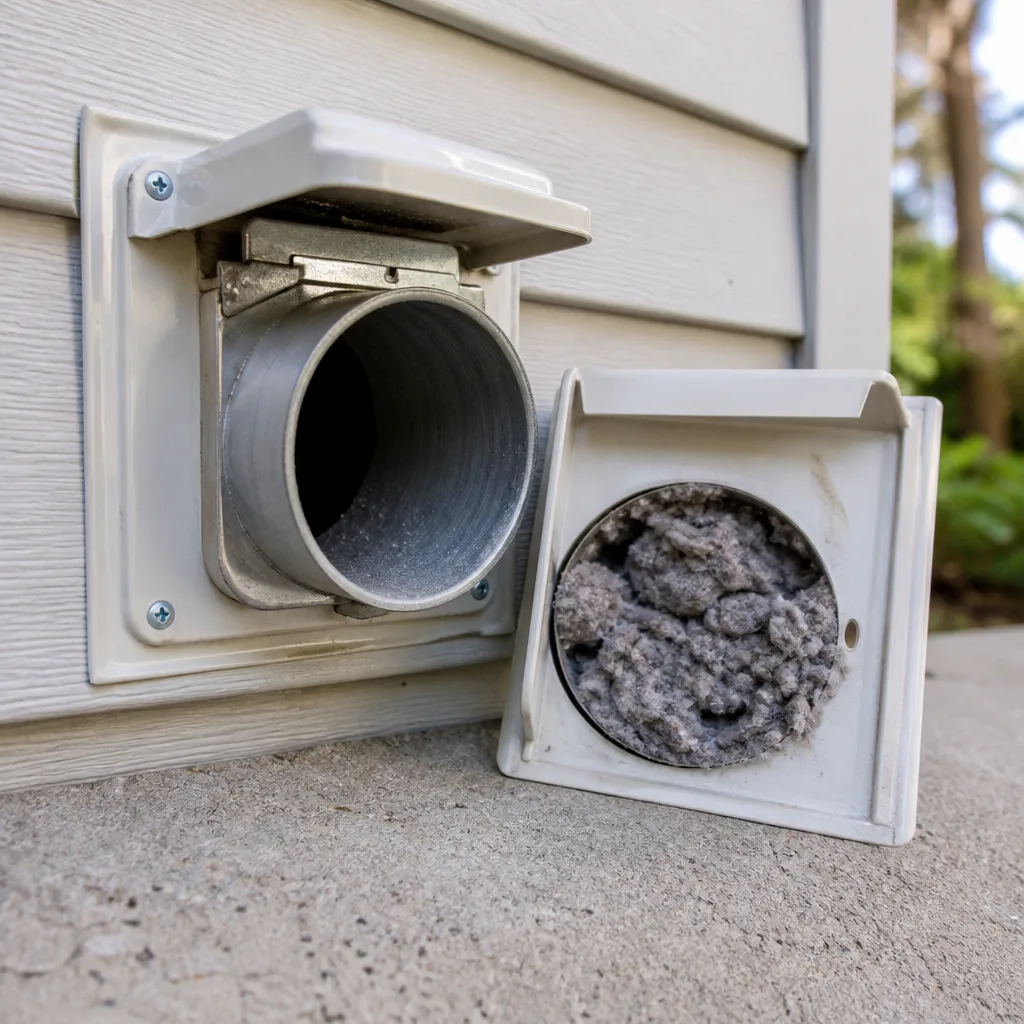 Dryer vent cleaning
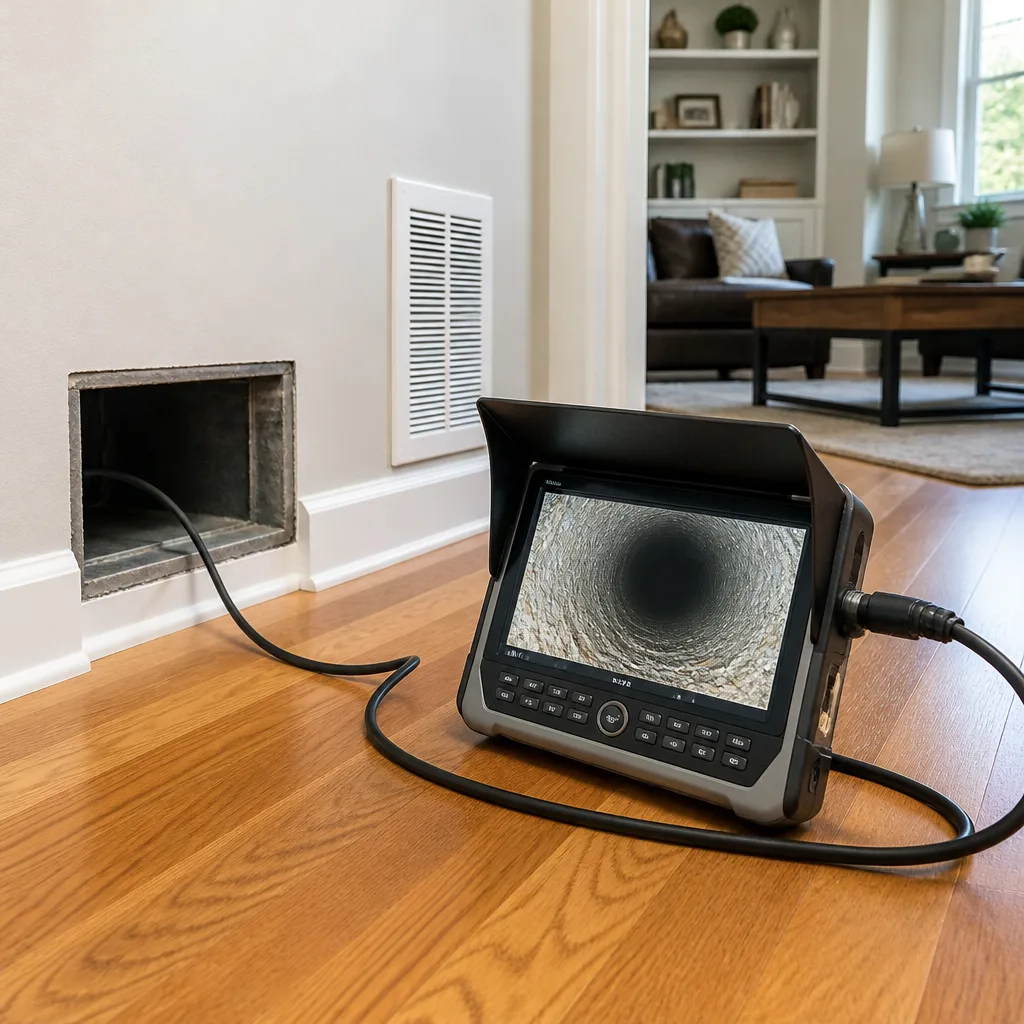 Camera inspection
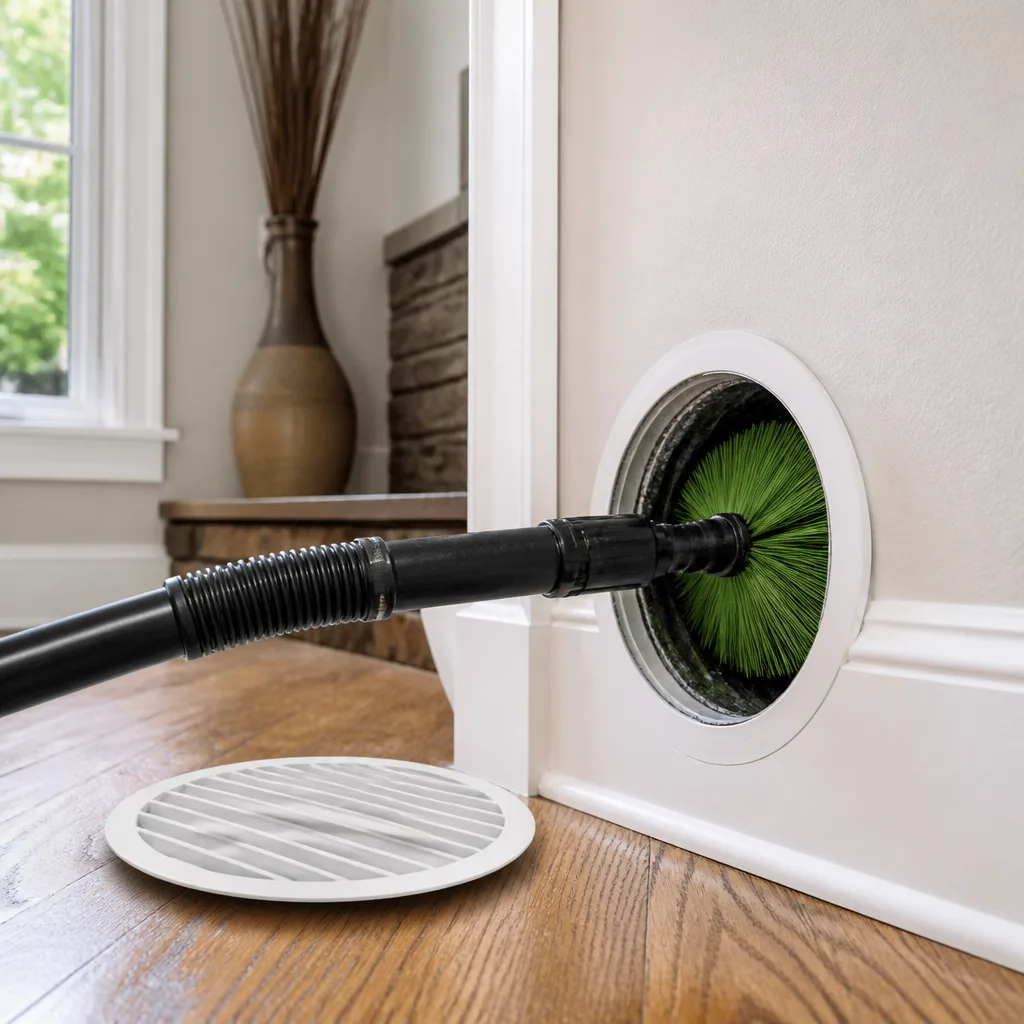 Sanitizing & deodorizing
Whole-system duct and dryer vent check with before-and-after photos - you see exactly what came out of your vents
That "$99 whole-house special" is a bait ad - the real number appears once they are in your hallway, or the "clean" is a shop-vac at the register. We photograph the inside of your ducts before and after instead.
The Complete Guide to Air Duct Cleaning in Tampa
Most air duct guides were written for four-season climates. Tampa hasn’t had a hard freeze since January 1989, which means your ducts never get the biological reset that cold winters provide up north. Mold spores, dust mites, and the fine gray dust that blows in from Tampa’s sandy soil accumulate on a completely different schedule than the 3-to-5-year rule suggests. This guide explains what actually happens inside Tampa ductwork, why the humidity changes everything, and how to know you’re getting a real clean instead of a loud vacuum and an invoice. By the end, you’ll know exactly what questions to ask, what a legitimate written estimate looks like, and how to read the job report afterward.
Styles & brands we work with
Quick Answer
Air duct cleaning in Tampa typically costs $350 to $650 for a whole-home system, takes 3 to 5 hours, and should use negative-pressure source removal equipment, not a shop vac on a truck. In Tampa specifically, the job matters more than in drier climates because our 90% summer humidity turns ordinary dust inside ducts into a damp paste that breeds dust mites and supports mold growth on the lining. A legitimate Tampa duct cleaning includes a written price before work starts, before-and-after photos of the inside of your ducts, and a report that shows exactly what was removed.
Table of Contents
- Why Tampa Ducts Are Different From Every National Guide
- How Much Does Air Duct Cleaning Cost in Tampa?
- How Professional Air Duct Cleaning Actually Works
- Slab Foundations and Return Air: What Tampa Homes Specifically Need
- What a Legitimate Written Estimate Looks Like, Line by Line
- How to Read the Job Report After the Clean
- Why Equipment Matters More in Older Tampa Homes
- Common Mistakes to Avoid
- When to Call a Professional
- Frequently Asked Questions
- The Bottom Line
Why Tampa Ducts Are Different From Every National Guide
Tampa’s climate does three things to ductwork that national guides almost never address. First, our relative humidity sits above 70% for the majority of the year, and during the June-to-September stretch it regularly exceeds 90%. That means the inside of your ducts is never truly dry. When fine dust settles inside a duct in Tampa, it absorbs moisture from the air that passes over the evaporator coil. The result is a slightly damp, slightly sticky coating on the duct walls, which is exactly the environment where dust mites thrive and where mold spores can anchor themselves once they find an organic food source.
Second, Tampa’s soil is sand. Pinellas sand, fine quartz silt from the Gulf beaches, and construction dust from constant development all make their way into homes on shoes, pet paws, and through open doors. Once inside, the return-air system pulls that fine grit into the ductwork. Sandy dust is heavier than ordinary household dust, which means it settles in the horizontal runs and low points of the system instead of staying suspended in the air stream. In our experience cleaning Tampa ducts since 2005, we see a grainy gray-brown deposit in the return trunks of most homes that hasn’t been cleaned in five or more years, and it’s not lint or hair. It’s sediment.
Third, Tampa homes run their air conditioning 9 to 11 months of the year. That’s not a preference, that’s survival. A system that runs nearly year-round pulls more air through the ducts than a northern system that idles half the year. More air volume means more filtration load, and more filtration load means the ducts accumulate more of everything that slips past the filter. The standard 3-to-5-year recommendation that national guides repeat was not written for a system that never stops running.
How Much Does Air Duct Cleaning Cost in Tampa?
Whole-home air duct cleaning in Tampa generally runs $350 to $650, depending on the square footage, the number of supply registers and return grilles, and whether the system has been cleaned in the past. Homes under 1,500 square feet typically fall in the $300 to $400 range. Homes from 1,500 to 2,500 square feet usually land between $400 and $550. Homes over 2,500 square feet, or homes with two separate systems, typically run $500 to $700.
Here’s how that price typically breaks down line by line:
- Inspection and airflow verification: $0 to $75. Many established companies, including ours, include this with the estimate.
- Supply duct cleaning (all registers): $150 to $300. This is the bulk of the labor.
- Return duct and trunk line cleaning: $75 to $150. Often dirtier than the supplies, especially in slab homes.
- Blower fan and cabinet cleaning: $50 to $100. Skip this and the clean air immediately picks up old dirt on its way out.
- Evaporator coil inspection and surface cleaning: $50 to $125. Vital in Tampa humidity, where coil mold is common.
- Sanitizing fog or antimicrobial application: $75 to $150. Optional in many cases; ask if it’s right for your home.
Two things to know about the low end of that range. First, a $99 whole-house special in Tampa is almost always a bait-and-switch. The technician arrives, spends 20 minutes, and then the real invoice appears with add-ons for each vent, each return, the coil, the blower. Second, you should never pay per vent. A per-vent price structure creates an incentive to rush through each one. We price air duct cleaning in Tampa as one flat rate per system, agreed in writing before the equipment comes off the truck. If you’re getting a quote, ask the person on the phone: is this the full price for the entire system, or is that per vent? The answer tells you a lot about how the actual visit will go.
How Professional Air Duct Cleaning Actually Works
Professional air duct cleaning in Tampa should follow a specific sequence. Here’s what a legitimate job looks like, step by step:
- System inspection and airflow check. The technician verifies the system runs, identifies all supply registers and return grilles, and checks the filter. At Morton’s, we protect your floors with shoe covers and drop cloths before any equipment comes inside.
- Access points created. The technician cuts or opens access holes in the supply and return plenums. These are professional 8-inch access ports, not holes jabbed into random duct runs.
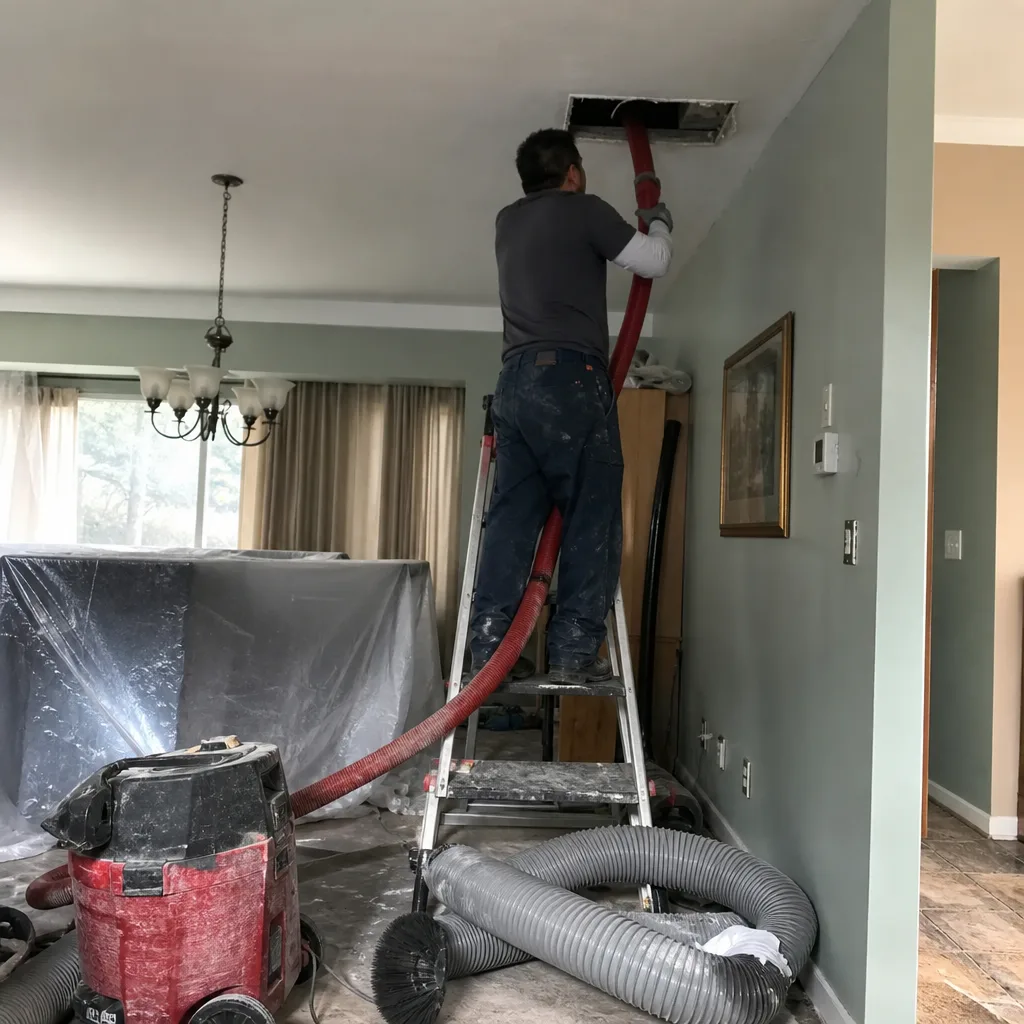
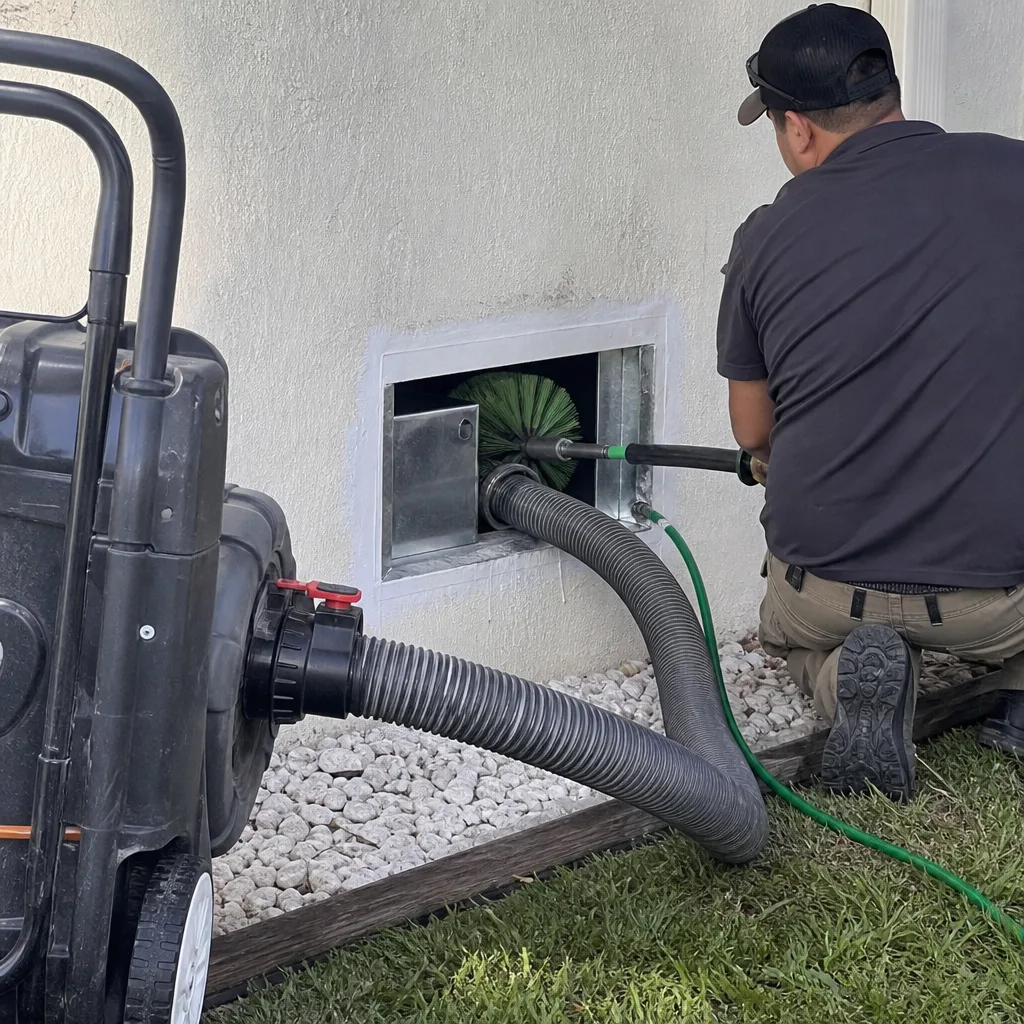
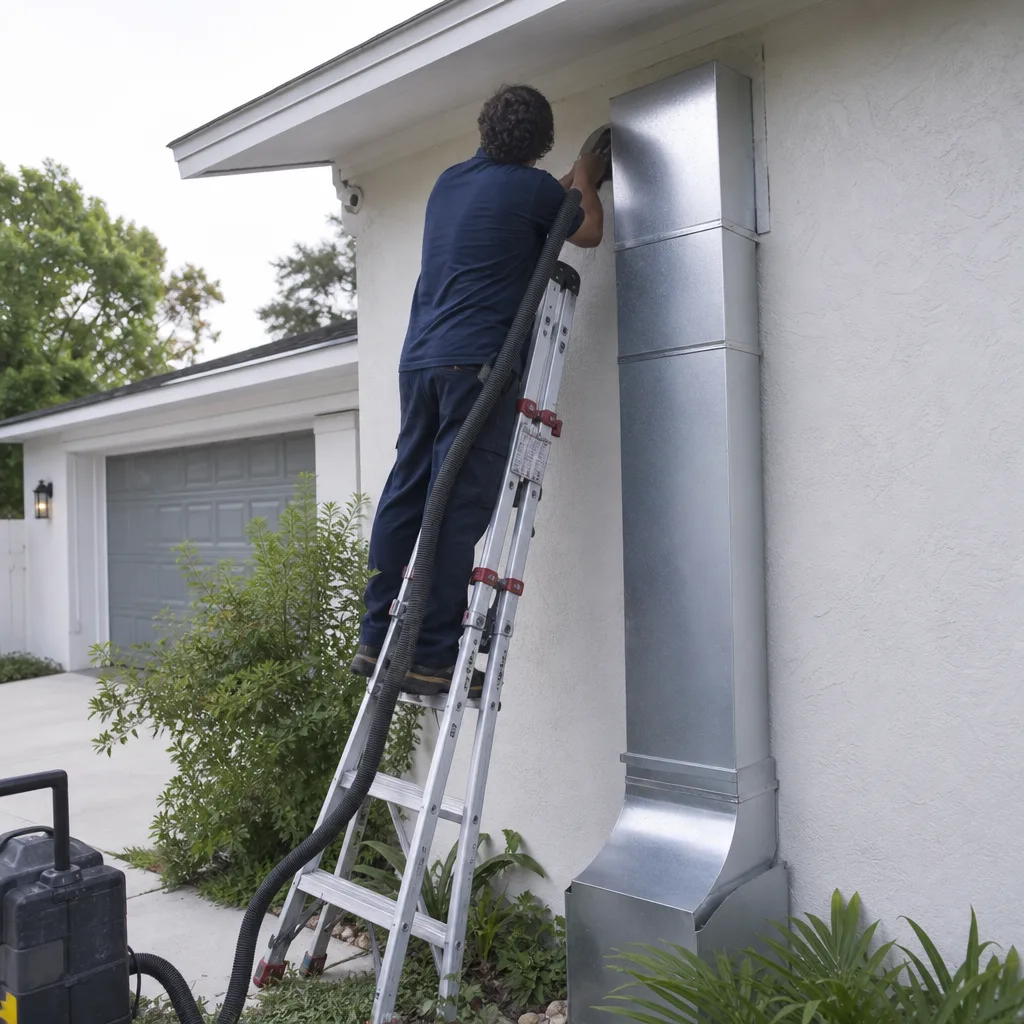
- Negative pressure established. A high-powered vacuum unit (a truck-mounted unit or a portable HEPA-filtered unit from a brand like Rotobrush or Nikro) is connected to the system, creating continuous suction that pulls loosened debris straight into the collection canisters instead of recirculating it into your living room.
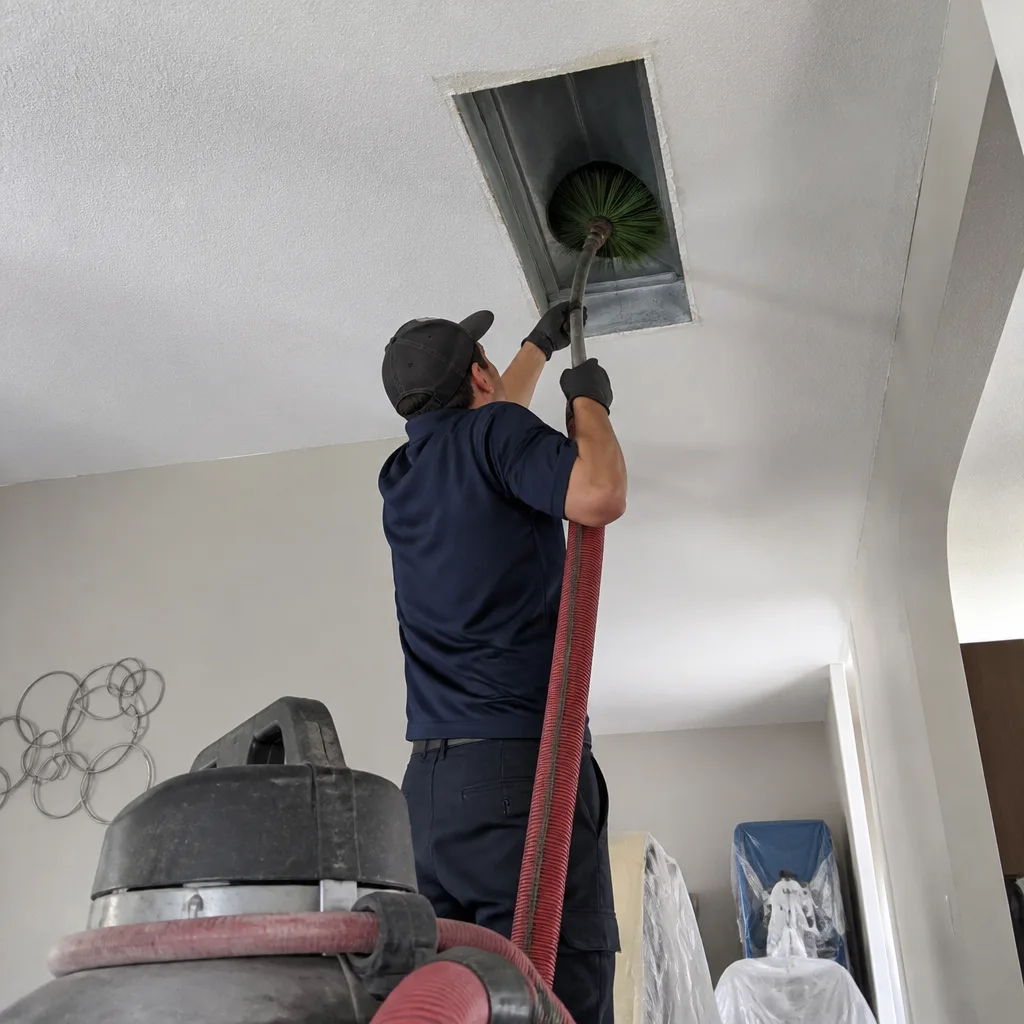
- Mechanical agitation. Rotating brushes, air whips, or skipper balls run through each duct run to scrub the walls loose. This is the step that separates real cleaning from a blow-and-go job.
- Supply registers cleaned. Each register cover is removed, washed, and the register boot is cleaned by hand and with the vacuum line.
- Return air system cleaned. The return trunk, return drop, and blower cabinet get the same attention as the supplies. Many companies rush this because returns are in the garage or a closet, out of sight.
- Blower fan and coil checked. The blower wheel gets brushed clean, and the technician inspects the evaporator coil for the mold and dust buildup Tampa humidity promotes.
- Before-and-after photos. You should receive photos of the inside of your ducts, taken before and after. If a company cannot show you the inside of your ductwork, you cannot verify the work was done.
- Filter replacement and system reassembly. Access ports are capped, registers are reinstalled, and the system is run to confirm proper airflow.
A real clean on a 2,000-square-foot Tampa home takes 3 to 5 hours. If a crew is in and out in 45 minutes, they didn’t clean the ductwork. They vacuumed the first six inches of a few registers.
Slab Foundations and Return Air: What Tampa Homes Specifically Need
Most Tampa homes built between 1950 and today sit on concrete slab foundations. That’s standard for Florida construction, but it creates a ductwork configuration that national guides rarely mention: return-air pathways that run through the slab or through tight chases in interior walls. What that means in practice is that return air in a Tampa slab home often travels through passages that are harder to reach, harder to inspect, and easier to ignore.
Here’s why that matters. In a house with a basement or crawlspace, the return ductwork is accessible from below. A technician can open it, see it, and clean it directly. In a Tampa slab home, the return may be a sheet-metal chase running between wall studs or a concrete channel under the floor. If the cleaning company uses only a truck-mounted hose and no inspection camera, they literally cannot see whether the return run was cleaned or not. They’re working blind.
The fix is equipment that reaches what the eye cannot see. Rotobrush and Nikro both make rotating brush systems with integrated cameras that let a technician follow the brush head through the duct in real time. When we clean return air systems in Tampa homes in neighborhoods like Seminole Heights, South Tampa, and Carrollwood, the return side is frequently dirtier than the supply side, because returns pull unfiltered air from the living space and the slab chases are never quite sealed. A cleaning that skips the returns cleans half the system. Ask before you book: does the quote include the full return air pathway, and will the technician see it with a camera?
What a Legitimate Written Estimate Looks Like, Line by Line
Before any technician touches your system, you should have a written estimate in your hand. Not a verbal number. Not a text message. A document. Here’s what a legitimate written estimate for air duct cleaning in Tampa includes:
- The scope of work, itemized. Number of supply registers, number of returns, whether the blower and coil are included, whether sanitizing is included or optional.
- One total price. A single dollar amount for the complete job, clearly stated as the full price, not a starting price.
- A list of what’s excluded. Anything that costs extra, such as a severe mold remediation referral or a coil pull-and-clean, should be stated up front.
- Equipment description. The name of the cleaning system (for example, Rotobrush or Nikro) and whether it uses HEPA filtration.
- Protection commitments. Written confirmation that shoe covers and drop cloths will be used. If it’s not written, it’s a promise the technician’s memory may not keep.
- Timeframe. Expected arrival window and estimated job duration.
One more thing worth saying plainly: you should not be asked to sign anything that binds you to extra charges you haven’t agreed to. The written estimate is the agreement. If a Tampa company won’t put the number on paper before the work starts, that’s the red flag that matters most.
How to Read the Job Report After the Clean
A professional air duct cleaning in Tampa should end with a job report, not just a receipt. The report is the difference between knowing what was cleaned and trusting that something happened. Here’s what to look for:
- Before-and-after photos of each major section. Supply trunk, return trunk, at least a few branch runs. If a company cannot show you the inside of your ducts, ask why not. Camera-equipped equipment makes this standard practice in 2026.
- A list of each supply register and each return that was cleaned. Count them. If your home has 14 registers and the report says 12, two were missed.
- Specific findings. Did the technician note excess sand and silt in a particular run? A loose duct connection in the return chase under the slab? A mold patch on the coil that should be monitored? That’s the value of a real technician’s eye.
- What was not done. An honest report tells you what was outside scope, whether that’s a coil pull-and-clean, a repair, or a recommendation to reseal a leaky return.
At Morton’s Air Duct Tampa, the job report includes a photo of the clean-up before the crew leaves. We want you to see that your floors were protected, drop cloths were used, and the house looks the way it should. That’s part of the Cedarwell Care Promise we work to on every job, and it should be standard practice for anyone you hire in Tampa.
Why Equipment Matters More in Older Tampa Homes
Tampa has tens of thousands of homes built between 1960 and 1990, and those homes share a few characteristics that make equipment quality matter more than it does in newer construction. Older Tampa homes often have: fiberglass or flex duct that has sagged over time; returns that were retrofitted rather than designed; and years, sometimes decades, of accumulated debris hardened into a cake along the bottom of the duct runs. You cannot clean that with a hose alone. You need mechanical agitation.
That’s the difference between a truck-mount vacuum-only system and negative-pressure source removal with rotating brushes. A vacuum-only setup can pull loose debris out of a clean duct. It cannot break loose the compacted layer that years of Tampa humidity have baked onto the duct walls. Negative-pressure source removal, using equipment from brands like Rotobrush and Nikro, creates suction while simultaneously scrubbing the duct surface with a rotating brush or air whip. The debris is loosened and immediately captured, not blown around.
There’s a second reason equipment matters here: HEPA filtration. If the vacuum unit on the truck or the portable unit in your home does not have HEPA filtration, the finest particles, including dust mite feces and mold spores, are exhausted out of the unit and often right back into your yard, your garage, or your living space. A professional system from an industry-trusted brand, like the Rotobrush line or Nikro’s negative air machines, filters the exhaust to 99.97% at 0.3 microns. You can’t see that difference from the curb, but you breathe it for weeks afterward.
Common Mistakes to Avoid
- Hiring based on the lowest price only. A $99 whole-house special in Tampa is not a whole-house clean. It’s a 20-minute demo that becomes a $600 invoice once the add-ons appear. Ask before you book whether the price includes every register, both returns, the blower, and the coil.
- Paying per vent. Per-vent pricing rewards speed, not thoroughness. One flat price per system, agreed in writing, is the only pricing structure that aligns the contractor’s incentive with your interest.
- Skipping the return air system. In Tampa slab homes, the returns are often dirtier than the supplies. A cleaning that skips the returns cleans half the system. Confirm the return trunk and return drop are in the scope of work.
- Ignoring the coil. In 90% summer humidity, the evaporator coil is the wettest, mold-friendliest surface in the system. Cleaning the ducts but leaving a filthy coil means the air is re-contaminated on its way out. At minimum, the coil should be inspected and surface-cleaned during any duct cleaning in Tampa.
- Not asking for photos. If the company cannot show you the inside of your ducts before and after, you have no way to verify the work. Camera-equipped equipment makes photo documentation standard practice.
- Believing the 3-to-5-year rule without adjustment. Tampa’s year-round AC use and summer humidity compress the effective cleaning cycle. Many Tampa homes with pets or kids genuinely need cleaning every 2 to 3 years. Others run clean longer. The right interval depends on your specific home, not a national guideline.
- Choosing a company that keeps no record of the visit. A job report with photos and findings is proof of work. If the company’s only artifact is a receipt, you’ve learned nothing about what was inside your ducts.
When to Call a Professional
Call a professional for air duct cleaning in Tampa when you notice any of these: visible dust blowing from the registers when the AC kicks on, a persistent musty smell that worsens with the air running, black or gray streaks around the supply grilles, or heavy dust accumulation on furniture within a week of cleaning the house. Also call if you’ve just completed a renovation that produced drywall dust, which coats duct interiors and works its way through the system for months. If anyone in the home has respiratory sensitivity, allergies, or asthma, a documented duct cleaning with before-and-after photos gives you a baseline you can actually compare against next year.
If you have a dryer vent in Tampa that hasn’t been cleaned within the past year, that’s a separate but related service with its own safety stakes, and it’s worth addressing at the same visit. Mortons Air Duct Tampa offers free estimates in Tampa, and a live person answers the phone 24/7 at (850) 738-9748.
Frequently Asked Questions
Whole-home air duct cleaning in Tampa typically costs $350 to $650, depending on home size, the number of registers and returns, and the condition of the system. A flat rate per system, agreed in writing before work starts, is the industry’s honest pricing model. Call (850) 738-9748 for a free estimate with exact numbers for your home.
Quotes below $200 for a whole-home job are almost always per-vent bait pricing, where the advertised number covers a fraction of the work and the real invoice comes later. Tampa’s legitimate market rate starts around $300 for smaller homes. Before you book, ask whether the quote includes every supply register, every return, the blower, and the coil, and whether it’s per vent or one flat price per system. Our guide to hiring a Tampa air duct contractor covers the key questions to ask.
Ask for before-and-after photos of the inside of your ducts, taken with a camera-equipped cleaning system. Read the job report and confirm the number of registers and returns cleaned matches the number in your home. A company that can’t show you photographic evidence of the work either doesn’t own the right equipment or didn’t do the job. At Morton’s, we also photograph the clean-up before the crew leaves, so you can see your floors were protected the whole time.
In Tampa, most homes with pets and kids benefit from air duct cleaning every 2 to 3 years, not the 3-to-5-year national standard. The reason is simple: our AC systems run nearly year-round, and our summer humidity turns ordinary duct dust into a damp substrate for dust mites and mold. A home with no pets, no smokers, no recent renovation, and a new AC system may run clean for longer, but Tampa conditions compress the schedule for nearly everyone else.
If the smell comes from the ducts themselves, a proper cleaning with mechanical agitation and HEPA-filtered negative pressure removes the odor source. See our comparison of DIY vs professional air duct cleaning for Tampa homeowners to understand what proper equipment looks like. But the evaporator coil is the more common culprit in Tampa, where condensation on the coil feeds mold growth that then blows through the house. Any legitimate duct cleaning should include coil inspection and surface cleaning. If the coil needs deeper attention, a good technician will show you a photo and explain the options.
Yes, when the crew uses HEPA-filtered negative pressure so debris isn’t recirculated into the living space, and when the technician protects floors with shoe covers and drop cloths. At Morton’s Air Duct Tampa, our technicians work to the Cedarwell C.A.R.E. values, which means we use quieter tools when we can, we keep product choices pet-safe, and we work around nap schedules when you tell us they exist. If you have a toddler napping at 1:00, tell us. We’ll plan around it.
If your dryer vent hasn’t been cleaned in the past year, doing it at the same visit saves a second service call. It’s a separate job with its own equipment and safety considerations, but Tampa’s humidity makes dryer lint stickier and more prone to packing the vent run, and an obstructed dryer vent is a fire risk worth taking seriously. Ask the company if they can schedule both services on one visit.
The Bottom Line
Tampa’s climate creates duct contamination patterns that generic national guides don’t describe, and treating Tampa ducts like a generic cleaning job is why so many homeowners are calling another company six months later. Get a written flat-rate price before work starts. Confirm the return air system is included. Ask what equipment will be used and whether it includes HEPA filtration and a camera. Read the job report and look at the photos. A legitimate cleaning takes hours, costs in the $350 to $650 range for most Tampa homes, and leaves you with documentation, not just a receipt. Mortons Air Duct Tampa has been doing it this way since 2005, and you can reach a live person at (850) 738-9748 any time.
If you’re just starting to research companies, begin with Mortons Air Duct Tampa home to learn more about how we work.
Written by Paul Adeyemi, Owner at Mortons Air Duct Tampa, serving Tampa since 2005. Browse our more guides & resources on indoor air quality.
See the difference
 Before
 After
After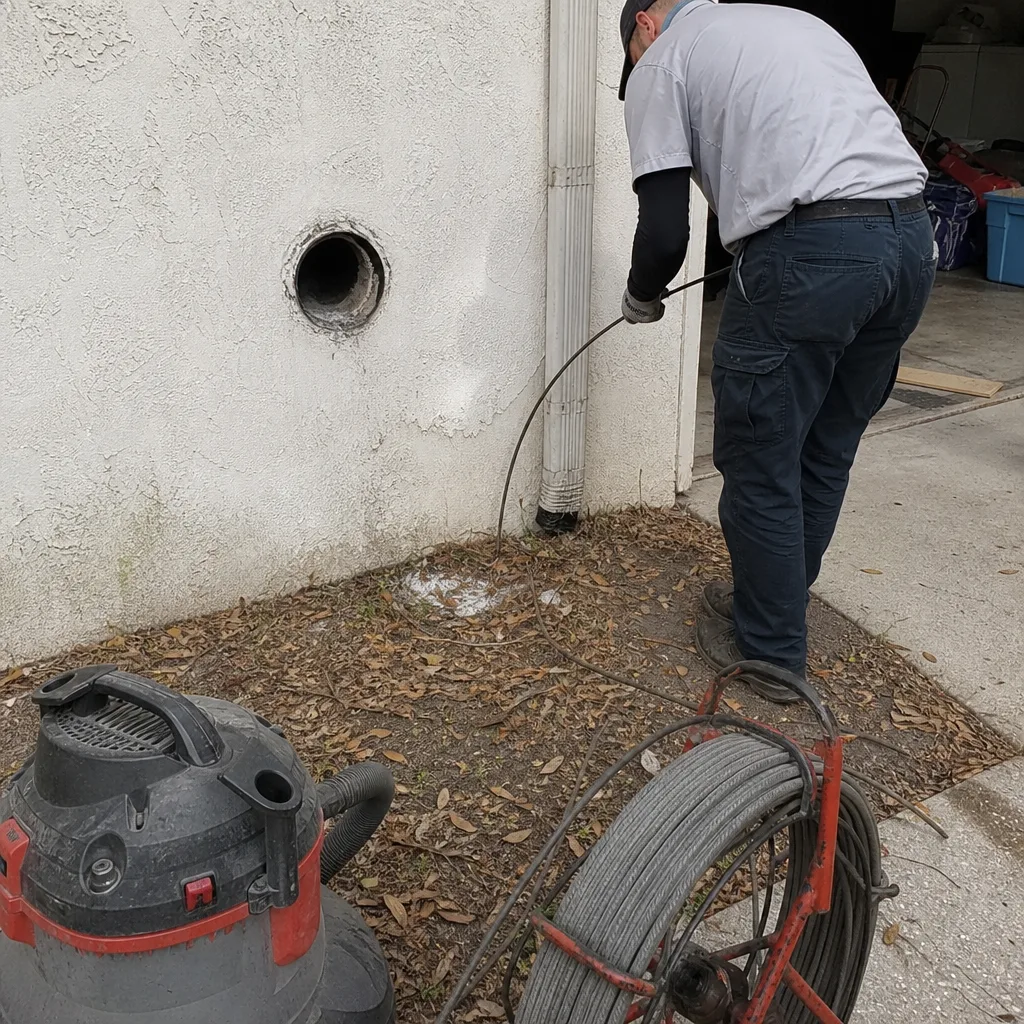 Before
 After
After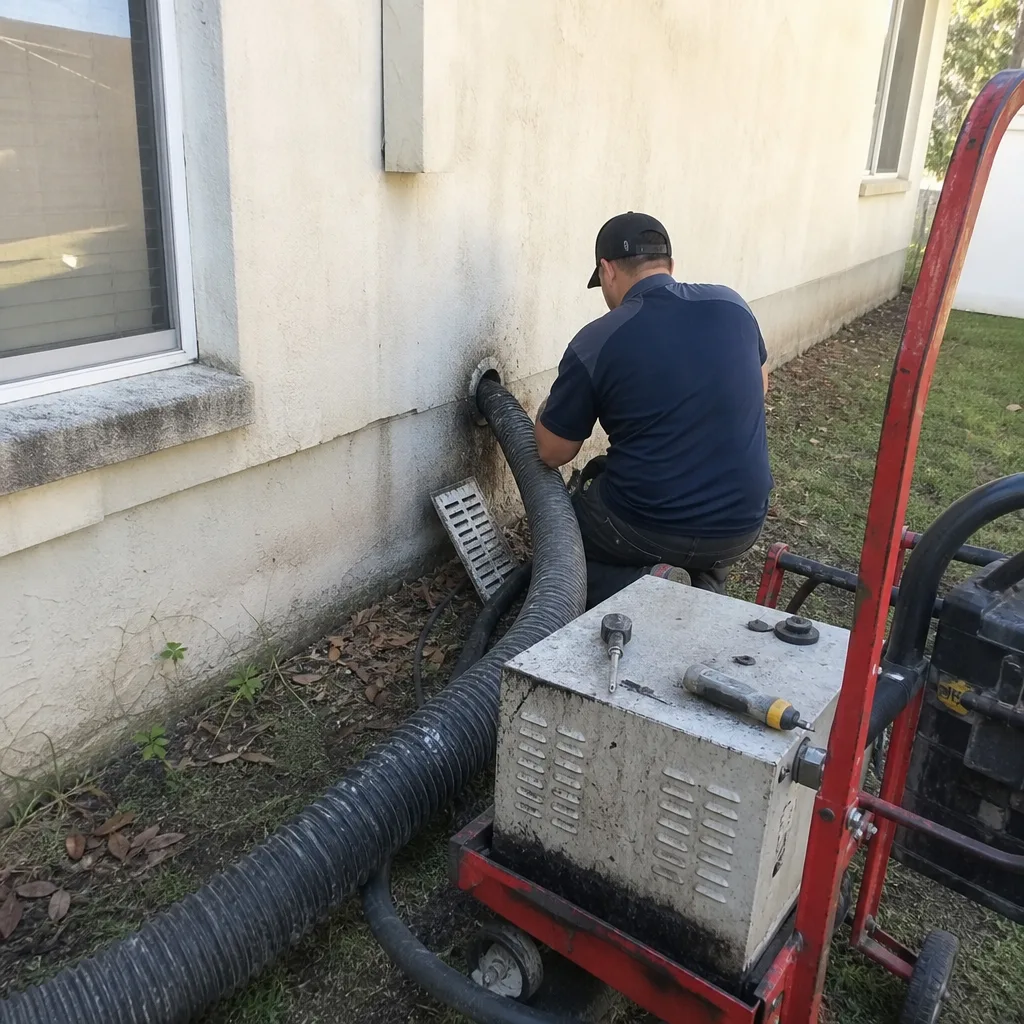 Before
 After
After