
Last updated October 15, 2026
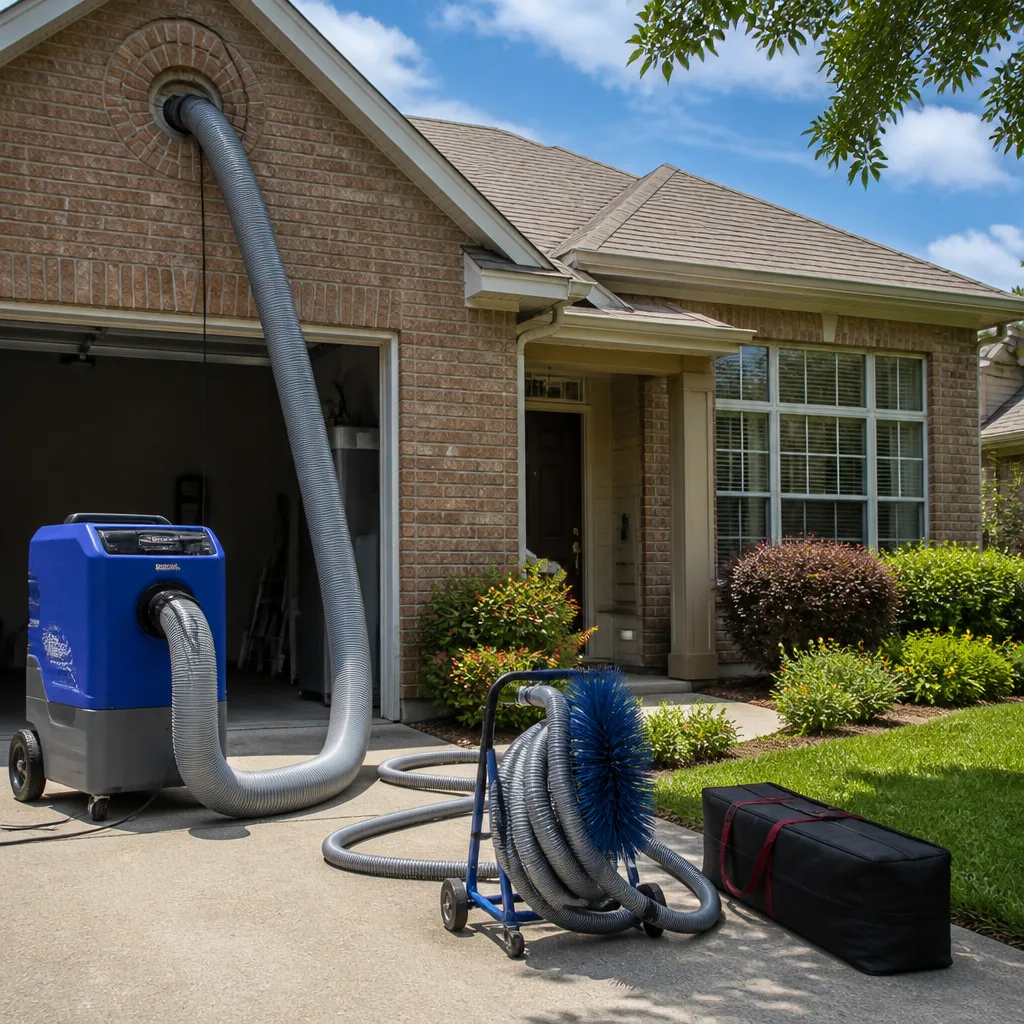 Whole-home duct cleaning
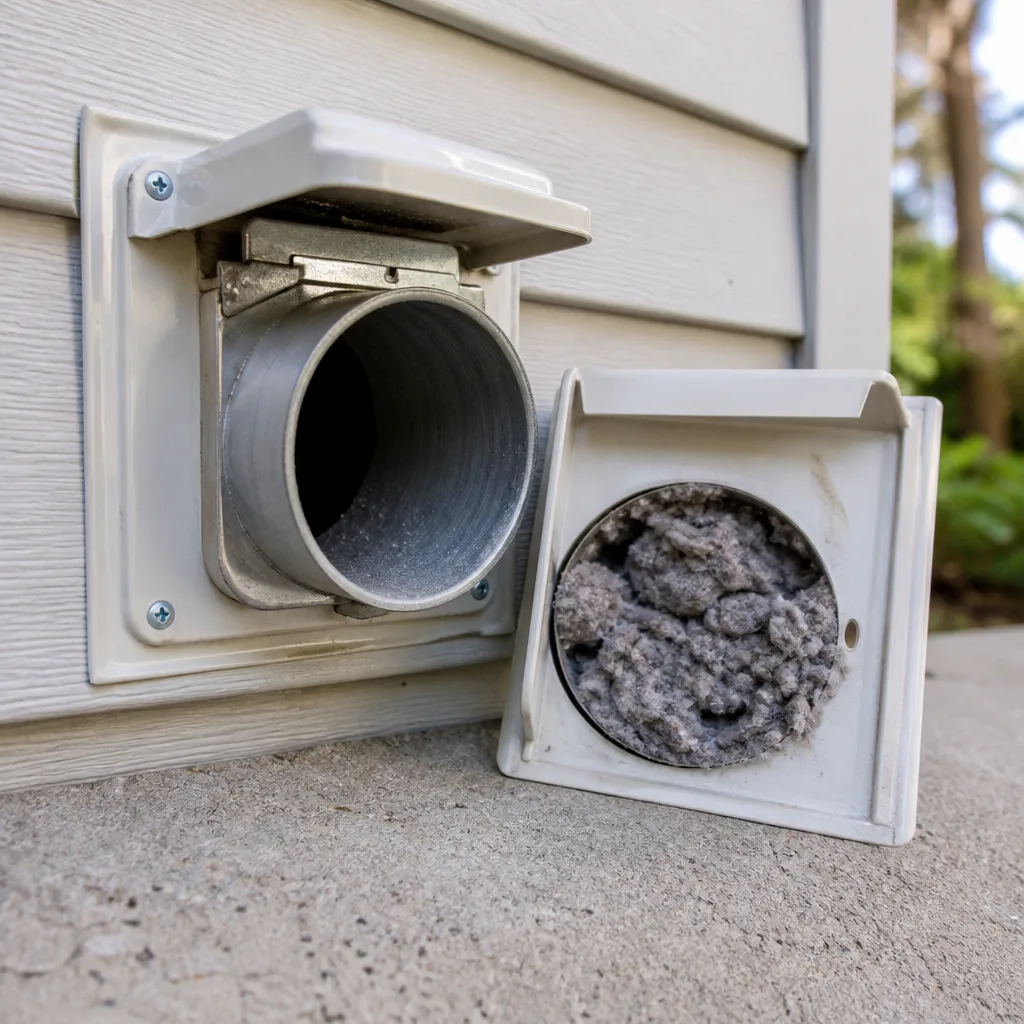 Dryer vent cleaning
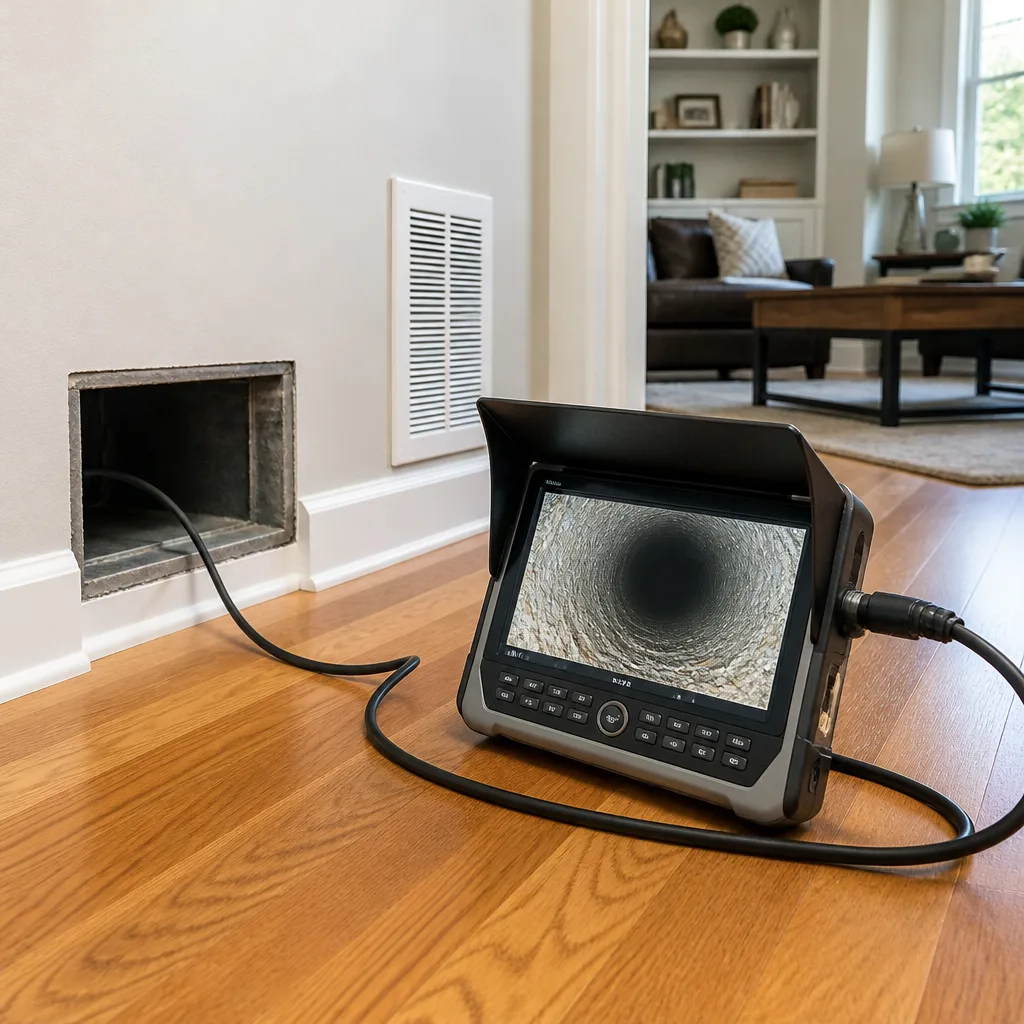 Camera inspection
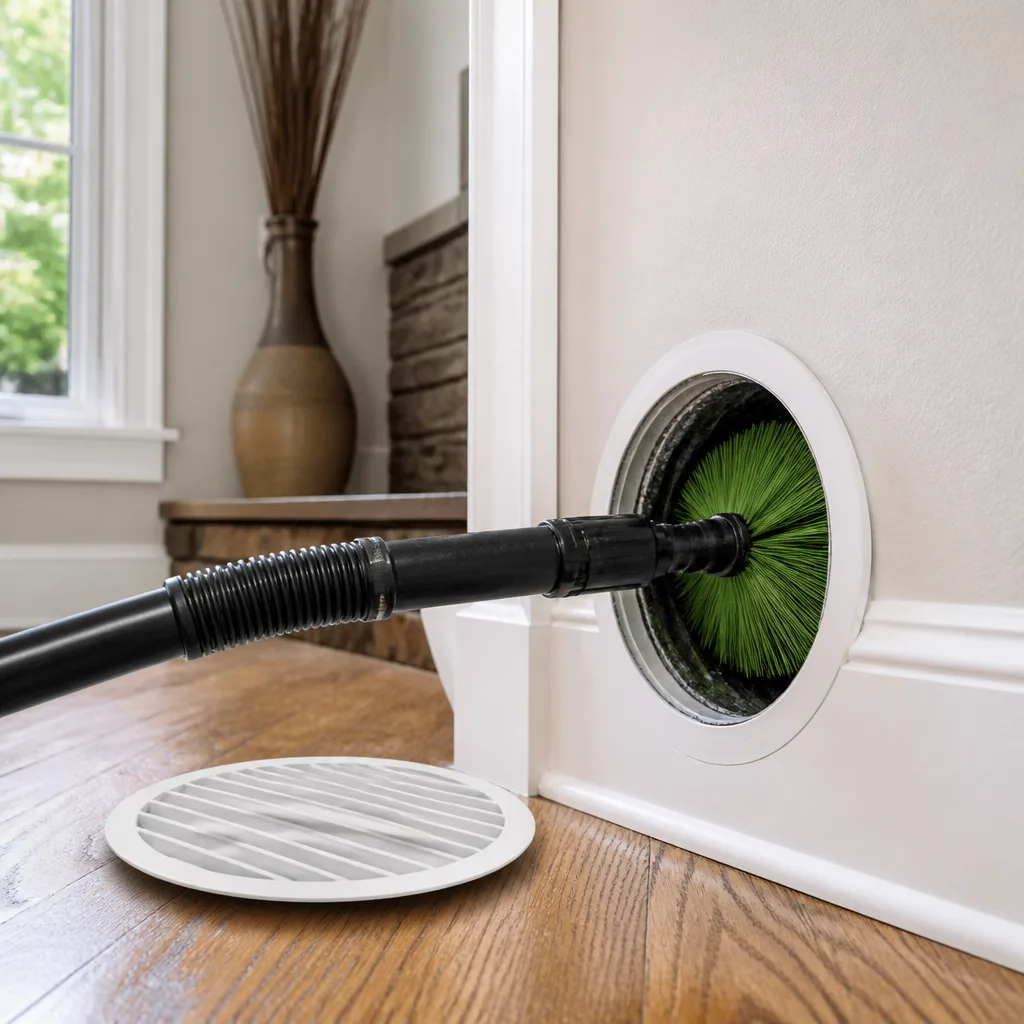 Sanitizing & deodorizing
Whole-system duct and dryer vent check with before-and-after photos - you see exactly what came out of your vents
That "$99 whole-house special" is a bait ad - the real number appears once they are in your hallway, or the "clean" is a shop-vac at the register. We photograph the inside of your ducts before and after instead.
Air Duct Cleaning Maintenance Checklist for Tampa Homeowners
The most useful thing a Tampa homeowner can do for their air ducts costs nothing: stand at each supply register for ten seconds on the first of every month and notice whether the airflow feels different than last month. That single habit catches most developing problems before they show up on an air quality test. Most Tampa homes run their AC for nine or ten months a year, which means dust, pet dander, and humidity move through those ducts constantly. This guide gives you a month-by-month maintenance routine calibrated to Tampa’s specific climate, not a generic list that treats a Florida home like one in Ohio.
Styles & brands we work with
Quick Answer
A smart air duct maintenance checklist for Tampa homes is a monthly habit: check airflow at every register, inspect the air filter, note any new dust rings or musty smells, and watch the condensate drain. That routine takes about 15 minutes. A professional cleaning is a separate task, typically needed every 2 to 4 years depending on pets, kids, and whether your home backs up to construction or oak trees, and our Air Duct Cleaning services can handle it when the time comes.
Table of Contents
- The Monthly Checklist That Actually Works in Tampa
- How Tampa’s Seasons Change What to Check
- What You Can See and Smell Versus What Needs a Camera
- The One-Notebook Logging System
- How Pets and Kids Change the Inspection Rhythm
- The Day Before a Professional Visit
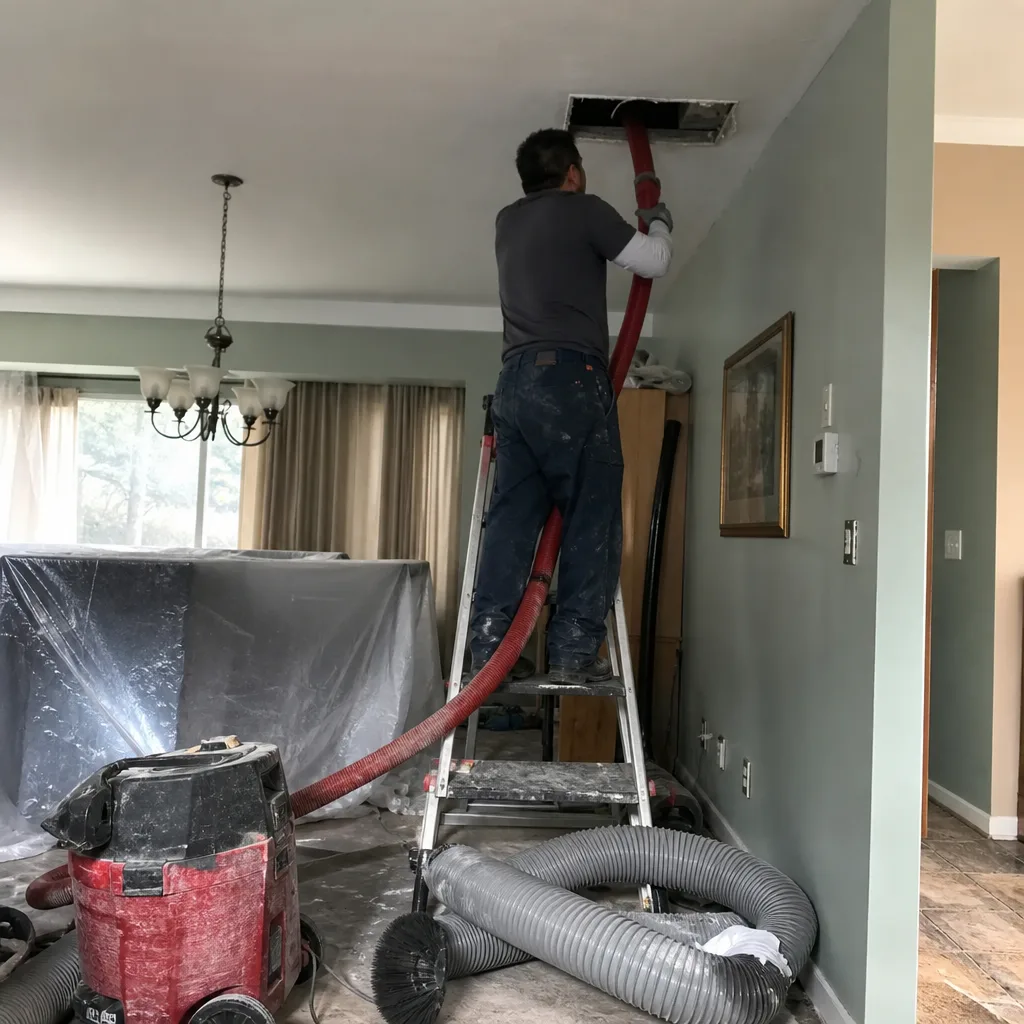
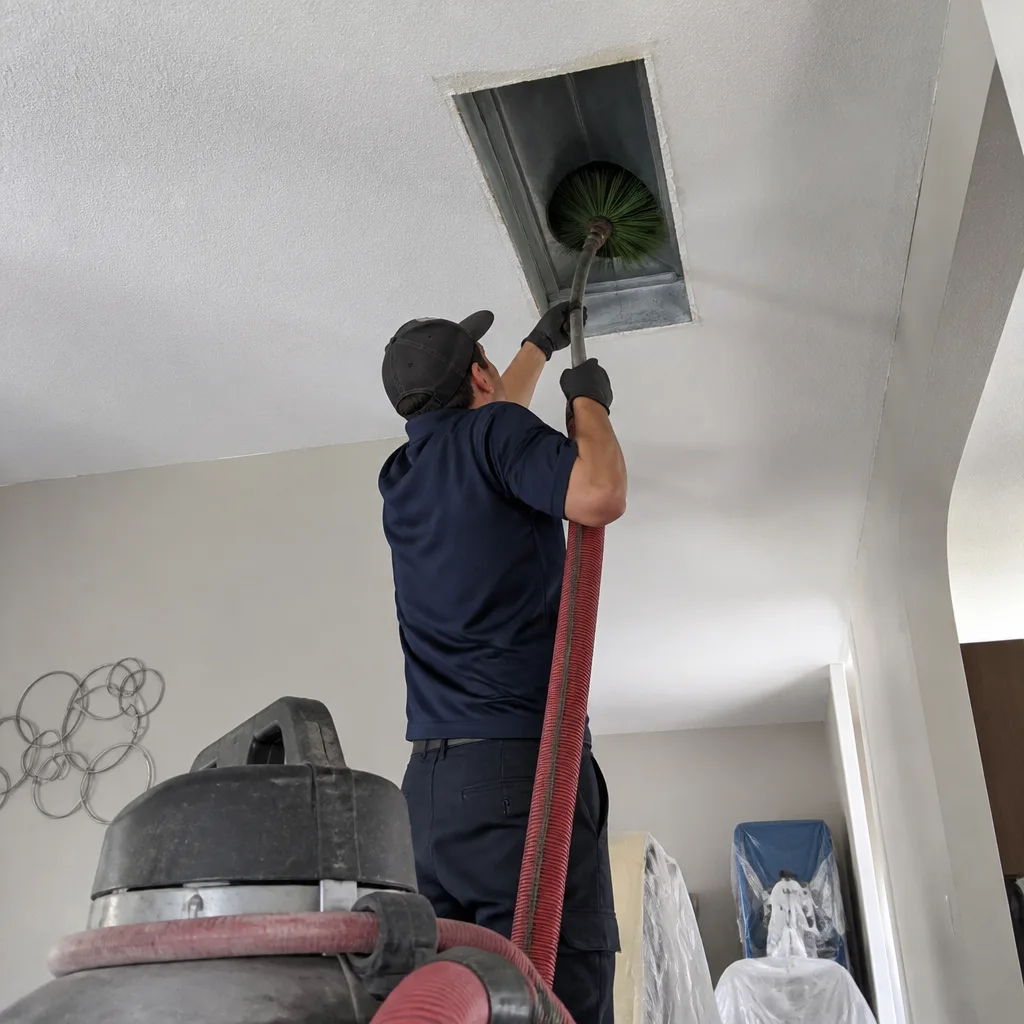
- What Professional Equipment Actually Does
- Common Mistakes to Avoid
- When to Call a Professional
- Frequently Asked Questions
- The Bottom Line
The Monthly Checklist That Actually Works in Tampa
Here’s what no one tells you about duct maintenance: the people who stay ahead of it don’t clean more often. They notice more often. A monthly walkthrough that takes 15 minutes beats an annual deep-clean in catching problems early, because duct problems in Tampa move fast once humidity gets involved. Mold can start in a duct system within 48 to 72 hours when moisture sits in the 77-degree dark that defines a Florida attic for most of the year.
Here is the monthly routine we recommend to families across Tampa, from Westchase to Seminole Heights to Brandon:
- Walk every room and feel the airflow. Hold your hand at each register for five to ten seconds. Weaker than last month in one room means something changed: a damper slipped, a flex duct got pinched, or a filter is loading up.
- Look at the register face. Dust rings that reappear one week after wiping them down mean dust is bypassing or overwhelming the filter. Take a phone photo each month so you have a comparison.
- Check the filter. Hold it up to a light bulb. If you can’t see light through it, it’s done, regardless of the 90-day claim on the packaging. Tampa’s pollen and construction dust age a filter faster than the label predicts.
- Sniff the supply air. Stand near a vent while the AC is blowing. A damp, musty, or slightly sweet smell is not “normal Florida.” It’s either microbial growth in the duct, a clogged condensate pan, or both.
- Listen at the return grille. A whistling or wheezing sound means the system is pulling hard against a dirty coil or a collapsed filter. That forces debris through the seams.
- Check the condensate line. Look at the PVC pipe near your air handler. Slow drips on a humid Tampa afternoon are fine. No water during a hot, sticky day means the line is clogged and the backup is heading somewhere you don’t want it.
That’s the whole monthly routine. No special tools. No opening panels. Just observation on a schedule, so problems show up as a difference from last month instead of a surprise.
How Tampa’s Seasons Change What to Check
Tampa doesn’t have four seasons. It has four chapters, and each one changes how your ducts behave. A checklist that ignores this will have you looking at the wrong things at the wrong time.
January and February: The Dry Window
This is the most useful two months on the Tampa calendar for inspection. Relative humidity drops enough that you can actually see dust accumulation in the visible sections of duct, and you’re less likely to be fooled by condensation. If you only open your return grille once a year to look inside, do it in February. What looks damp in July might be bone-dry dust in January, and the dry truth is the one you can act on.
March through May: Pollen Load
Oak, pine, and grass pollen hit Tampa hard in spring, and that pollen finds your return grille. Filters clog faster, dust rings widen, and the system has to work harder. This is when you double the filter check to every two weeks, even if the packaging says 90 days. A $12 filter swap beats a $400 blower motor repair.
June through September: The Stress Test
Peak humidity turns every tiny condensate problem into a potential mold situation within days. Homeowners in South Tampa, Carrollwood, and New Tampa report the same pattern: a minor drain clog in May becomes a musty odor and water stains by July. Check the condensate behavior weekly during this stretch if your air handler is in the attic, and monthly if it’s in a closet or garage.
October through December: Construction Dust
Fall is when Tampa’s renovation and roofing season peaks, right as the rain returns to kick construction dust into the air. If a neighbor re-roofs or a builder starts a teardown within two blocks, check your filter at least twice that month. Construction fines defeat standard filters quickly. Change early, not on schedule.
What You Can See and Smell Versus What Needs a Camera
There’s a clean dividing line between homeowner territory and technician territory, and knowing it saves you money. A homeowner checklist should catch the clues that live in the living space. The inside of the ducts themselves is a different story.
On Your Checklist
- Dust rings on registers. These form where air spills around the damper edge. They’re an early warning.
- Uneven room temperatures. A room that’s 3 to 5 degrees off the rest of the house suggests a duct-based airflow issue, not a thermostat issue.
- Musty or damp smell at startup. That’s moisture sitting somewhere it shouldn’t.
- Visible dust on surfaces. If you dust a shelf and it’s gray again in 48 hours, the duct system is likely delivering particles, not just failing to catch them.
- Filter condition. A filter loaded with black or green residue in one month is a signal, not a problem to ignore.
On a Professional’s Camera
Inside the duct, a trained technician with a push camera or scope can see what you can’t: mold colonies on the plenum walls, pest nesting in the return chase, cracked flex duct delivering conditioned air into the attic, and rust that indicates long-standing moisture. None of these show up at the register, which is why a professional inspection and cleaning has value beyond what a homeowner can replicate. We’ve seen Tampa attics with perfectly clean registers and a coating of construction debris sitting in the trunk line from a renovation completed years earlier.
The One-Notebook Logging System
The word “checklist” implies a list you check off. Better than that is a log. A simple spiral notebook by the air handler, or a notes app if that’s more your style, and one entry per month. For additional help, check out our more guides & resources. The entry takes ninety seconds and looks like this:
July 2026 – Filter: replaced (5 weeks old, dark). Airflow: weak in front bedroom, flagged for next month. Condensate: steady drip at 3pm. Smell: clean. Dog count: 2, heavy shedding month.
That’s it. Twelve entries per year, and you’ve built a record that will answer almost any question a technician asks. When a family in Hyde Park showed us three years of entries like this after a remodel, the diagnosis took under ten minutes because we could see exactly which month the front bedroom airflow dropped and what else changed at the same time.
The log disciplines three things:
- You notice changes instead of states. “Weak now” means nothing. “Weak in July but fine in June” means something.
- You create proof for warranty claims. If a motor fails at year seven and you have filter-change logs for all seven years, you’re in a different conversation.
- You build a maintenance history for your home’s next owner. It’s a small thing that makes a home sell easier in the Tampa market.
How Pets and Kids Change the Inspection Rhythm
Most duct checklists ignore the two variables that matter most in a family home: the dander load from pets and the floor-level activity of small children. Both change how often you should inspect and what you should look for.
A home with two indoor dogs carries a dander and hair load that a filter catches faster, which means the filter clogs faster, which means the system pulls harder, which means it pulls debris deeper into the duct. The math is simple: a filter that might last 90 days in a child-free, pet-free home can be done in 45 days in a home with a shedding retriever and a cat. The answer is not a more expensive filter with a higher MERV rating, by the way. It’s checking more often and changing sooner. Dander that sits on a filter is dander you’re not breathing, but only until the filter loads and air starts bypassing around the edges.
Kids change the equation differently. Small children play on floors and breathe the air layer where dust settles. A toddler crawling across a living room floor is nose-down in the same particle load that a standing adult never notices. When we work in family homes across Tampa, from New Tampa to Palma Ceia, we keep the system quieter during nap hours and use pet-safe product choices where available. The Cedarwell Care Promise means shoe covers and drop cloths before anyone steps inside, and a photo of the clean-up before the crew leaves. With kids and pets in the house, those aren’t extras. They’re the only way to do the work.
The Day Before a Professional Visit
If you’ve booked a professional air duct cleaning in Tampa, there’s a short list of things to do the day before that make the result measurably better. None of it is complicated, but skipping it means the technician spends the first half hour doing work you could have done sitting down.
- Change the air filter. This sounds backwards, but you want a fresh filter installed after the cleaning, not before. Set it out and have it ready for the technician to install at the end. That way the system starts its post-clean life with a clean filter.
- Clear a 3-foot space around every register and return. Furniture, boxes, toys, pet beds. The technician needs to access each one, and moving a dining room table takes time you’re paying for.
- Secure or crate pets. Even the friendliest dog adds time and risk to a job. Cats especially. A closed door between the crew and the pet is best.
- Make a list of what you’ve noticed. That notebook you’ve been keeping? Hand it to the technician. “We’ve noticed weak flow in this room since June” is gold. It directs the camera work to the right places.
- Know where the air handler is and make sure it’s accessible. If it’s in the attic, make sure the pull-down ladder works and the path is clear. If it’s in a closet, empty the floor in front of it.
- Write down your questions. Every homeowner has two or three questions and forgets them when the technician arrives. Write them down. A good technician is happy to answer.
What Professional Equipment Actually Does
You’ll see equipment brand names when you research air duct cleaning in Tampa: Rotobrush, Nikro, Honeywell, Aprilaire, Abatement Technologies, Guardsman. Here’s what these names actually mean in practical terms. A Rotobrush or Nikro system is a powered rotary brush and vacuum combination that scrubs the duct walls and captures the debris at the same time. Abatement Technologies builds HEPA filtration systems that trap particles down to 0.3 microns, which is the standard that matters for a home with allergies or a newborn. Honeywell and Aprilaire are better known for filtration and indoor air quality products, and Guardsman makes the antimicrobial treatments used to make cleaned surfaces unwelcoming to new growth. None of this is entry-level rental gear. It’s what a company invests in when it means to stand behind a result.
The honest thing to say here is that the equipment matters less than the person running it. A technician who misses three registers or rushes the return is a bad result no matter what brand is on the van. That’s why our technicians are background-checked, uniformed, and trained to the Cedarwell C.A.R.E. values on every job. You should be able to ask any company what equipment they run and get a straight answer. If they hedge, that’s information too.
Common Mistakes to Avoid
- Trusting the 90-day filter label. That number assumes average air quality. Tampa’s pollen, humidity, and construction dust are not average. Check monthly and change when the filter looks loaded, not when the calendar says to.
- Closing registers in unused rooms to save energy. This raises static pressure in the duct system and can cause leaks at the seams, especially in older Tampa homes with original duct work. It saves pennies and costs airflow.
- Ignoring a musty smell because “Florida homes just smell like that.” Florida homes don’t smell like that. A musty odor is a moisture problem that’s growing something, and it gets more expensive every month it’s ignored.
- Using high-MERV filters as a substitute for cleaning. A filter that’s too restrictive makes your system work harder and can freeze the coil. Fix the source of the dust, not the filter’s ability to fight it.
- Waiting until you can see dust to act. By the time dust is visible on every surface, the duct system has been the delivery mechanism for months. Your register check and notebook log should catch it earlier.
- DIY duct cleaning with a shop vac and a drill brush kit from a big-box store. This pushes debris farther down the ducts and can damage seams. It’s not a savings, it’s a deferment.
- Hiring the first company that answers the phone without asking what the price includes. The air duct cleaning industry in Tampa has a reputation for bait-and-switch pricing: a low per-vent coupon that becomes a much larger invoice once the crew is in the driveway. Ask for the total system price, written, before anyone starts.
When to Call a Professional
Call a professional when your monthly checklist turns up something you can’t see or fix yourself: airflow that’s dropped in one room and stayed dropped for two months, a musty smell that doesn’t go away after a filter change, visible mold on the register face or a damp spot on the ceiling near the air handler, rodent droppings near a return, or family allergy symptoms that improve when you leave the house. These are camera-and-cleaning situations, not filter-and-patience situations. If you’re in Tampa and noticing any of these, we’d rather you call and find out it’s nothing than wait and find out it’s something. Mortons Air Duct Tampa offers free estimates in Tampa. Call (850) 738-9748 and a real person will answer, day or night.
Frequently Asked Questions
Every 2 to 4 years for most Tampa homes, with the shorter end of that range for homes with multiple pets, kids, recent renovations, or a smoker in the house. Homes in neighborhoods with ongoing construction, like parts of Westchase or Riverview, often need it closer to every 2 years because construction dust is relentless. Call (850) 738-9748 and we’ll give you a straight answer about your house based on what you’re seeing.
In the Tampa market, a whole-system air duct cleaning on a typical 2,000-square-foot home with one air handler and 10 to 14 registers usually runs between $300 and $600. Homes with two systems, or older homes with hard-to-access ducts, fall above that. The price should be written and agreed on before any work starts. If a company quotes by the vent with a low teaser price, expect the final number to be higher than you thought. At Air Duct Cleaning in Tampa visits from our team always start with a written price for the whole system.
Because some companies quote a per-vent price that sounds cheap, then discover “extra” work once the crew arrives: more vents than counted, a “mold treatment,” a “sanitizing service.” That’s the bait-and-switch pattern this industry is known for. The other reason is equipment: rental-grade vacuums and no camera inspection cost less to run and deliver less of a result. A fair price reflects the actual system, actual equipment, and a result guaranteed in writing. Our Mortons Air Duct Tampa home service includes that written price on every visit, always.
You should be able to see the result. The best proof is before-and-after photos from inside the ducts, taken with a camera during the work, plus a walk-through of the clean-up before the crew leaves. A company that offers a photo of the clean-up is telling you they’re accountable for how the house looks when they leave, not just what happened inside the ducts. That’s a requirement of the Cedarwell Care Promise, and it’s the question any homeowner in Tampa should ask a duct cleaning company before they hire.
Yes, in the sense that ducts deliver whatever they contain into the air you breathe. Dust, pollen, pet dander, and mold spores that collect in ducts get blown through the living space every time the AC runs, and the AC runs constantly in Tampa from March through November. A family allergy that improves when you spend a weekend away from home is a strong signal that the house air, including the ducts, is part of the problem. Call (850) 738-9748 for a free estimate and a straight diagnosis, not a sales pitch.
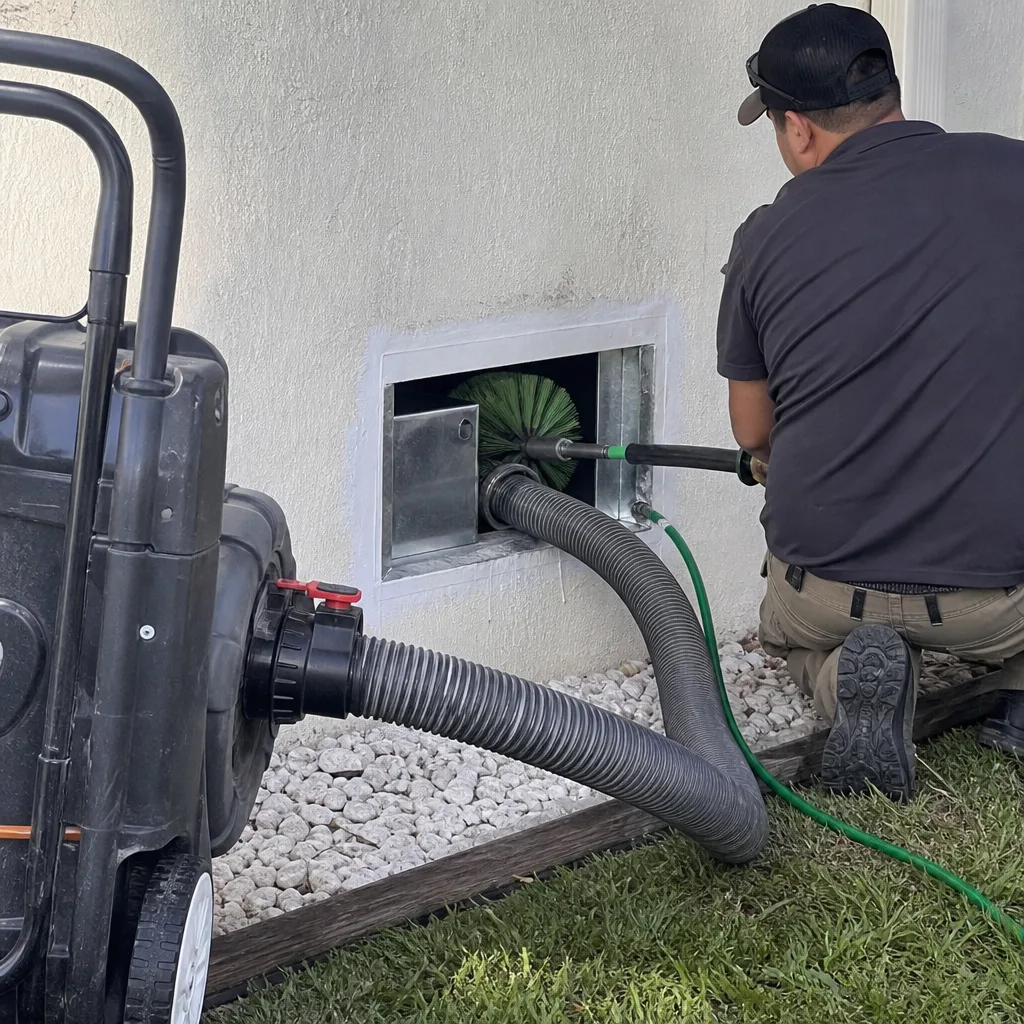
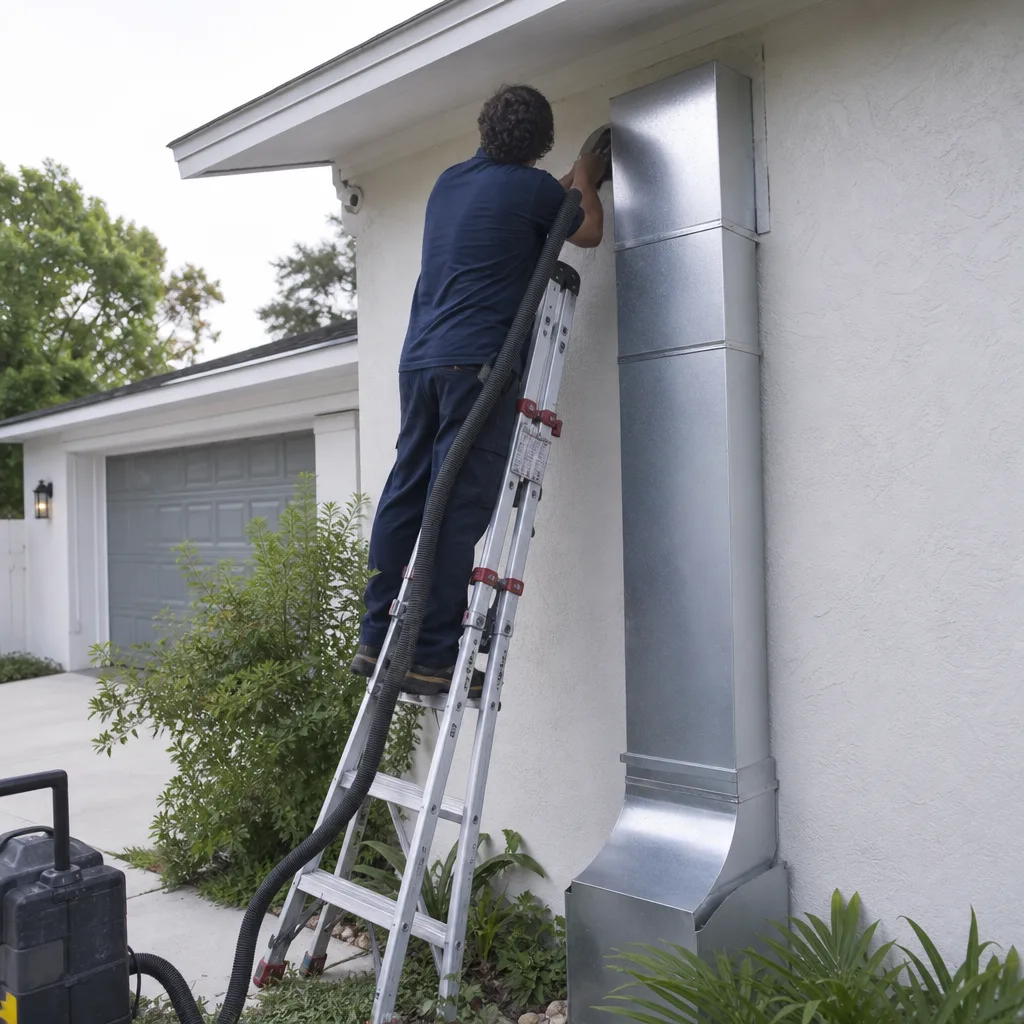
Yes, if it’s been more than a year since the dryer vent was last cleaned. Lint loads up inside the dryer duct, restricts airflow, makes the dryer run hotter, and creates a fire risk that has nothing to do with how clean your air ducts are. The two jobs use different tools and take different amounts of time, but doing them in one visit saves a second service call. Our Dryer Vent Cleaning in Tampa service pairs naturally with a duct cleaning on the same visit.
The Bottom Line
A real maintenance checklist for Tampa air ducts is monthly, seasonally aware, and based on observation, not equipment. The 15-minute walkthrough catches most problems while they’re small. The notebook log turns that walkthrough into a record you can act on. A professional cleaning resets the system every 2 to 4 years, and the right company does it with professional equipment, a written price before work starts, and proof of the clean-up when they’re done. If you’re looking for a Air Duct Cleaning in Tampa home service that works this way, we’ve been doing it since 2005. One phone call to (850) 738-9748 will get you a live person and a free estimate, with no obligation and no pressure. That’s the whole point of a checklist: know what’s happening in your home, and act when it tells you to.
Written by Paul Adeyemi, Owner at Mortons Air Duct Tampa, serving Tampa since 2005.
See the difference
 Before
 After
After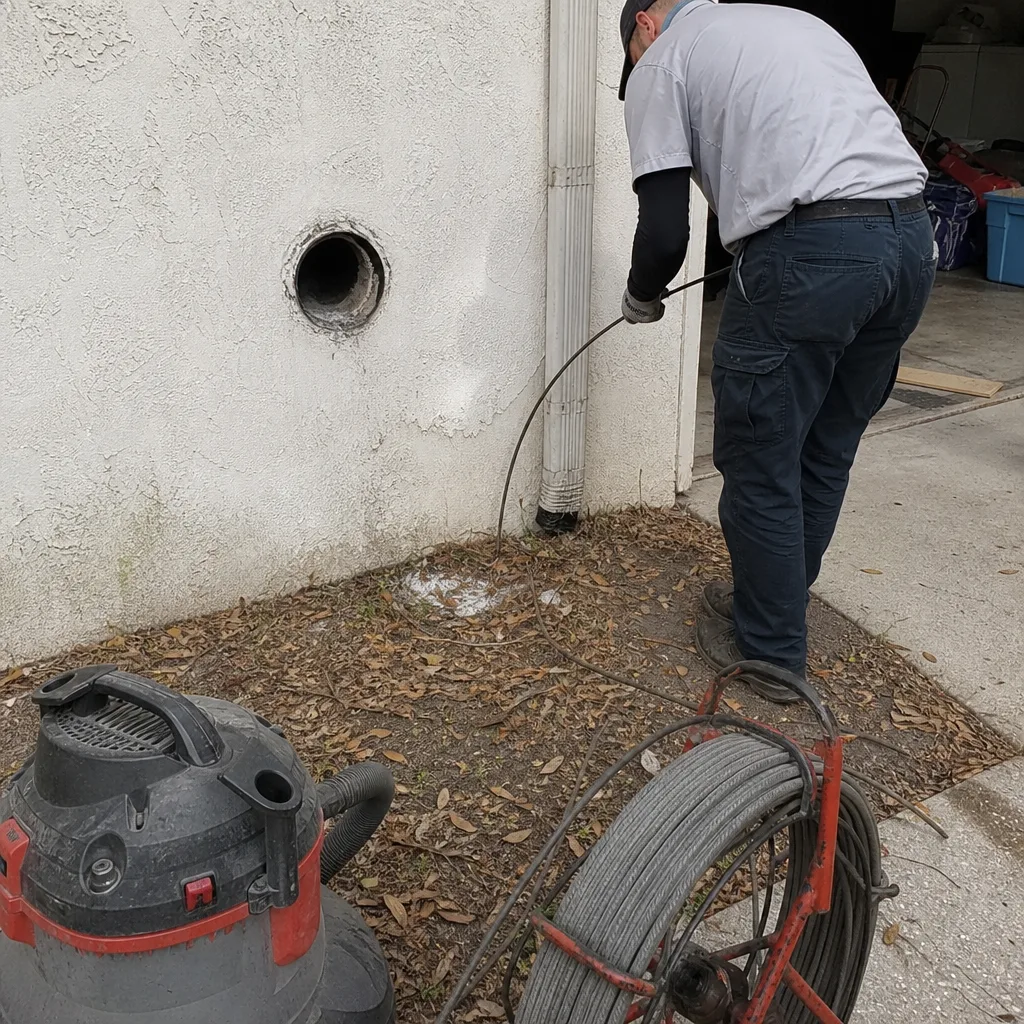 Before
 After
After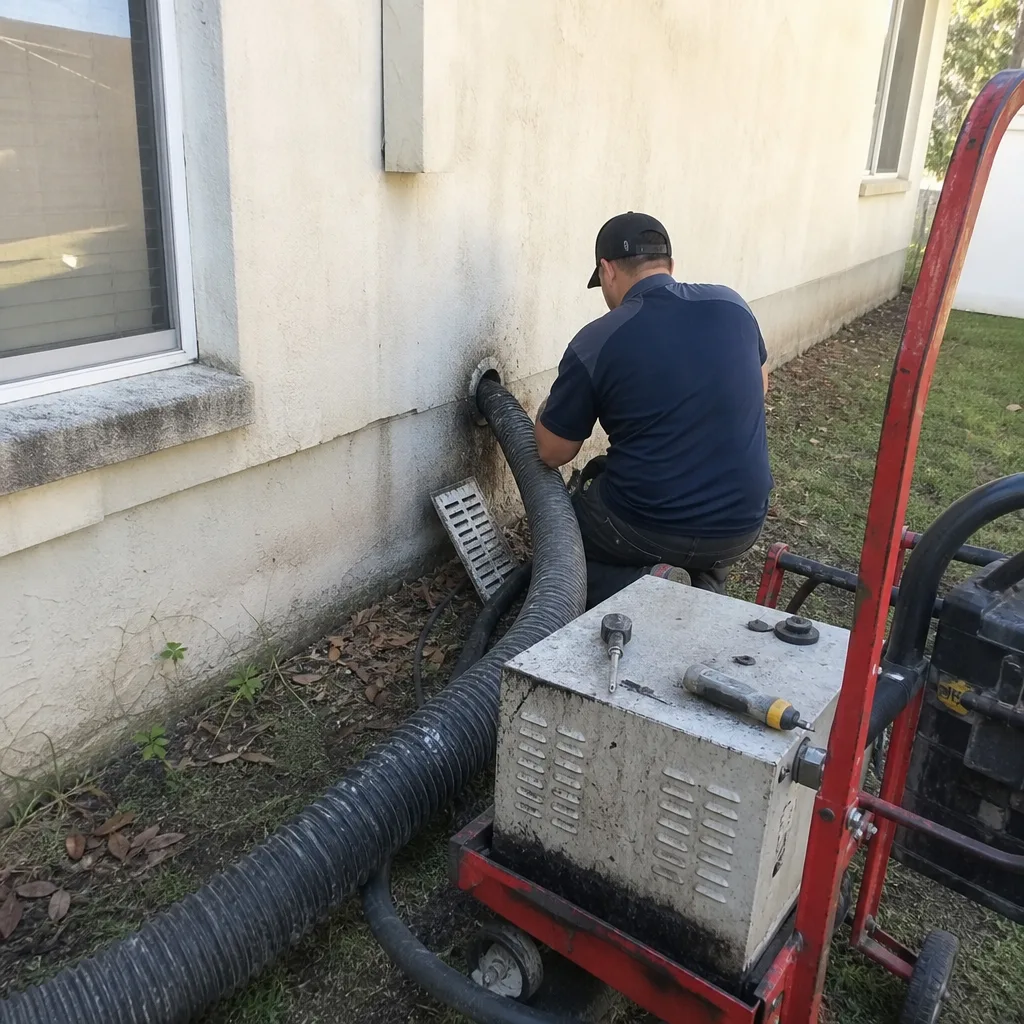 Before
 After
After